The Alternating Pressure Bed: Why It Matters and How It’s Changing Care Worldwide
Pressure ulcers, or bedsores, remain a persistent problem in hospitals, nursing homes, and home care worldwide. The alternating pressure bed isn’t just a fancy mattress—it’s a vital piece of medical technology designed to improve patient comfort, reduce wounds, and ultimately save healthcare costs. Understanding what these beds do, how they function, and their global impact is an eye-opener into innovation driven by both necessity and compassion.
Looking at the Bigger Picture: Why the Alternating Pressure Bed Has Global Relevance
About 10 to 15% of hospitalized patients develop pressure ulcers, according to estimates by the World Health Organization. Fragile populations in aging societies—from Europe to Asia—face serious risks without proper care technology. The UN also flags improving elderly care as a critical goal, and tools like the alternating pressure bed fit snugly into this narrative. The inevitable rise in chronic conditions worldwide, combined with stretched hospital capacities, raises a common challenge: how to prevent painful and costly wounds with reliable, scalable solutions.
But pressure ulcers aren’t just a rich-country worry. In low- and middle-income regions, post-disaster relief efforts often struggle with patient care logistics. An alternating pressure bed can improve outcomes even in far-flung clinics — a quiet hero in public health.
What Exactly Is an Alternating Pressure Bed?
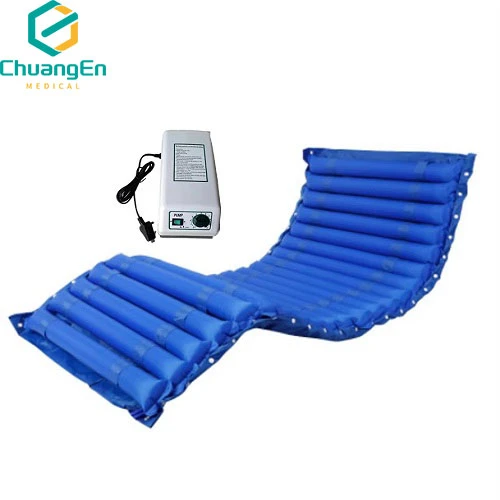
At its core, an alternating pressure bed is a specialty mattress system that periodically changes the pressure points under a patient’s body by inflating and deflating air cells in a programmed cycle. Think of it like a gentle, automated massage that redistributes your weight to improve blood flow and prevent skin breakdown. No complicated tech jargon here: it’s about science meeting comfort.
These beds are widely used in medical care settings for bedridden or immobile patients, making them invaluable in hospitals, long-term care facilities, and even at home for patients with chronic conditions. By addressing localized pressure, it helps reduce the incidence of pressure sores, which, in turn, cuts down on lengthy hospital stays and complicated wound treatments.
Core Components of an Effective Alternating Pressure Bed
1. Durable Air Cell Mattress
Constructed from medical-grade vinyl or polyurethane, these air cells must withstand daily inflation cycles without leaks—imagine the frustration of a constant pump failure overnight. Durability also means easier cleaning and infection control.
2. Reliable Air Pump System
The quietly humming heart of the bed. Many models feature adjustable pressure settings and cycle speeds tailored to individual patient needs. In fact, some units offer dual or multi-zone inflation to target higher risk areas.
3. User-Friendly Controls
Caregivers appreciate straightforward interfaces. Intuitive controls save time and reduce errors, especially in stressful healthcare environments. Some modern units come with alarms for low pressure or malfunction.
4. Portability & Ease of Setup
For home care or emergency use, the ability to quickly install or transport bed systems matters. Lightweight frames and compact pumps make a huge difference, particularly for NGOs or hospitals in challenging locations.
5. Cost-Effectiveness
Beyond the initial investment, ongoing maintenance and replacement parts factor into total cost. Models vary widely here, which brings us to our product specs below — a little unvarnished truth for decision-makers.
| Feature | Specification |
|---|---|
| Dimensions | 80” x 36” x 8” (standard mattress size) |
| Air Cells | 20–24 alternating air cells, heavy-duty vinyl |
| Pump Pressure Settings | 20–70 mmHg adjustable |
| Cycle Time | 6–12 minutes per rotation |
| Weight Capacity | Up to 350 lbs (160 kg) |
| Electrical Requirements | 110-240V AC, 50/60 Hz, with battery backup options |
How Alternating Pressure Beds Are Used Around the World
In wealthy healthcare systems — look at the US, Western Europe, Japan — these beds have become standard for immobile patients, especially in ICUs and elder care. But the story gets interesting in evolving economies or crises.
Consider post-disaster relief operations, where medical units deploy rapidly and have to care for prone patients in makeshift hospitals. Lightweight, durable alternating pressure beds help reduce patient suffering due to prolonged immobility.
In remote industrial zones, such as mining or offshore rigs, workers pushed to their physical limits might require medical care on site. Having pressure management beds reduces complications and costly medevacs.
Many NGOs supporting aging populations in Southeast Asia or Africa incorporate alternating pressure beds as part of comprehensive care solutions, improving dignity and reducing secondary infections.
Vendor Comparison: A Quick Look at Popular Brands
| Brand | Price Range | Key Features | Warranty & Support |
|---|---|---|---|
| ChuangEn Medical | $800 - $1,200 | Heavy-duty vinyl, adjustable cycle time, quiet pump | 2-year warranty, 24/7 online support |
| Drive Medical | $900 - $1,500 | Multi-zone pressure control, easy controls | 1-year warranty, offline & online support |
| Invacare | $1,200 - $1,800 | Durable, low noise, battery backup | 3-year warranty, responsive customer service |
Why the Alternating Pressure Bed Makes Long-Term Sense
From a practical standpoint, these beds reduce hospital stays and expensive wound care procedures—a solid economic argument that hospital admins appreciate. But beyond dollars and cents, there’s a quiet dignity restored to vulnerable patients who are spared the agony of pressure sores. Many healthcare pros say it feels like “giving patients a little freedom” in their body.
And when we talk sustainability: higher-quality beds often last years, and designs are improving to use recyclable materials or energy-efficient pumps. Safety is paramount; reliable pressure redistribution literally saves lives.
What’s Next? Innovations and Trends to Watch
Technology is shifting. Smart pressure beds with embedded sensors can now give real-time feedback to nurses or family caregivers, flagging at-risk areas before skin breaks down. We’re also seeing integration with digital health records — so clinical decisions get a boost from actual mattress data.
In greener thinking, manufacturers experiment with solar-powered pumps for off-grid locations, using bio-based plastics, and modular air cell designs for fast repairs. I suppose the future might look like beds that “know you” better than your doctor does — comforting but a bit eerie.
Challenges Western and Developing Systems Face
Cost remains a barrier for many. Even the most affordable alternating pressure bed isn’t cheap when budgets are tight. Plus, training and maintenance can get overlooked, which renders the best tech ineffective. Pumps fail, mattresses leak, and patients still suffer.
Innovative solutions? NGOs and vendors collaborate on rental or leasing models, and are pushing for standardization to lower costs. Remote technical support is booming, too—making sure these beds aren’t lonely gadgets in a dusty warehouse.
FAQs About Alternating Pressure Beds
- Q: How often should an alternating pressure bed cycle?
A: Typical cycles alternate every 6 to 12 minutes, depending on patient needs and pump settings. This timing balances effective pressure relief with comfort. - Q: Can these beds be used at home?
A: Absolutely. Many models are designed for home use, featuring easy setup and lower noise — a critical factor for patient rest. - Q: What maintenance is required?
A: Regular inspection of air cells, cleaning with approved disinfectants, and ensuring the pump is functioning properly are key. Professional checkups once a year are recommended. - Q: Are there contraindications?
A: While beneficial for most bedridden patients, those with unstable fractures or certain circulatory disorders might need alternative support. Consulting a healthcare professional is best. - Q: How do alternating pressure beds reduce healthcare costs?
A: By preventing pressure ulcers, they lower the need for wound treatment, reduce hospital stays, and avoid costly surgeries—saving institutions and families money long term.
Wrapping It Up: The Long-Term Value of Alternating Pressure Beds
Honestly, the alternating pressure bed is more than just healthcare equipment: it’s a quality-of-life enhancer. The technology, while seemingly simple, reflects a profound evolution in how care is delivered worldwide. If you want to see smart, effective pressure management in action, check out top providers like ChuangEn Medical. Investing in such beds is investing in patient dignity, innovation, and smarter healthcare.
Takeaway? Pressure ulcer prevention should not be an afterthought — and the alternating pressure bed is leading this quiet revolution.