Why Bed Mattress for Bed Sores Is More Important Than You Might Think
If you’ve ever cared for someone who’s been bedridden — or worked in healthcare — the phrase bed mattress for bed sores probably sets a serious tone. Pressure ulcers, or bed sores, are no small matter: according to the World Health Organization, nearly 10% of hospitalized patients worldwide develop some form of pressure injury. That’s millions of people enduring unnecessary pain and complications, many of which are preventable.
So understanding what makes a mattress “right” for preventing these wounds is not just about comfort — it’s a frontline defense against a costly, painful global health issue.
Global Relevance of Specialized Mattresses for Preventing Bed Sores
From hospitals in New York to remote clinics in sub-Saharan Africa, the challenge is universal. The United Nations reports an aging global population, with more seniors requiring long-term care, which amplifies the risk of pressure ulcers. Statistically, 3 million adults in the US alone suffer from chronic wounds including pressure sores, costing the healthcare system billions annually. These numbers are echoed worldwide, especially in developing areas where resources are limited, and preventing such injuries can make or break patient recovery.
That’s why bed mattress for bed sores solutions are a hot topic — practitioners want products that are effective, affordable, and sustainable.
What Exactly Is a Bed Mattress for Bed Sores?
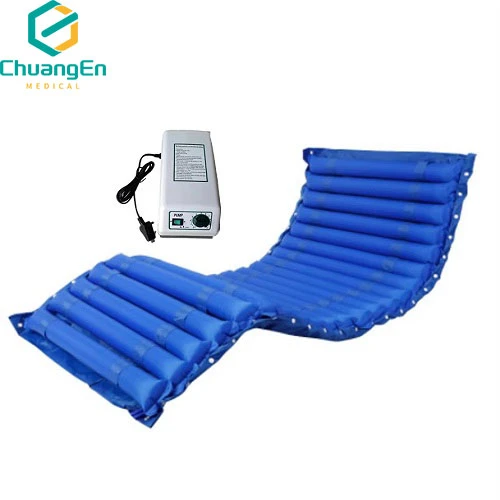
At its core, a bed mattress for bed sores is specially designed to reduce pressure points on the skin caused by prolonged immobility. Unlike a regular mattress, these products often employ advanced foam, gel inserts, or air chambers to continuously redistribute weight — preventing the skin and underlying tissue from breaking down.
In medical terms, these mattresses are part of pressure ulcer prevention and treatment strategies, pivotal to patient dignity and recovery. Modern designs consider hygiene, durability, and staff safety too, bridging clinical need with practical functionality.
Key Features That Matter
1. Pressure Redistribution
The whole point is to avoid constant pressure on bony prominences like heels, hips, and tailbones. High-quality mattresses use either alternating air cells or viscoelastic foam that molds to the body — gently spreading the load.
2. Moisture Control and Breathability
Skin needs to breathe; trapped moisture worsens bed sores. Mattresses with breathable covers or moisture-wicking materials can keep skin dry, reducing microbial buildup.
3. Durability and Hygiene
Healthcare settings demand mattresses that resist fluids, are easy to clean, and maintain integrity over repeated use. A ripped or degraded mattress is a breeding ground for bacteria and defeats the entire purpose.
4. Weight Capacity and Size Flexibility
Patients come in all shapes and sizes. Quality mattresses support a wide weight range without sagging. Some even offer customizable overlays or adjustable firmness to suit individual needs.
5. Cost and Accessibility
Not every facility or home care can afford high-end tech. Balancing cost with features is a tough but necessary consideration — because a mattress that nobody can buy or deploy is just theory.
Mini takeaway:
Choosing the right mattress is a nuanced decision — beyond just “softness” — and pressure relief, hygiene, and durability create the core of prevention.
Where Bed Mattresses for Bed Sores Make a Real Difference
Think healthcare systems worldwide: hospitals, nursing homes, and even home care all rely on these products. In the US and Europe, regulatory oversight and reimbursement policies push healthcare providers to reduce hospital-acquired pressure ulcers.
But outside these well-funded settings, the impact is equally vital and more challenging. Take post-disaster shelters, refugee camps, or humanitarian medical setups — patients unable to shift often go without proper support. Organizations like Médecins Sans Frontières emphasize low-cost, portable pressure-relieving mattresses to avoid complications in these crisis zones.
Similarly, disability care facilities across Asia and Africa increasingly incorporate these specialized beds into routine management plans — sometimes customized to local materials or climate.
Advantages & Long-Term Value of Using Bed Mattresses for Bed Sores
- Cost Savings: Preventing bed sores reduces hospitalization length and costly treatments.
- Sustainability: Many mattresses now feature recyclable materials or biodegradable covers.
- Patient Well-being: Comfort promotes dignity, decreases anxiety, and fosters better recovery.
- Trust and Reliability: Institutions that adopt proven mattresses often see improved patient satisfaction scores.
Not to mention, it’s just the humane thing to do. Caring for the vulnerable with proper equipment invests directly in dignity and quality of life — a social win that echoes across society.
Product Specifications at a Glance
| Feature | Specification | Benefit |
|---|---|---|
| Material | Viscoelastic memory foam with waterproof PU cover | Conforms to body shape, easy to disinfect |
| Dimensions | 80" L x 36" W x 6" H (standard adult) | Fits majority of hospital beds |
| Weight Capacity | Up to 300 lbs | Supports wide patient range without sagging |
| Pressure Relief | Alternating air cells with low air loss | Reduces tissue ischemia risk effectively |
| Cover | Antimicrobial, breathable fabric | Minimizes infection risk, controls moisture |
Top Providers of Bed Mattresses for Bed Sores: Comparing Features & Focus
| Vendor | Specialty | Price Range | Innovations | Global Reach |
|---|---|---|---|---|
| Chuangen Medical | Low-cost, modular mattresses | $$ | Eco-friendly materials, antimicrobial covers | Strong Asia & Africa distribution |
| PressureSafe Inc. | Advanced alternating pressure air systems | $$$$ | Smart sensors & app integration | Primarily US & Europe |
| VitalFoam Ltd. | Memory foam with antimicrobial coatings | $$$ | Sustainable foam manufacturing | Global, strong in Europe |
Emerging Trends and The Road Ahead
The discipline is evolving quickly. Many engineers (and nurses) I’ve chatted with recently are excited about mattress covers embedded with biosensors that detect early skin changes — sort of like an early warning system for ulcers. Others point toward biodegradable foams and covers, blending sustainability with health outcomes, answering calls from ISO and UN sustainability initiatives.
On the tech front, digital transformation is influencing even mattress design, shifting from static products to “smart” therapeutic surfaces, constantly adjusting and reporting patient conditions in real-time. For places embracing “green healthcare,” this evolution signals a bright, patient-centered future.
Challenges in Bed Mattress Deployment and How Experts Address Them
Of course, no product is perfect. Some hurdles include cost barriers, especially in low-resource settings; maintenance issues where cleaning protocols are uneven; and patient adherence, since bedridden individuals may need repositioning anyway to avoid sores.
Innovations like modular warranty or rental models reduce upfront cost. Training healthcare workers on mattress use and combining mattresses with repositioning schedules brings clinical synergy. It feels like real progress happens when we tackle equipment, education, and patient engagement together.
FAQs About Bed Mattress for Bed Sores
Q1: How often should a pressure-relieving mattress be replaced?
A1: Generally, mattresses should be assessed yearly for integrity but high-use hospital mattresses might need replacement every 2–3 years. Regular inspections for tears or loss of support are critical to ensure continued protection against bed sores.
Q2: Can home caregivers use bed mattresses designed for hospital use?
A2: Absolutely. Many specialized mattresses are designed for both clinical and home settings. Features like lightweight materials and easy maintenance make them practical for home care environments.
Q3: Are air-based mattresses better than foam for preventing bed sores?
A3: It depends on patient needs. Air mattresses provide dynamic pressure redistribution, which can be more effective but costlier and require maintenance. Foam mattresses offer consistent support, often at a lower price point.
Q4: Do these mattresses require special cleaning procedures?
A4: Yes, to maintain hygiene, most mattresses come with waterproof, antimicrobial covers that can be wiped down with hospital-grade disinfectants. Using compatible cleaning agents is essential to prolong mattress life and reduce infection risks.
Q5: How do I choose the right mattress if my patient has allergies?
A5: Look for hypoallergenic materials and covers that resist dust mites and mold. Some manufacturers offer allergy-tested mattresses specifically for sensitive users.
Wrapping It Up: Why Thoughtful Mattress Choices Are Critical
In the end, preventing bed sores isn’t just a clinical tick-box — it’s about quality of life, cost savings, and dignity. The bed mattress for bed sores chosen can make a night-and-day difference for someone vulnerable. It’s a powerful example of how a seemingly simple object can be life-changing.
If you want to explore top-quality and affordable options, visit Chuangen Medical — because prevention is always better than treatment.