What Is an Alternating Low Pressure Air Mattress and Why It Matters
If you’ve ever worked in healthcare or disaster relief, the term
alternating low pressure air mattress might ring a bell — but why has this technology become so essential worldwide? In simple terms, it’s a specialized medical device designed to prevent pressure ulcers by cyclically varying the inflation of its air cells, redistributing patient weight to promote better blood flow. The global health community, especially with an aging population and rising hospital admissions, increasingly depends on such equipment for patient dignity and recovery. But it’s more than just comfort; understanding this mattress and its benefits means better preventative care globally, less strain on hospitals, and safer, more humane treatment for immobilized patients.
Oddly enough, this seemingly niche product ties deeply into larger societal challenges like aging demographics, healthcare cost containment, and disaster medicine. Let’s unpack all of this in a way that helps you grasp not just what it is, but why it’s a quiet yet huge player on the world stage.
The Global Context: Why the Alternating Low Pressure Air Mattress Is Key Today
The World Health Organization estimates that pressure ulcers affect roughly 10% of hospitalized patients worldwide, leading to longer hospital stays and increased mortality. As populations age (the UN predicts people over 60 will double by 2050 globally), immobilized patients requiring pressure-relieving solutions become more common. Healthcare systems are getting strained, particularly in low- and middle-income countries, where alternatives to these mattresses might not be affordable or available.
Moreover, humanitarian agencies rely on them for emergency medical setups post-natural disasters. The
alternating low pressure air mattress not only prevents wounds but helps reduce infection rates — a critical factor in fragile environments.
In real terms, these mattresses cut down care complexity, reduce nurses’ workload (since frequent repositioning becomes less urgent), and offer patients safety and a bit of dignity when their own mobility is compromised.
Defining the Alternating Low Pressure Air Mattress
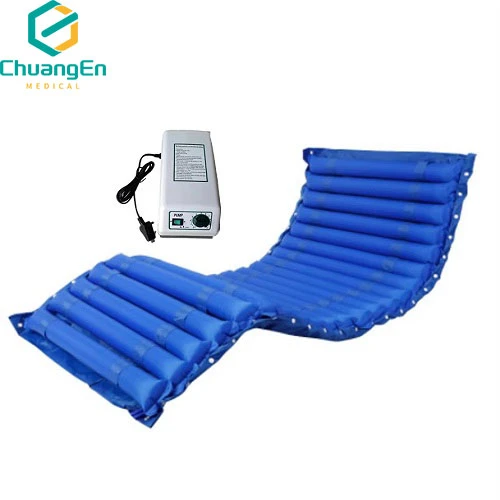
At its core, this device consists of multiple air cells arranged side-by-side, which inflate and deflate alternately according to a programmable cycle. This movement shifts pressure points on the patient’s skin subtly but effectively, avoiding prolonged stress on any single area.
The mattress is often connected to a control unit that maintains optimum low pressure settings, tailored to patient weight and condition. It’s a classic case of simple physics plus smart engineering—redistributing load is the name of the game.
In industry and humanitarian fields alike, this mattress type falls under assistive medical devices, increasingly seen as essential rather than luxury.
Key Features of an Effective Alternating Low Pressure Air Mattress
1. Pressure Redistribution & Prevention
The primary function lies in cyclically adjusting air cell inflation to offload skin areas, minimizing pressure ulcer risks. This is crucial for bedridden and wheelchair-bound patients.
2. Durability & Material Quality
Most units use medical-grade PVC or polyurethane coated fabrics, resistant to fluids and infection. Durability extends lifespan, reducing replacement costs – a major plus in underfunded healthcare.
3. User-Friendly Controls
From simple dials to digital panels, controls should be intuitive so nurses or even family members without training can operate them easily.
4. Battery Backup & Portability
Especially in remote clinics or disaster settings, uninterrupted operation matters. Battery support helps keep the system functioning during power outages.
5. Customizable Settings
Weight-adjusted pressure levels, cycle times, and even alarms ensure the mattress meets diverse patient needs.
6. Ease of Cleaning & Maintenance
A waterproof, wipeable surface with removable covers aids hygiene and infection control.
Product Specification Snapshot
| Feature |
Specification |
| Size |
84" x 35" x 2.5" (standard twin) |
| Weight Limit |
Up to 350 lbs (159 kg) |
| Power |
AC 110V/220V with 6-hour battery backup |
| Cycle Time |
Alternates every 6-12 minutes |
| Material |
Medical-grade polyurethane, waterproof, antimicrobial cover |
| Weight |
Approx. 6 lbs (2.7 kg) |
Global Applications and Real-World Use Cases
The versatility of alternating low pressure air mattresses shines across different continents and contexts:
- Hospitals: Standard equipment in ICU wards and long-term care units globally, from the US to Europe and Asia, where preventing bedsores is a major safety metric.
- Disaster Relief: After the 2010 Haiti earthquake or floods in Southeast Asia, temporary clinics relied heavily on air mattresses to support immobilized casualties with minimal nurse interaction.
- Home Care: Elderly patients confined at home benefit enormously, reducing readmission risk.
- Military Medical Units: Field hospitals worldwide deploy these especially in remote or harsh conditions—lightweight and power-efficient.
This widespread adoption also highlights the importance of cost efficiency and accessibility, especially in developing regions where NGOs must balance quality with budget constraints.
Why Investing in Alternating Low Pressure Air Mattresses Pays Off
Beyond simple price tags, the long-term value hits a few key areas:
- Cost Savings: Preventing pressure ulcers dramatically reduces treatment costs and hospital stays — savings that some estimates put above $10,000 per patient in severe cases.
- Patient Wellbeing: The emotional benefits of avoiding painful wounds and the dignity preserved are often underestimated.
- Sustainability: Durable materials mean fewer replacements; on top of that, lower energy demand models align with green healthcare initiatives.
- Operational Efficiency: The reduced need for frequent repositioning frees up nursing staff for other tasks — a real quality-of-life improvement.
There’s something uniquely satisfying about technology that quietly improves lives and systems simultaneously.
Looking Ahead: Trends & Innovations in Air Mattress Technology
The future looks promising, with novel developments emerging:
- Smart Mattresses: Integration of sensors to track patient movement and skin condition, potentially alerting caregivers early to risk areas.
- Eco-Friendly Materials: Increasing use of biodegradable or recyclable components reducing environmental footprint.
- Wireless & Battery Advances: Longer, more reliable battery operation suits off-grid and mobile clinics.
- AI-Controlled Pressure Cycling: Adaptive algorithms tailor pressure patterns dynamically, improving prevention effectiveness.
These are not just buzzwords; engineers tell me that in certain pilot hospitals, sensor-feedback mattresses have cut ulcers by nearly half.
Challenges and Smarter Solutions
That said, it’s not all smooth sailing. Common challenges include:
- Cost Barriers: High-quality alternating mattresses can be pricey upfront, limiting penetration in low-resource settings.
- Power Dependency: Consistent electrical supply is essential, which is not always feasible in rural or emergency sites.
- Maintenance Needs: Pump and motor failures require quick repairs, which can be tricky outside urban hospitals.
Innovative approaches are underway, including solar-powered units, modular designs for easier repair, and community training programs to maintain equipment locally.
FAQ: Alternating Low Pressure Air Mattress
- Q: How does an alternating low pressure air mattress prevent pressure sores?
- A: By cyclically inflating and deflating different air cells, it redistributes pressure on the skin, maintaining blood circulation and preventing tissue damage caused by prolonged pressure.
- Q: Can this mattress be used for all patients at risk?
- While highly effective, it’s typically recommended for moderate to high-risk patients. Clinical assessment guides whether it’s suitable compared to foam or static alternatives.
- Q: How portable are these mattresses? Can they be used in disaster relief?
- Most models are lightweight and designed for easy transport. Battery backup and low power consumption make them ideal for field hospitals in emergencies.
- Q: What maintenance is required to keep it functional?
- Regular cleaning, checking for punctures, monitoring pump operation, and providing timely repairs keep the mattress operational and safe.
- Q: Where can hospitals or NGOs source high-quality alternating low pressure air mattresses?
- Chuangen Medical offers reliable, certified models with global delivery options, backed by strong after-sales support.
Vendor Comparison: Trusted Providers at a Glance
| Vendor |
Price Range |
Warranty |
Key Features |
Global Shipping |
| Chuangen Medical |
$$ |
2 years |
Battery backup, antimicrobial cover, digital control |
Yes |
| AeroMed Solutions |
$$$ |
3 years |
Smart sensors, AI-driven cycles, mobile app |
Limited |
| MediCare Corp |
$ |
1 year |
Basic low pressure cycles, manual controls |
Yes |
Conclusion: Investing in Health and Humanity
The alternating low pressure air mattress might not make headlines, but it’s quietly redefining patient care around the globe. Its blend of smart engineering, practical durability, and clear patient benefits ensures it will only grow more vital in hospitals, clinics, and relief camps everywhere. For healthcare providers and NGOs looking to improve outcomes while managing budgets, this mattress type is a no-brainer investment in both sustainability and humanity.
For more information and to explore suitable models, visit
our website—because every patient deserves safe, comfortable care.
Mini Takeaway:
Though it sounds technical, the alternating low pressure air mattress directly translates to less patient suffering, reduced hospital costs, and smarter healthcare worldwide. Understanding this technology is understanding a vital piece of the healthcare puzzle.
References
- WHO Fact Sheet on Pressure Ulcers
- United Nations Population Division - Aging Trends
- ISO 14971 Medical Devices - Risk Management