What Is an Alternating Air Pressure Chair Cushion and Why It Matters
At first glance, a chair cushion might seem like one of those small, unglamorous pieces of equipment nobody pays much attention to—until you really need it. The alternating air pressure chair cushion is exactly that kind of unsung hero, designed to prevent pressure sores and increase comfort for people who spend long hours seated, whether due to disability, medical conditions, or job requirements. Globally, with aging populations and growing awareness of healthcare ergonomics, understanding these cushions is becoming more than just niche knowledge—it's vital for public health, rehabilitation, and occupational safety. By delving into what makes these cushions tick and how they fit into various industries and use cases, we not only appreciate technology but also its deep humanitarian impact.
Mini takeaway: Alternating air pressure chair cushions transform everyday sitting into a health-preserving act, especially as sedentary lifestyles and clinical needs rise worldwide.
Global Context: Why This Technology Catches Worldwide Attention
According to the World Health Organization, pressure ulcers affect millions globally, ranging from hospital patients to the elderly in care homes. The UN's demographic data points out that the number of people aged 65+ is expected to double by 2050, ramping up demand for better seating aids. Even industries outside healthcare—like long-haul trucking or office workplaces—face challenges from prolonged sitting. An ISO standard on pressure redistribution devices underlines a growing global focus on these innovations.
The problem is straightforward but stubborn: static pressure for extended periods impairs blood flow, leading to skin breakdown. Enter the alternating air pressure chair cushion—a technical yet elegant solution that enhances comfort, safety, and dignity across continents and contexts. I find it fascinating that such a simple-sounding device can address such a huge global health burden.
Mini takeaway: Globally, aging and sedentary trends demand smart solutions like alternating air pressure cushions to mitigate pressure ulcers and improve well-being.
Defining the Alternating Air Pressure Chair Cushion
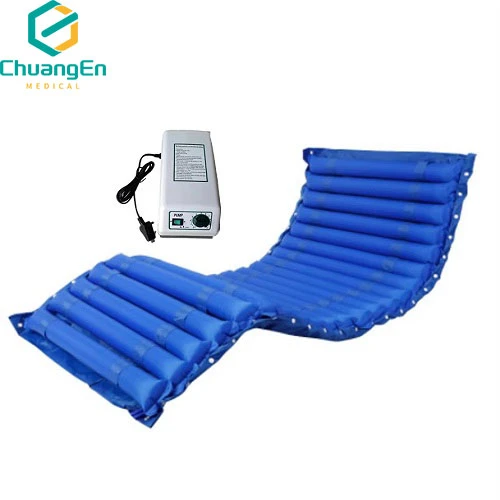
Simply put, an alternating air pressure chair cushion is a seated support system that cyclically inflates and deflates interconnected air cells to shift pressure points beneath the user. This dynamic adjustment mimics the body’s natural shifting and encourages sustained blood circulation, preventing the risks associated with continuous pressure. While traditional cushions offer static comfort, these cushions actively work to ward off tissue damage.
In modern healthcare and industrial settings, the cushion's design aligns with both medical best practices and ergonomic principles. It’s a perfect example of how engineering meets compassion, blending technology and human-centric design.
Core Components and What Makes Them Work
1. Durable Air Cell Construction
The heart of these cushions lies in their specialized air cells, usually made from medical-grade polyurethane or other elastomers. They must flex repeatedly without failure—many engineers say the material selection is 50% of the product’s lifespan. Thorough testing under ISO durability standards is common. It’s the difference between a cushion you trust for years and one that deflates at the worst moment.
2. Intelligent Pump Systems
Pumps inflate and deflate the air cells, usually alternating on a cyclical timer. Quiet operation is preferable (no one wants a buzzing motor disrupting peace). Some newer models incorporate smart sensors to detect user weight and adjust pressure accordingly, enhancing personalization.
3. Power Efficiency and Portability
Designers aim for low power consumption, sometimes integrating rechargeable batteries for mobility. In hospitals or homes without easy access to power points, this is crucial. Oddly enough, this focus on battery life also opens doors for applications in remote areas or emergency relief.
4. Cover and Hygiene
As these cushions sit directly under skin, covers often feature antimicrobial, waterproof, and breathable fabrics. Easy removal and cleaning are essential to maintain hygiene and prolong product life.
5. User-Friendly Controls
Interfaces are becoming more intuitive—touch panels or remote controls simplify usage for both caregivers and users. The best models balance tech sophistication with simplicity.
| Feature | Specification | Notes |
|---|---|---|
| Dimensions | 45cm x 45cm x 8cm | Fits standard office and wheelchair seats |
| Air cell material | Medical-grade polyurethane | Durable, hypoallergenic |
| Pump cycle interval | Every 10 minutes | Adjustable on advanced models |
| Power source | AC adapter / Rechargeable Battery (optional) | Portable models available |
| Cover material | Antimicrobial nylon blend | Waterproof and washable |
Mini takeaway: Every component—from air cells to covers—needs to perform reliably under stress, with comfort and hygiene front and center.
Practical Uses Around the World
From modern hospitals in Europe to disaster relief shelters in Asia, the alternating air pressure chair cushion finds diverse applications. In developed countries, rehabilitation centers and aged care facilities widely deploy them to reduce bedsores and improve patient dignity. Oddly enough, these cushions are also gaining traction in sectors like trucking and office workspaces—anyone stuck in a chair for hours benefits.
Even in remote or disaster zones, portability and power efficiency let NGOs provide these cushions to displaced populations, mitigating health risks during prolonged sitting in temporary camps. The alternating air pressure chair cushion is, in many ways, a small piece of equipment driving big change.
Mini takeaway: Accessibility and innovation help this technology cross borders and industries, proving its value everywhere from homes to humanitarian aid.
Why Invest in Alternating Air Pressure Chair Cushions?
- Medical efficacy: Reduces incidence of pressure ulcers, saving healthcare costs and improving outcomes.
- Comfort and dignity: Users experience less discomfort and greater autonomy.
- Sustainability: Long-lasting materials reduce waste and frequent replacements.
- Cost efficiency: Though initially pricier than foam cushions, long-term savings through fewer treatments and replacements are substantial.
- Reliability: Designed for continuous use, often with warranties backing years of service.
Mini takeaway: You get more than a cushion—you get an investment in care, comfort, and sustainability.
Looking Ahead: Innovations on the Horizon
Frankly, the future looks exciting. Smart cushions packed with IoT sensors are being tested, enabling data-driven pressure management, remote monitoring by caregivers, and integration with patient health records. Advances in lightweight, biodegradable materials could make these cushions greener, addressing waste concerns. Plus, solar-powered or kinetic-energy-harvesting pumps could enhance off-grid usability.
The trend toward digital transformation in healthcare suggests these cushions won’t just sit quietly beneath users—they’ll be active participants in personalized health strategies.
Facing the Hurdles and Tackling Them
Challenges remain. The cost barrier still limits some accessibility, especially in low-income regions. Noise from pumps, while reduced, can be a nuisance in quiet environments. Some users find the sensation of alternating air unfamiliar or even unsettling initially. Plus, repairs can be tricky if components are sealed or proprietary.
Innovative solutions include modular designs for easier maintenance, user training programs, and subsidies or bulk procurement by health organizations to bring prices down. Community-based repair hubs and open standards are slowly making their way into this market.
FAQ: Common Questions About Alternating Air Pressure Chair Cushions
- How does the alternating air pressure prevent pressure sores?
- By cyclically inflating and deflating air cells, these cushions shift pressure points under the body, promoting blood flow and reducing tissue ischemia—key factors in preventing sores.
- Can I use an alternating air pressure cushion with my existing wheelchair?
- Most cushions are designed to fit standard wheelchair seats. Measuring your chair and checking the cushion dimensions helps ensure compatibility. Some manufacturers offer customizable sizes.
- How long does a typical cushion last?
- With proper care, the average lifespan ranges between 2 to 5 years, depending on usage and maintenance of pumps and covers.
- Are these cushions noisy?
- Modern pumps operate relatively quietly, though a soft humming may be audible. Some models include noise dampening features suitable for sensitive environments.
- Is it easy to clean the cushion?
- Most cushions have removable, washable covers made of antimicrobial fabric, ensuring hygiene. The internal bladder usually requires wiping down but not washing.
Wrapping Up: The Value of Smart Seating Solutions
In the end, alternating air pressure chair cushions embody more than advanced engineering—they represent a thoughtful response to real human needs. Their ability to protect skin integrity, enhance comfort, and improve lives cannot be overstated. Whether you're a healthcare provider, an individual with mobility challenges, or a logistics manager concerned with worker well-being, these cushions offer lasting value.
Curious to know more or explore options? Visit our website: https://www.chuangenmedical.com where you can find tailored solutions and expert advice.
| Vendor | Price Range (USD) | Warranty | Special Features | Best For |
|---|---|---|---|---|
| ChuangEn Medical | $250 - $400 | 2 years | Smart pressure sensors, rechargeable battery | Hospitals, home care |
| MedAir Solutions | $300 - $500 | 3 years | Quiet motor, adjustable cycle timing | Long-term care, rehab centers |
| ComfortTech | $180 - $350 | 1 year | Basic air cycling, lightweight | Office use, home users |
Mini takeaway: Choosing the right vendor depends on needs—invest in features and durability if healthcare-grade performance is essential.
References
- World Health Organization, "Prevention and Treatment of Pressure Ulcers," 2019.
- United Nations, "World Population Ageing Report," 2022.
- International Organization for Standardization (ISO), "Medical devices - Pressure redistribution devices," ISO 16840-2:2014.