Understanding the Importance of the Alternating Pressure Pad Mattress
If you’ve ever had to spend significant time lying in bed—whether due to surgery, injury, or chronic illness—you probably realize how crucial comfort and skin health are. Enter the alternating pressure pad mattress, a device designed to reduce pressure-related injuries such as bedsores (pressure ulcers) by regularly redistributing pressure under the body.
Globally, millions of patients and elderly individuals face risks associated with prolonged immobility. The World Health Organization highlights pressure ulcers as a significant healthcare burden, affecting quality of life and increasing medical costs. Understanding alternating pressure pad mattresses isn’t just for hospital staff or caregivers; it’s part of a global push toward better patient care and dignity.
Mini takeaway: Alternating pressure pad mattresses play a quiet but vital role globally in preventing painful, costly complications for immobile individuals.
The Global Context: Why this Technology Matters Now More Than Ever
Roughly 15% of hospitalized patients worldwide develop pressure ulcers during their stay, according to estimates by the International Agency for Research on Cancer and supported by the UN’s health data initiatives. With aging populations rising fast in regions like Europe, North America, and parts of Asia, the challenge of maintaining skin integrity in bed-bound patients is intensifying.
Moreover, humanitarian crises—think natural disasters or large-scale displacement—compound this issue. People confined to temporary or restricted spaces are vulnerable to skin breakdown without proper care surfaces. That’s where alternating pressure pad mattresses become not just useful, but essential lifelines.
Mini takeaway: Worldwide demographics and healthcare challenges are driving increased demand for pressure-relieving mattress technology.
What Exactly is an Alternating Pressure Pad Mattress?
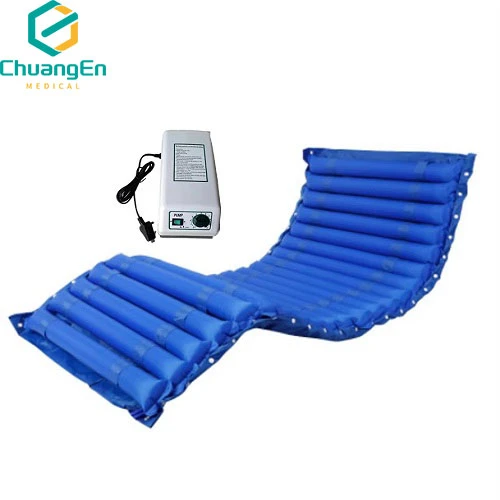
Put simply, an alternating pressure pad mattress is a specialized mattress system containing multiple air cells that inflate and deflate cyclically. This “alternation” changes pressure points regularly, promoting blood circulation and minimizing prolonged pressure on any one part of the body. Rather than a static surface, you have essentially a dynamic, automated weight-shifting mattress.
Beyond hospitals, these mattresses are also commonly used in nursing homes, long-term care facilities, and home care situations. It bridges patient comfort with a technical design that responds to real human needs—simple but high impact.
Core Components That Make These Mattresses Tick
1. Durability and Material Quality
Manufacturers generally use medical-grade, PVC or polyurethane materials for the pads. The goal here is avoiding leaks while ensuring cleanliness. It’s surprising how a small puncture or wear can disrupt therapy, so materials undergo rigorous testing to stand up to demands.
2. Pressure Control Mechanism
The key feature is a reliable pump and valve system that manages air flow to air cells. Many modern systems include multiple pressure settings to customize for weight, medical condition, and patient sensitivity.
3. Ease of Cleaning and Maintenance
Because infections pose big risks in medical settings, the mattress covers are often waterproof, antimicrobial, and designed for quick wipe-down or removal.
4. Portability and Power Options
Some units are bulky but hospital-grade, while portable versions with rechargeable batteries are made for home care or on-the-go use, useful even in field hospitals or disaster zones.
5. User Interface and Alerts
Advanced systems have control panels with alarms indicating low pressure, power failure, or malfunctions, ensuring caregivers can act fast.
Product Specification Table
| Feature | Typical Spec | Benefit |
|---|---|---|
| Air Cell Count | 20-25 cells | Optimal pressure distribution |
| Pressure Range | 20-70 mmHg adjustable | Customizable to patient needs |
| Pump Noise Level | Quiet for restful sleep | |
| Weight Capacity | Up to 350 lbs (160 kg) | Supports wide patient range |
| Power Supply | AC adapter + optional battery | Uninterrupted operation even during outages |
Where Are These Mattresses Used Around the World?
In the US and Europe, hospitals and elder care homes embrace alternating pressure mattresses as standard preventive care. But oddly enough, their impact reaches far beyond cushy wards. In post-disaster relief operations—such as after earthquakes or floods in Asia or Africa—charity organizations deploy these mattresses in field hospitals to reduce secondary complications.
Remote industrial zones, like mining sites in South America or Arctic outposts, also rely on these mattresses for workforce health. Even home care patients, particularly those with spinal injuries or advanced age, benefit hugely from a mattress that does the work of redistributing pressure without constant repositioning by caregivers.
Of course, you won’t find these in every corner of the world just yet — infrastructure, cost, and lack of awareness still limit access in many developing regions.
Mini takeaway: The alternating pressure pad mattress stretches across sectors and continents, quietly improving care where it’s needed most.
Why Invest in an Alternating Pressure Pad Mattress? Worth the Long-Term Value
From a practical viewpoint, these mattresses prevent costly pressure ulcers that, if untreated, can lead to infections and even sepsis—a genuine risk. That’s a real dollar-and-cents story hospitals are keeping an eye on.
Socially and emotionally, we often underestimate how dignity in care impacts patient recovery. Comfort and freedom from pain bring peace of mind. Caregivers, too, find relief when a mattress system eases the burden of frequent turning schedules.
Environmentally, many manufacturers now incorporate recyclable materials and power-efficient pumps, tying into the global sustainability push—yet another plus.
Upcoming Innovations and Trends in Pressure Mattress Technology
Looking ahead, smart mattresses integrated with IoT sensors are on the rise. These systems monitor patient movement and skin temperature in real time, alerting staff to early signs of pressure damage. Additionally, more sustainable, bio-based materials are entering the mix, responding to both hospital procurement policies and patients’ environmental concerns.
The integration of AI to adjust pressure cycles personalized per patient’s condition is still somewhat experimental but feels like the inevitable next step.
Challenges in the Field and How Experts Are Tackling Them
For all their benefits, these mattresses aren’t perfect. Some challenges include:
- Cost: High upfront price can deter facilities with limited budgets.
- Complexity: Users sometimes find settings confusing.
- Maintenance: Pumps and valves require upkeep.
- Energy Dependency: Power outages can interrupt function without backups.
To solve this, innovation focuses on more affordable models, better user interfaces, self-check diagnostics, and battery backups. Training programs and partnership models supporting NGOs also improve accessibility and knowledge.
Vendor Comparison Snapshot
| Vendor | Price Range (USD) | Key Feature | Warranty | Best Suited For |
|---|---|---|---|---|
| Chuang’en Medical | $400 - $850 | Durable PVC, adjustable cycles | 2 years | Hospitals & Home Care |
| AirTech Solutions | $600 - $1200 | IoT-enabled monitoring | 3 years | Advanced Care Facilities |
| MedEase | $350 - $700 | Battery-powered, lightweight | 1 year | Home Care & Travel |
FAQ: Common Questions About Alternating Pressure Pad Mattresses
Q1: How often should the alternating pressure pad mattress cycle to be effective?
A1: Typically, the mattress cycles air pressure every 6 to 12 minutes, enough to shift pressure points and improve blood flow without disturbing patient rest.
Q2: Can these mattresses be used for all patients at risk of pressure ulcers?
A2: While highly beneficial, they’re best combined with other care practices like proper nutrition and regular repositioning. They may not be suitable for patients with certain contraindications; always consult healthcare professionals.
Q3: What maintenance is required to keep the system reliable?
A3: Simple steps like regular cleaning, checking for leaks, and ensuring the pump operates smoothly can extend mattress life. Many come with manuals that guide routine checks.
Q4: Are alternating pressure pad mattresses covered by health insurance?
A4: Coverage varies by country and insurance plan. Some plans reimburse as durable medical equipment if prescribed by a healthcare provider.
Wrapping It Up: Why Choose an Alternating Pressure Pad Mattress?
In the end, the alternating pressure pad mattress is more than just a fancy air mattress. It’s a care tool rooted in improving patient outcomes globally—by preventing painful ulcers, reducing hospital stays, and bringing dignity back to long-term bed rest.
If you’re in healthcare, caregiver support, or even home care, exploring these mattresses is a step toward smarter, kinder care. Considering the innovation happening and the growing need worldwide, it feels like good timing to invest in better pressure management solutions.
Want to explore the full range of high-quality options? Visit our website for more details and professional guidance.