Why a Twin Air Mattress for Hospital Bed Matters Globally
If you ever spent time in a hospital or cared for someone who did, you know that comfort and prevention of complications like bedsores make a world of difference. Enter the twin air mattress for hospital bed — a modest innovation with a major global impact. These specialized mattresses are designed to enhance patient comfort, reduce pressure ulcers, and improve recovery outcomes. Globally, with aging populations and rising chronic conditions, hospitals and care centers face immense pressure to provide quality care at scale. According to the World Health Organization, pressure ulcers affect roughly 10%-15% of hospitalized patients worldwide — a staggering and preventable figure. Products like air mattresses tailored for hospital beds address this by dynamically redistributing pressure and promoting circulation. Put simply: understanding—and investing in—these mattresses isn’t just about comfort. It’s about patient dignity, reducing healthcare costs, and boosting clinical outcomes worldwide.A Quick Dive: What Is a Twin Air Mattress for Hospital Bed?
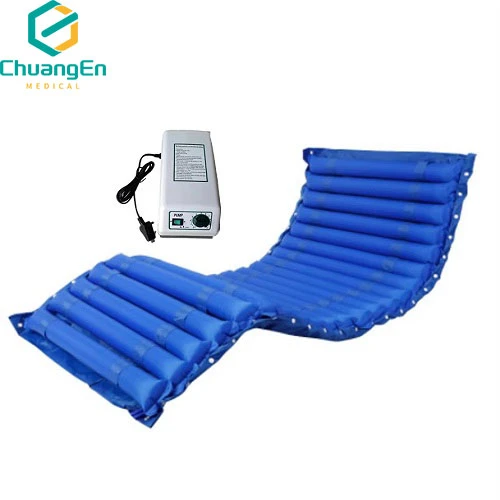
At its core, a twin air mattress for hospital bed is an inflatable mattress designed to fit the standard twin-size hospital bed frame. Unlike traditional foam mattresses, these incorporate air cells or chambers that alternately inflate and deflate, adjusting the pressure on the patient's body. This innovation is especially vital for preventing pressure ulcers — those terribly painful skin and tissue injuries caused by prolonged pressure. The mattress’s air cells work in cycles to gently shift pressure points, reducing risk. In modern healthcare and humanitarian contexts — be it a bustling urban hospital or a remote emergency relief tent — these mattresses combine portability with therapeutic care. Oddly enough, in disaster zones, they provide both physical relief and a psychological sense of normalcy during chaos.Core Components That Make a Difference
1. Durability and Material Quality
These mattresses use medical-grade, puncture-resistant PVC or polyurethane, ensuring longevity despite repeated inflation cycles and sanitation routines. Some even boast antimicrobial coatings to combat hospital-acquired infections.2. Pressure Redistribution Technology
Modern designs feature alternating air cells that inflate and deflate in cycles, mimicking a nurse’s repositioning. This crucial tech actively prevents ulcers by avoiding constant pressure on the same skin spots.3. Ease of Use and Portability
Many models come with lightweight pumps and compact storage bags — a blessing in utilizing them for home care or field hospitals where space and power can be limited.4. Cost Efficiency
While initial price points vary, the long-term reduction in patient complications often leads to significant healthcare savings, offsetting costs through fewer treatments and shorter stays.5. Compatibility with Hospital Beds
A good air mattress will seamlessly fit hospital frames and accessory rails — protective covers, side rails, and sensors — preserving safety and usability.6. Customizable Pressure Settings
Patient comfort differs widely, so adjustable pressure controls help tailor firm or soft support based on individual needs, body weight, or condition severity.Where Around the Globe Are They Used?
The twin air mattress for hospital bed might seem like a niche product, but its reach extends broadly: - Hospitals and Clinics: From urban centers in North America to provincial hospitals in Southeast Asia, these mattresses are common standard equipment to improve nursing care quality. - Home Healthcare: Aging populations in Europe and Japan increasingly rely on portable air mattresses for long-term home patient care. - Post-disaster Relief: Emergency tents set up after earthquakes or floods in places like Haiti or Nepal often include air mattresses for pressure care in cramped conditions. - Military and Remote Sites: Field hospitals and remote industrial facilities use these mattresses for their light weight, ease of sanitation, and therapeutic benefits. For example, after the 2015 Nepal earthquake, aid organizations distributed air mattresses to prevent pressure ulcers in temporary shelters. It wasn’t just a comfort upgrade but a critical medical necessity in a system stretched thin.Advantages & Long-Term Value of Using Twin Air Mattresses
- Clinical Benefits: Substantially lower risk of bedsores, infections, and related complications. - Cost Savings: Though pricier upfront than foam, the reduction in patient complications and associated treatment savings is well documented. - Emotional and Social Impact: Patients report improved comfort and well-being, which supports faster healing and dignity. - Sustainability: Many newer models use recyclable materials or energy-efficient pumps. - Reliability: A good air mattress can last years of continuous use, performing consistently with minimal maintenance. Healthcare providers often say it’s like having an extra “nurse’s hand” cycling through patient repositioning round the clock.Future Innovations in Twin Air Mattresses
We’re witnessing exciting trends shaping the next generation: - Smart Mattresses: Integrated sensors monitor pressure and patient movement, adjusting inflation automatically. - Eco-Friendly Materials: Innovations in biodegradable and recycled fabrics reduce hospital waste. - Battery-Operated Pumps: Enhancing portability, especially in off-grid or disaster relief situations. - Integration with Hospital IT: Data from the mattress feeds into electronic health records to track patient condition in real time. These shifts mark an era where patient comfort and data-driven care converge — oddly futuristic for something as “simple” as a mattress.Challenges & Solutions
Even with benefits, some challenges persist: - Initial Cost Barriers: Facilities in low-income regions struggle to invest upfront. - Power Dependence: Pump failures or outages risk loss of pressure cycling. - Cleaning & Sanitation: Reuse between patients demands rigorous protocols. Solutions: - Innovative financing and leasing models make purchase more accessible. - Battery backups and manual override pumps ensure reliability. - Antimicrobial covers and faster drying materials improve hygiene. Manufacturers and providers are actively addressing these through R&D and targeted pilot programs.Product Specification Table
| Specification | Typical Feature |
|---|---|
| Size | 38" x 80" (Standard Twin Hospital Bed) |
| Material | Medical-grade PVC with antimicrobial coating |
| Pump Type | Electric alternating pressure pump, battery-supported |
| Pressure Settings | Adjustable: 20–50 mmHg |
| Weight Capacity | Up to 350 lbs (160 kg) |
| Warranty | 3 years |
Vendor Comparison
| Vendor | Price Range | Pump Technology | Material Quality | Warranty |
|---|---|---|---|---|
| ChuangEn Medical | $250 - $350 | Alternating pressure, battery backup | Medical-grade, antibacterial | 3 years |
| MediAir Solutions | $300 - $400 | Alternating pressure, manual override | Durable PVC | 2 years |
| CareAir Products | $220 - $320 | Continuous low pressure | Polyurethane blend | 1.5 years |
Common Questions About Twin Air Mattresses for Hospital Beds
Q: How does a twin air mattress help prevent bedsores?
A: The mattress uses alternating inflation cycles among air cells, which gently shifts pressure from one part of the body to another. This constant change reduces prolonged compression on skin and tissue, which is the main cause of pressure ulcers.
Q: Can I use these mattresses at home for long-term care?
A: Absolutely. Many air mattresses designed for hospital use are portable and user-friendly enough for home healthcare settings. They improve comfort and reduce injury risk, especially for individuals with limited mobility.
Q: What happens if the pump fails or loses power?
A: Most models include battery backup or manual pressure maintenance options to ensure continuous support. It’s crucial, however, to check the device regularly and have contingency plans during outages.
Q: Are these mattresses easy to clean and sanitize?
A: Yes, medical-grade materials resist fluid penetration and can be wiped with hospital-grade disinfectants. Many designs also include removable, washable covers for added hygiene.
Q: How durable are twin air mattresses in high-use hospital environments?
A: With proper care, they typically last 3-5 years. Durability depends on material quality and maintenance routines. Antimicrobial coatings and puncture-resistant layers extend lifespan.