Understanding the Air Bed for Hospital Bed: A Lifesaver in Healthcare Settings
In the realm of patient care, comfort and safety are not just buzzwords—they’re essentials. Air beds for hospital beds might seem like a simple accessory or a luxury, but they hold critical importance worldwide. From preventing pressure ulcers to adapting quickly in emergency medical situations, learning about these specialized beds helps healthcare providers elevate patient care standards efficiently and compassionately. So, why is the air bed for hospital bed gaining global attention? Simply put: it’s about saving lives, reducing complications, and improving recovery.
Global Context: Why Air Beds Matter Now More Than Ever
Did you know, according to the World Health Organization (WHO), pressure ulcers (bedsores) affect approximately 10-15% of hospitalized patients worldwide? In the United States alone, pressure sores contribute to increased treatment costs and longer stays, with an estimated annual cost of billions USD. Meanwhile, in developing regions or disaster zones, hospitals often struggle with limited resources and basic equipment to keep patients comfortable and safe.
Introducing air beds for hospital beds offers a modern solution to these challenges. They improve patient outcomes by evenly distributing body weight, enhancing circulation and lowering pressure on risk-prone areas. This translates not just into clinical benefits but also into huge economic savings and better quality of life for patients.
Interestingly, ISO standards for medical mattresses and support surfaces have increasingly emphasized pressure redistribution and durability. This means that innovations in air bed technologies aren’t happening in isolation—they’re part of a coordinated global effort to improve healthcare infrastructure efficiently.
Mini Takeaway:
- Pressure-related wounds affect millions globally, increasing costs and suffering.
- Air beds address these issues by improving patient care and reducing complications.
- Global standards and data reinforce the growing need for quality air bed solutions.
What Exactly Is an Air Bed for Hospital Bed?
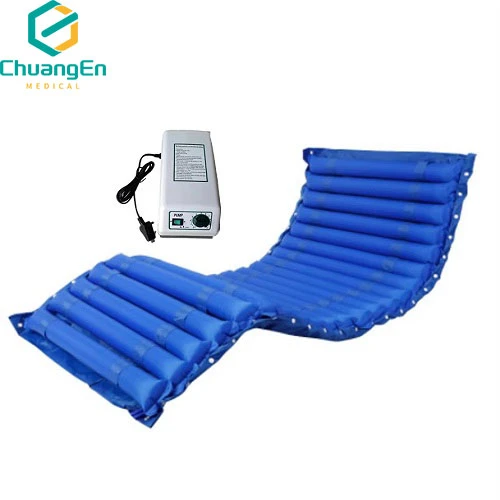
Put simply, an air bed for hospital bed is a mattress system that uses inflated air cells or chambers to support patients rather than traditional foam or springs alone. These air cells can be static or dynamic, adjusting pressure automatically or manually to redistribute weight and reduce stress points. This technology is especially valuable for patients who are bedridden for long periods, at risk of bedsores or require extra comfort.
These specialized beds are typically connected to an electric pump that controls airflow, responding to different weight distributions and movements, creating a softer and more adaptive sleeping surface than standard hospital mattresses. Beyond hospitals, such beds are vital in long-term care facilities, emergency ambulances, and even home healthcare settings.
Mini Takeaway:
- Air bed for hospital bed = dynamic support with air-filled chambers.
- They reduce pressure, increase comfort, and adapt to patient’s needs.
- Used broadly across healthcare sectors - from acute care to home use.
Core Components of Air Beds That Make a Difference
1. Pressure Redistribution Technology
This is the heart of the system. By inflating and deflating air cells in cycles or zones, these beds reduce continuous pressure on vulnerable skin areas. Some models have sensors that detect patient movement and adjust accordingly, which means less manual intervention for nurses.
2. Durability and Hygiene
Hospital environments demand frequent cleaning and resistance to wear. High-grade vinyl materials, antimicrobial coatings, and easy-to-disinfect surfaces are common to ensure hygiene standards meet infection control protocols.
3. Portability & Weight
Some air beds for hospital use are designed to be lightweight and foldable for quick deployment in emergency situations or home care. It’s a balance: sturdy enough to support adults yet flexible to move or transport.
4. Power and Backup Systems
Since pumps must operate continuously, beds often feature quiet, energy-efficient motors and battery backups to maintain inflation during power outages—critical in hospitals and field clinics.
5. User-Friendly Controls
Ease of use for healthcare workers is vital. Many units include simple touchpads or remote controls with preset modes for different patient needs.
Mini Takeaway:
- Pressure redistribution is key to preventing complications.
- Durability and hygiene meet medical safety standards.
- Portability and power backup enhance real-world usability.
How Air Beds Play a Vital Role Worldwide
Across continents and settings, the applications of hospital air beds are diverse and impactful:
- Post-disaster and Emergency Relief: In disaster zones, quickly deployable air beds can vastly improve triage and reduce secondary injuries in field hospitals.
- Long-Term Care Facilities: Used extensively to improve comfort and prevent bedsores in elderly or disabled patients.
- Remote and Rural Hospitals: In places where staffing is limited, automated air beds help monitor and adjust pressure without constant manual help.
- Home Healthcare: More patients opt for home recovery; portable air beds provide hospital-level care in personal spaces.
Organizations such as Médecins Sans Frontières (Doctors Without Borders) recognize the value by integrating air bed technology in field operations, combining durability and patient comfort during challenging missions.
Mini Takeaway:
- Used globally from urban hospitals to remote clinics.
- They are critical in emergencies, home care, and long-term facilities.
- Benefits are recognized by major humanitarian and healthcare providers.
Why Choosing an Air Bed for Hospital Bed Makes Sense
The advantages ripple beyond clinical outcomes. Here’s why these beds have staying power:
- Cost Efficiency: Preventing pressure sores substantially reduces hospital stays and treatment expenses.
- Sustainability: Many designs incorporate durable materials and energy-efficient pumps, decreasing resource consumption.
- Enhanced Patient Dignity & Safety: Patients feel more comfortable and respected, reducing anxiety and encouraging mobility.
- Trust & Innovation: Using state-of-the-art equipment signals an institution’s commitment to quality care.
In a way, it’s about marrying technology and empathy—that blend feels increasingly important in modern medicine.
Product Specification Table: Typical Air Bed for Hospital Bed Features
| Feature | Specification |
|---|---|
| Dimensions | 84” x 36” x 8” (standard twin bed size) |
| Weight Capacity | Up to 300 kg / 660 lbs |
| Material | PVC with antimicrobial treatment |
| Pump Type | Quiet electric, 24V DC, backup battery included |
| Pressure Modes | Static, alternating pressure, low air loss |
| Control Interface | Digital panel with remote control |
Vendor Comparison: Popular Air Bed Manufacturers at a Glance
| Manufacturer | Price Range | Special Features | Warranty |
|---|---|---|---|
| ChuangEn Medical | $600 - $1,200 | Silent pump, antimicrobial mattress, quick set-up | 2 years |
| Hill-Rom | $800 - $1,500 | Advanced pressure sensors, mobile app control | 3 years |
| Drive Medical | $500 - $1,000 | Compact design, energy efficient, easy cleaning | 1 year |
Emerging Trends and Innovations Shaping the Future
Looking ahead, there’s a lot brewing on the innovation front. Smart air bed systems integrating IoT (Internet of Things) technology can now collect data on patient movement and pressure points, sending alerts directly to nurses or caregivers. This helps intervene before serious wounds develop.
Materials science is also pushing boundaries—developing breathable, eco-friendly fabrics and antimicrobial coatings that last longer and require less frequent replacement. The push towards green energy means some pumps now incorporate solar power options, especially useful in off-grid hospitals or disaster relief scenarios.
Moreover, automation and AI could soon tailor mattresses to individual patients’ body type, condition, and sleeping habits dynamically, a small step that could have big role in recovery and comfort.
Addressing Challenges and How the Industry is Responding
Of course, no product is perfect. Common complaints include pump noise, mechanical failures, and high upfront costs. However, manufacturers are investing in quieter, more reliable motors and developing modular designs that are easier to repair or upgrade instead of full replacement. Volume purchasing and government subsidies in many countries are helping hospitals afford these life-improving beds.
Healthcare workers often mention the learning curve for new equipment, so companies are increasingly focusing on intuitive designs, clearer training resources, and customer support.
Frequently Asked Questions About Air Bed for Hospital Bed
- Q: How do air beds help prevent bedsores?
- A: Air beds use pressure redistribution technology to continuously adjust support, reducing the constant pressure on any one area of the skin that causes sores. Dynamic air cells inflate and deflate, improving blood flow and tissue health.
- Q: Can air beds be used at home for long-term patients?
- A: Absolutely. Many air beds designed for hospital use are portable and user-friendly, making them ideal for home care, especially for patients with limited mobility or chronic conditions.
- Q: What maintenance do air beds typically require?
- A: Routine cleaning with mild disinfectants, periodic inspection of the pump system, and ensuring no leakages in air chambers are the key tasks. Most manufacturers provide clear maintenance guides.
- Q: Are air beds energy efficient?
- A: Modern air beds feature pumps that consume low power, some with standby modes and backup batteries to conserve energy and maintain inflation during outages.
Wrapping Up: The Long-Term Benefits of Investing in Air Beds for Hospital Bed
In real terms, investing in quality air beds for hospital beds is an investment in patient health, hospital efficiency, and economic savings. They represent a convergence of medical innovation and practical care that’s reshaping how we think about patient support worldwide. If you’re exploring options or want to learn more about how these air beds can transform your healthcare environment, air bed for hospital bed specialists like ChuangEn Medical offer detailed insights and customizable solutions.
Remember, comfort and dignity in healthcare go hand in hand with technology. And I have a feeling we’re only just scratching the surface...