Alternating Pressure Mattress with Low Air Loss: Why It Matters Today
If you’ve ever cared for someone bedridden or spent time in hospital wards, you might have heard of an alternating pressure mattress with low air loss. It’s more than just a comfort aid—it plays a crucial role in preventing pressure ulcers, improving patient well-being, and reducing healthcare costs worldwide. With the global aging population and chronic illness rates climbing, understanding these specialized mattresses is more urgent than ever.
Globally, pressure ulcers affect roughly 1 in 10 hospitalized patients according to the World Health Organization, tying up resources and causing unnecessary suffering. Fortunately, the right mattress systems can make a tangible difference. This article dives into what an alternating pressure mattress with low air loss is, its core features, real-world impact, and the future innovations that promise smarter, kinder healthcare environments.
Mini takeaway: These mattresses are quiet heroes in medical care, preventing costly and painful wounds while making recovery more humane.
Global Context: A Growing Need for Smarter Patient Care
Our world population is aging at a rate unprecedented in human history. The United Nations notes that by 2050, 1 in 6 people worldwide will be over 65. With that shift comes increased demand for chronic disease management and long-term care facilities—which naturally leads us to pressure injury prevention.
Pressure ulcers, or bedsores, don’t just impact medical costs; they are a significant quality-of-life issue for vulnerable individuals. In healthcare systems stressed by limited staff and resources, an optimized solution like an alternating pressure mattress with low air loss becomes a strategic asset. They help reduce the strain on caregivers, shorten hospital stays, and ultimately save money.
Mini takeaway: Aging populations are boosting the importance of these mattresses in hospitals and care homes worldwide.
What Exactly Is an Alternating Pressure Mattress with Low Air Loss?
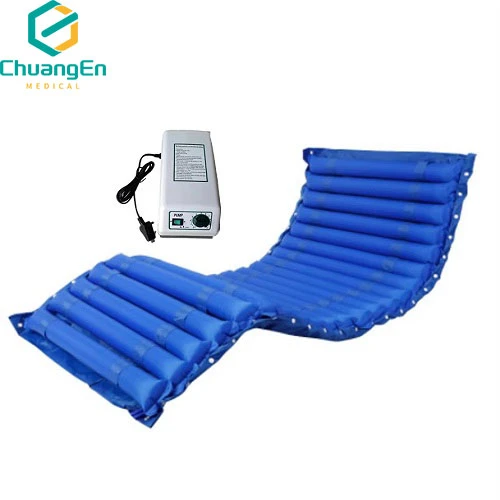
At its essence, this mattress combines two technologies designed to protect skin and improve patient comfort. The “alternating pressure” feature inflates and deflates different air cells in cycles, distributing the body’s weight evenly to reduce prolonged pressure on any one spot—commonly hips, heels, and shoulders.
The “low air loss” adds another layer of innovation by constantly pushing a gentle airflow through the mattress surface to reduce moisture and heat buildup. Moist skin is more fragile and prone to breakdown, so this airflow promotes a cool, dry barrier between body and mattress.
Together, these features—working quietly but effectively—are especially critical for immobile patients or those hospital-bound for long periods.
Mini takeaway: It’s about targeted pressure relief plus moisture control, to keep patients safe and comfortable.
Key Components That Define Effectiveness
1. Dynamic Air Cell System
The mattress contains air cells arranged in channels that alternately inflate and deflate, usually on cycles of 8 to 12 minutes. This movement mimics repositioning and aids blood flow.
2. Low Air Loss Blower
This device continuously circulates filtered air through the surface, helping reduce sweat and humidity. It’s subtle but crucial in preventing skin maceration.
3. Durable Cover Material
Water-resistant, breathable covers protect the mattress internals and ensure easy cleaning while allowing airflow through micro-pores.
4. Pressure Adjustment Settings
Caregivers can tailor pressure levels based on patient weight, sensitivity, or clinical need, ensuring personalized care.
5. Safety & Alarm Systems
Modern units often include alarms for power failure, low pressure, or leaks — preventing unattended risks.
Mini takeaway: These parts work together silently but matter greatly in clinical outcomes.
Real-World Applications: Where and Who Benefits?
Hospitals and long-term care facilities in North America and Europe have led adoption, but with rising healthcare accessibility globally, places from Japan to the Middle East to Australia rely on these mattresses too.
In post-disaster relief zones—say a hurricane-impacted area—patients requiring evacuation or extended care find these mattresses invaluable. Remote industrial camps and mining operations with onsite medical stations also use them for occupational injuries.
Interestingly, some developing nations are partnering with NGOs to include alternating pressure mattresses in shelter-based field hospitals, standardizing care quality even in crisis.
Mini takeaway: Across continents and conditions, these systems translate to better care under diverse circumstances.
Product Specification Table
| Feature | Specification |
|---|---|
| Dimensions | Length: 80”, Width: 36”, Height: 8” |
| Cycle Time | 8 - 12 minutes alternating inflation |
| Weight Capacity | Up to 350 lbs (160 kg) |
| Blower Power | 100 Watts, silent operation |
| Cover Material | Polyurethane-coated nylon (breathable, waterproof) |
| Safety Features | Power & pressure alarms; battery backup option |
Advantages That Go Beyond Comfort
The benefits of combining alternating pressure with low air loss technology spill into multiple domains:
- Clinical: Proven reduction in pressure ulcer incidence by up to 50% in high-risk patients.
- Economic: Lower treatment costs from preventing wounds rather than managing them after they develop.
- Social & Emotional: Patients report better sleep quality and dignity, feeling less “medicalized.”
- Sustainability: Durable materials and energy-efficient blowers minimize environmental impact.
Frankly, the trust caregivers place in these systems shows how much low-tech comfort and high-tech engineering can join forces to do good.
Mini takeaway: More than a mattress—it’s an investment in patient safety and healthcare efficiency.
Comparing Vendors: Finding the Right Match
| Brand | Price Range | Key Features | Warranty |
|---|---|---|---|
| SecureRest™ | $1,200 - $1,500 | Adjustable pressure cycles, lightweight blower | 3 years |
| MediFlow Plus | $1,500 - $1,800 | Advanced low air loss, antimicrobial cover | 5 years |
| NeuroCare Air™ | $1,300 - $1,600 | Wireless remote, enhanced safety alarms | 4 years |
Looking Ahead: Innovations in Pressure Care Technologies
The field is quietly evolving. Engineers and product designers are exploring smart mattresses with embedded sensors that track pressure points in real-time, feeding data directly to nurses’ stations or even family members via smartphone apps.
Sustainability concerns are driving greener motor designs, and some manufacturers are trialing recyclable covers and solar-powered micro blowers. Automation could soon allow mattresses to “learn” patient movement patterns and adjust cycles dynamically.
Mini takeaway: The future mattress could be as much about data and environment as it is about comfort.
Challenges & How We’re Overcoming Them
But like most great inventions, there are bumps to smooth out. Current issues include noise from blowers, power dependency (a challenge during blackouts), and upfront costs that deter some institutions.
Experts suggest integrating battery backups, quieter brushless motors, and government subsidies targeting long-term cost savings as solutions. Beyond tech, education for caregivers on proper mattress use is just as critical.
FAQs About Alternating Pressure Mattresses with Low Air Loss
- How often should an alternating pressure mattress cycle?
- The standard cycle ranges from 8 to 12 minutes, allowing pressure relief without disturbing patient comfort. Settings can be adjusted based on patient condition.
- Can these mattresses help with moisture management?
- Yes, the low air loss function constantly circulates air, reducing humidity and skin moisture, which are key factors in preventing skin breakdown.
- Are these mattresses suitable for home use?
- Absolutely. Many models are designed for both hospital and home settings, offering portability and ease of use for caregivers.
- What maintenance is required?
- Regular cleaning of covers, inspection for leaks, and blower filter replacement are usually recommended to ensure longevity and hygiene.
- Do insurance plans typically cover these mattresses?
- Coverage varies by region and policy but many healthcare providers recognize their medical necessity and include them under durable medical equipment.
Wrapping It Up: The Lifesaving Promise of Specialized Mattresses
The alternating pressure mattress with low air loss is quietly changing the way we approach patient care—turning what could be days or weeks of discomfort, infection, and higher costs into a period marked by dignity, speedier recovery, and fewer complications.
As healthcare demands shift globally, embracing these innovations isn’t just smart—it’s essential. Curious to explore options for your facility or home care needs? Visit our website: https://www.chuangenmedical.com.
References: