Understanding the Alternating Pressure System: Why It Matters Worldwide
Whether you’re in healthcare, disaster relief, or industrial safety, the alternating pressure system has quietly reshaped how we approach comfort, prevention, and risk management. Globally, it plays a vital role in improving patient care and reducing complications like pressure ulcers, while also finding new applications in various sectors. Knowing what it is — and why people keep relying on it — means tapping into a technology that blends innovation with human dignity in remarkable ways.
The Bigger Picture: Global Context of the Alternating Pressure System
It’s staggering how, according to the World Health Organization, pressure ulcers affect roughly 10% of hospitalized patients worldwide, causing long-term suffering and skyrocketing healthcare costs.1 That’s where the alternating pressure system steps in. These systems dynamically reduce prolonged pressure on vulnerable skin areas, which is critical in patient recovery and comfort.
More broadly, the system’s relevance is rising in aging populations, rehabilitation centers, and even humanitarian disaster zones where prolonged immobility is common. As global demographics shift, and as we prioritize sustainable healthcare solutions, alternating pressure technology will only become more essential.
Mini Takeaway:
The alternating pressure system is not merely a medical gadget; it's a global health enabler tackling a surprisingly common but serious problem — pressure injuries — on an ongoing basis.
What Is an Alternating Pressure System, Anyway?
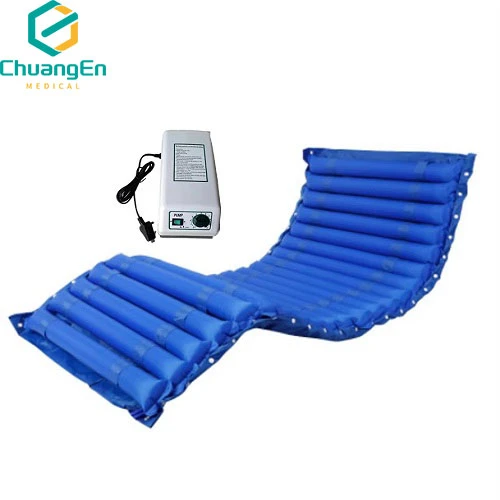
Simply put, an alternating pressure system is a specially designed cushion or mattress that cyclically adjusts air pressure between different cells or chambers. The goal? To continually shift pressure points on the body, preventing tissue damage caused by constant, unrelieved contact with a surface.
This technology is linked closely to modern healthcare but also applies to other fields requiring prolonged support — think evacuation stretchers or industrial seating. I’ve often found it fascinating how this concept, rooted in basic physiology, has expanded into multi-billion-dollar industries.
Key Components of an Alternating Pressure System
1. Pressure Cells or Air Chambers
These are usually interconnected bladders that inflate and deflate in cycles to redistribute pressure. The design and durability of these cells are crucial, especially under constant use.
2. Pump Mechanism
This reliably controls inflation and deflation, often with adjustable settings for pressure intensity and timing. Modern pumps are quieter and more energy-efficient, which matters in sensitive environments.
3. Control Interface
From simple knobs to digital panels, this element lets users customize the cycle patterns, pressure levels, and alarms — essential for patients with varying needs.
4. Cover Material
This affects user comfort and hygiene. Most systems employ waterproof, breathable fabrics that also reduce shear and friction risks.
5. Power Supply & Backup
Reliability is key; some systems include battery backups, especially for hospitals or mobile aid units where power disruptions can happen.
Mini Takeaway:
Each main element of an alternating pressure system works together to create a responsive, adaptive environment that protects skin health through technology and design.
Where Are Alternating Pressure Systems Truly Making a Difference?
These systems have clear uses in healthcare — hospitals, nursing homes, and rehab centers use them extensively to prevent bedsores. But beyond that, their footprint is noticeable in:
- Disaster Relief: Post-disaster shelters often rely on alternating pressure mattresses to aid injured or immobile individuals.
- Home Care: Aging-in-place programs for the elderly integrate these systems to maintain comfort and dignity.
- Military & Remote Operations: Portable alternating pressure units help prevent pressure injuries during prolonged transport or field hospital stays.
- Industrial Safety: Operators spending long hours seated in harsh environments employ versions of these systems for fatigue and injury reduction.
Mini Takeaway:
From the hospital ward to crisis zones, alternating pressure systems support those in prolonged immobility or harsh conditions — often quietly, behind the scenes.
Realistic Product Specs: A Typical Alternating Pressure Mattress Model
| Feature | Specification |
|---|---|
| Dimensions | 78" L × 35" W × 3" H (standard twin size) |
| Air Flow Cycles | Alternating every 10 minutes |
| Weight Capacity | Up to 350 lbs (160 kg) |
| Pump Noise Level | |
| Fabric | Waterproof, antibacterial vapor-permeable cover |
| Power Supply | 110V AC with battery backup (up to 8 hours) |
Comparing Leading Vendors Offering Alternating Pressure Systems
| Vendor | Price Range | Warranty | Special Features | Global Reach |
|---|---|---|---|---|
| Chuangen Medical | $250 - $400 | 3 years | Energy-saving pumps, waterproof covers | Asia, Europe, Americas |
| Nightingale Systems | $300 - $500 | 2 years | Smart pressure adjustment, Bluetooth control | North America, Europe |
| MedPress Tech | $280 - $450 | 2.5 years | Low noise, antibacterial fabrics | Global |
Reasons To Choose an Alternating Pressure System: The Long-Term Wins
Why are hospitals and relief organizations investing in these systems? First, they substantially reduce costs tied to pressure ulcer treatments, which can be thousands of dollars per patient, per incident. Psychologically, patients feel cared for — and frankly, safer — when discomfort and skin breakdown are minimized.
From a sustainability standpoint, many newer systems are built with recyclable components and energy-efficient pumps, aligning with green healthcare initiatives. Plus, there's the social impact — allowing immobile or recovering individuals to preserve their dignity by avoiding painful sores.
Innovations on the Horizon for Alternating Pressure Systems
Tech is moving fast. We’re seeing integration of IoT-enabled sensors that monitor patient position and pressure in real-time, alerting caregivers instantly. Materials are becoming more eco-conscious, with biodegradable covers and reduced plastics. Automation has grown smarter, with AI algorithms optimizing pressure cycles based on individual patient feedback or movement.
Green energy integration, like solar-powered portable pumps, is also catching on — especially helpful in remote or off-grid environments.
Challenges — and How We’re Tackling Them
Despite their benefits, alternating pressure systems aren’t perfect. Cost remains a barrier, especially in low-income settings where such tech could save lives. There’s also reliability; older or cheaper pumps can fail silently, risking injury. Training caregivers to use these systems properly is another frequent hiccup.
Solutions? Industry leaders focus on affordability without compromising quality, including leasing or donation models. Many are improving diagnostics with self-check functions and alarms. And comprehensive caregiver training programs, combined with online resources, help ensure effective deployment and maintenance.
FAQ: Answers to Common Questions About Alternating Pressure Systems
- Q: How does an alternating pressure mattress prevent bedsores?
A: By periodically inflating and deflating air chambers, it redistributes pressure points regularly to maintain healthy blood flow and reduce tissue stress, preventing ulcer formation. - Q: Can these systems be used outside of hospitals?
A: Absolutely. They’re increasingly used in home care, disaster relief, and even in mobile medical units, offering flexibility wherever immobility is a concern. - Q: Are these mattresses easy to clean and maintain?
A: Most designs include waterproof, antibacterial covers that can be wiped or machine washed. Pumps are generally low maintenance but should be inspected regularly for leaks and wear. - Q: What is the typical lifespan of an alternating pressure mattress?
A: Lifespans vary by model and usage but generally range from 3 to 5 years with proper care. Warranty terms often reflect expected durability. - Q: How can organizations source these systems internationally?
A: Leading vendors like Chuangen Medical offer international shipping, compliance documentation, and sometimes local distribution partnerships, simplifying import and regulatory hurdles.
Conclusion: Why Alternating Pressure Systems Are Worth the Investment
To wrap it up, this technology isn’t just about engineering clever mattresses — it’s about improving quality of life, reducing healthcare burdens, and adapting to global challenges like aging populations and disaster response. The alternating pressure system continues to evolve, offering smarter, greener, and more accessible solutions.
Interested in exploring options tailored for your medical or industrial needs? Visit Chuangen Medical today and discover how these systems can make a difference.
References
- World Health Organization (WHO), Pressure Ulcers Fact Sheet, 2023.
- ISO 4551:2021, "Medical devices — Alternating pressure mattresses — General requirements."
- United Nations Population Division, World Population Prospects, 2022 Revision.