Understanding an Alternating Pressure Mattress: A Global Perspective
When you think of a mattress, comfort and a good night's sleep probably come to mind. But an alternating pressure mattress is a bit of a different beast — it's a specialized medical device designed primarily to prevent and treat pressure ulcers. As populations age and healthcare’s needs shift globally, understanding these mattresses isn’t just a niche concern — it's a pressing priority worldwide. These devices improve patient outcomes, reduce costly hospital stays, and protect vulnerable communities from avoidable suffering.
Globally, the need for effective pressure care is growing. According to the World Health Organization, pressure injuries affect millions annually, often complicating recovery and increasing healthcare costs. This makes an alternating pressure mattress more than just a comfort aid – it’s a cornerstone of modern healthcare and emergency relief efforts.
The Global Relevance of Alternating Pressure Mattresses
Around the world, healthcare infrastructure faces enormous pressure (pun intended). From developed nations grappling with growing elderly populations to low-income countries enhancing post-disaster medical support, the demand for devices that prevent pressure sores is undeniable. The United Nations estimates over 700 million people globally are aged 60 or older by 2050, which means prolonged immobility cases will soar.
Here’s where an alternating pressure mattress comes in handy — these mattresses continuously redistribute pressure to stop skin breakdown, improving quality of life for bedridden or immobile patients. However, adoption is uneven — partly due to cost, logistics, and awareness. That’s a challenge and an opportunity.
So, What Exactly Is an Alternating Pressure Mattress?
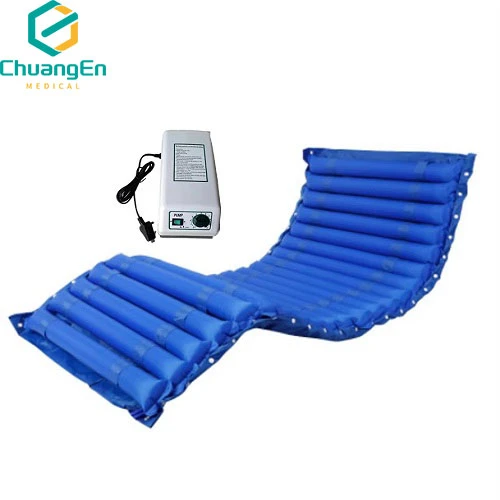
At its core, an alternating pressure mattress is a specially engineered mattress system embedded with airbags or cells that inflate and deflate in a programmed cycle. This action shifts pressure points on the body every few minutes — mimicking the natural movement of a mobile person and preventing blood flow restriction in vulnerable skin areas.
Unlike standard hospital mattresses, these devices play a proactive role in wound prevention, especially for patients with limited mobility from spinal injuries, stroke, or chronic illness. Oddly enough, they also fit humanitarian needs where field hospitals must provide rapid, reliable care with minimal resources.
Core Components of an Alternating Pressure Mattress
1. Air Cell Technology
The heart of the mattress lies in its individual air cells, which usually inflate and deflate in alternating sequences. These cells can vary in number, size, and material, affecting the mattress's pressure distribution and durability.
2. Control Unit
A box-like pump compresses air into the cells and controls their cycling. Advanced models offer adjustable pressure settings, alarms, and energy efficiency features.
3. Cover Fabric
The outer layer is typically waterproof, vapor-permeable, and antimicrobial to make maintenance easier and reduce infection risks — which, frankly, is a lifesaver in hospitals.
4. Power Source
Most models run on AC electricity, though portable batteries exist for field use. Considering power outages common in some regions, this element is crucial.
5. User Interface
Simple displays or buttons allow caregivers to tweak pressures or alarm settings, improving customization and safety during extended use.
Mini Takeaway:
The alternating pressure mattress is a marriage of simple yet innovative technology and practical healthcare needs — making it versatile for many settings.
The Many Real-World Applications
The use cases for alternating pressure mattresses are as varied as medicine itself. In wealthy hospital systems across Europe and North America, these mattresses have become standard for intensive care units and long-term care homes. They reduce the incidence of bedsores — a major patient safety benchmark.
Elsewhere, NGOs deploying emergency medical units in post-disaster zones, say, after earthquakes in Southeast Asia, rely on these mattresses to deliver dignified care to displaced and injured people.
Oddly enough, some remote industrial camps even use them for workers on extended shifts with limited mobility. Their portability and ease of sanitation are a big plus in these harsh environments.
Product Specification Table
| Specification | Typical Value / Feature | Notes |
|---|---|---|
| Cycle Time | 8-12 minutes | Varies by model |
| Maximum Weight Capacity | Up to 250 kg (550 lbs) | Heavy-duty versions available |
| Power Consumption | 8-12 Watts | Energy-efficient models exist |
| Cover Material | PU Coated Nylon/Polyester | Waterproof, antimicrobial |
| Warranty | 1-3 years | Depends on manufacturer |
Comparing Market Vendors
Not all alternating pressure mattresses are created equal. Here's a quick rundown of some popular providers and their core strengths:
| Vendor | Price Range (USD) | Key Features | Ideal Use Case |
|---|---|---|---|
| ChuangEn Medical | $400 - $800 | Durable cover, adjustable pressure, energy-saving pump | Hospitals & rehab centers |
| Varilite | $1,200 - $2,000 | High-end cellular design, integrated user controls | Critical care & long-term patients |
| Drive Medical | $350 - $700 | Affordable, reliable, basic functions | Home care & nursing facilities |
The Long-Term Advantages of Using an Alternating Pressure Mattress
The benefits aren’t just clinical — although those are huge. For patients, alternating pressure mattresses safeguard hard-won dignity by preventing painful ulcers and reducing hospital stays. Caregivers notice lowered workload and fewer complications.
For institutions, investing in these mattresses translates into long-term savings on wound care and legal risks. Plus, many models now focus on sustainability, using materials and power systems that lessen environmental footprints.
Looking Forward: Innovations on the Horizon
Advance tech is shaping future alternating pressure mattresses in interesting ways. IoT-connected units will soon monitor patient posture and skin health in real-time, alerting staff proactively. Meanwhile, materials science is introducing biodegradable or recyclable mattresses, answering eco-conscious trends.
And then there’s automation — imagine adjustable systems that learn user habits and customize pressure cycles autonomously. Green power solutions, like solar-assisted battery backups, are also becoming practical, especially for disaster zones.
Common Issues and How Experts Tackle Them
No product is perfect, right? Current challenges include cost barriers, noise from pumps that can disturb sleep, and power dependency in low-infrastructure settings. Designers are getting clever with quieter motors, modular components, and hybrid power options.
Another headache is user training — without proper handling, these mattresses can fail their purpose. That's why many healthcare providers emphasize hands-on training and easy-to-understand manuals.
FAQ: Your Alternating Pressure Mattress Questions Answered
- How often should the pressure cycle change in an alternating pressure mattress?
- Typically, the mattress cycles between inflated and deflated cells every 8 to 12 minutes — a timing chosen to balance pressure relief and patient comfort. However, some advanced units allow you to customize cycle times based on patient needs.
- Can these mattresses be used for home care patients?
- Absolutely! Many models are designed for home use, offering portability and easy maintenance. However, caregivers should ensure regular monitoring and maintenance to keep the mattress functioning optimally.
- Are alternating pressure mattresses covered by insurance?
- Coverage varies by country and insurance plans. Often, medical necessity documented by a healthcare provider can help patients get partial or full reimbursement. Checking with your insurer is recommended.
- How do I clean and maintain an alternating pressure mattress?
- Most mattresses have waterproof, antimicrobial covers that can be wiped down with mild disinfectants. The pump unit should be kept dry and dust-free. Always follow manufacturer guidelines to preserve warranty.
Final Thoughts and Next Steps
Considering everything, an alternating pressure mattress is a smart, compassionate investment for any facility or caregiver focused on improving patient comfort and outcomes. Its benefits ripple beyond individual users to healthcare systems and global health efforts.
If you’re curious about how these mattresses could fit your needs or want to explore different models, take a moment to visit our website. Sometimes the right mattress is the difference between healing or harm.