Understanding the Alternating Pressure Relief System and Its Global Impact
At its core, the alternating pressure relief system is an ingenious solution designed to prevent and treat pressure ulcers, which are a serious health challenge globally, especially for immobile patients. Pressure sores affect millions worldwide — roughly 2.5 million people in the U.S. alone experience some form of pressure injuries annually, according to the National Pressure Ulcer Advisory Panel. This problem becomes even more urgent as populations age and chronic conditions rise.
Why does this matter beyond hospitals? Pressure ulcers lead not only to patient suffering but also increased healthcare costs, extended hospital stays, and higher risk of infections. Understanding these pressure relief systems means better patient outcomes and smarter resource use. Plus, it’s a glimpse into how technology can gently ease age-old healthcare challenges.
Mini takeaway: The alternating pressure relief system isn’t just a luxury—it’s a critical healthcare tool with wide-reaching social and financial value worldwide.
Global Context: Addressing a Silent Epidemic
The World Health Organization estimates that pressure ulcers affect up to 23% of hospitalized patients globally. Aging populations, especially in developed nations but growing in emerging economies too, exacerbate this trend. Healthcare systems, from developed city hospitals to remote rural clinics, face mounting pressure (pun intended) to provide effective prevention tools.
In humanitarian crises, like refugee camps or disaster zones, the importance of efficient patient care escalates. The alternating pressure relief system ensures that those vulnerable to prolonged immobility still receive dignified treatment. It especially matters where staffing is limited and the risk of complications is high.
Oddly enough, this problem is as much logistical as medical — how do you move patients off pressure points without exhausting healthcare workers?
What Is an Alternating Pressure Relief System?
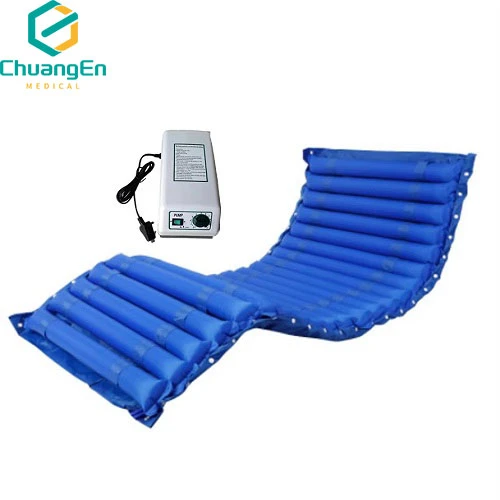
Simply put, it’s a mattress (or mattress overlay) featuring air cells that alternately inflate and deflate on set cycles. This dynamic pressure redistribution alleviates constant load on specific skin areas, maintaining blood flow and tissue health.
These systems connect tightly to modern healthcare’s focus on patient comfort and prevention rather than reactive treatment. They’re rooted in decades of clinical research, ergonomics, and patient feedback, representing a smart alliance of tech and care ethics.
Key Components of an Alternating Pressure Relief System
1. Durability and Materials
Many engineers say the quality of materials—medical-grade, waterproof nylon and durable air cells—makes or breaks a system. Durable components handle constant inflation cycles and resist punctures, while still being light enough for easy handling.
2. Pressure Settings and Control
A good system lets caregivers adjust inflation cycles and pressure levels individually, tailored to patient weight and risk factors. This scalability avoids one-size-fits-all and enhances efficacy.
3. Ease of Use and Maintenance
Quick assembly, simple controls, and easy cleaning protocols are critical — no one wants complex setups in a busy ward. Many systems include alarms or indicators for low pressure or faults.
4. Power Requirements and Portability
These systems mostly plug into standard hospital outlets but many models now offer battery backup or low power consumption modes for settings with unstable power supply, like mobile clinics.
5. Infection Control Features
Seamless covers, antimicrobial treatments, and ease of disinfection help reduce hospital-acquired infection risks — a growing concern worldwide.
6. Cost Efficiency
Finally, good value weighs into adoption. Systems that balance price with lifespan and performance win out over time, especially in budget-conscious healthcare systems.
Mini takeaway: These components collaborate to form a system that is reliable, adaptable, and user-friendly — vital for real-world healthcare settings.
Applications Across the Globe
From high-tech hospitals in Western Europe to emergency shelters in Southeast Asia, the alternating pressure relief system finds varied applications.
- Post-surgical wards: Mobilizing patients easily while preventing ulcers.
- Elder care facilities: Long-term support for immobile seniors.
- Disaster relief operations: Temporary shelters where patient comfort can make a huge difference in recovery.
- Remote clinics: Portable systems allow care in places lacking hospital infrastructure.
For example, in remote Australian mining camps, these systems help reduce medevac cases tied to skin ulcers. In refugee camps around the Mediterranean, they maintain patient well-being amidst tough living conditions.
Advantages and Long-Term Benefits
The practical upsides are clear: fewer pressure sores mean shorter rehab times, lower infection rates, and — frankly — less distress for patients. This ties into emotional support, preserving dignity when people feel vulnerable.
Financially, upfront investment offsets repeated nursing interventions and costly treatments. Environmentally, durable parts and fewer disposables contribute to sustainable healthcare.
Mini takeaway: These systems embody a blend of compassion, cost control, and innovation — a rare trifecta in medical devices.
Looking Ahead: Emerging Trends
What’s next? Increasingly, manufacturers integrate smart tech — IoT sensors monitor pressure points in real time, sending alerts to nursing stations. Materials science is pushing for lighter, greener, and more resistant air cells. Some models incorporate solar charging for field work.
Policy-wise, international health agencies are urging wider adoption as part of aging population strategies worldwide. The fusion of digital health and pressure relief is an exciting frontier.
Overcoming Current Challenges
Despite clear benefits, challenges remain: cost barriers in low-income settings, electricity availability, and staff training. Innovative solutions like solar-powered pumps and multilingual digital training tools are helping bridge these gaps.
Collaborations between manufacturers and NGOs also drive down prices and improve distribution in under-served areas.
FAQs about Alternating Pressure Relief System
Q1: How frequently should the air pressure cycle in these systems to be effective?
A1: The typical cycle ranges from 8 to 12 minutes, alternating inflation and deflation between air cells. This schedule balances comfort and pressure redistribution but can be adjusted based on patient needs.
Q2: Can these systems be used for all patients at risk of pressure sores?
A2: Mostly yes, but contraindications exist — for example, patients with severe hemodynamic instability or those who move frequently might not benefit as much. Clinician assessment ensures optimal use.
Q3: What maintenance is required to keep the system reliable?
A3: Regular cleaning of covers, inspection for leaks, and periodic servicing of inflatable cells and pumps keep the system working smoothly. Most manufacturers provide clear guidelines.
Q4: Are these systems covered by insurance in most countries?
A4: Coverage varies, but many health insurers classify alternating pressure relief systems as medically necessary aids, particularly for long-term patient care. Always check local policies.
Q5: How portable are these systems for home care or emergency use?
A5: Many models weigh under 7 kg and fold easily, making them suitable for transport and quick setup in home or field environments.
Product Specification Table
| Feature | Typical Value | Notes |
|---|---|---|
| Cycle Time | 8 - 12 minutes | Adjustable per patient's needs |
| Max Patient Weight | Up to 300 kg (660 lbs) | Supports bariatric patients |
| Material | Medical-grade nylon/PU coated | Waterproof & antimicrobial |
| Power | 110-240V AC, optional battery backup | Suitable for various environments |
| Weight | Approx. 6.5 kg (14.3 lbs) | Easy to transport |
Comparison of Leading Alternating Pressure Relief System Vendors
| Vendor | Price Range | Special Features | Warranty | Global Reach |
|---|---|---|---|---|
| ChuangEn Medical | $800–$1,200 | IoT-enabled pressure sensors | 3 years | Asia, Europe, Americas |
| MedAir Solutions | $900–$1,300 | Battery backup, ultra-quiet pump | 2 years | Global |
| PressureCare Plus | $700–$1,000 | Eco-friendly materials | 1.5 years | Europe, North America |
Wrapping Up
In real terms, the alternating pressure relief system isn’t just about a mattress pumping air here and there. It represents a quiet, persistent revolution in patient care — shifting the focus from injury treatment to prevention. It’s a smart investment in health, dignity, and cost savings that healthcare providers worldwide are waking up to.
If you want to dive deeper into how these systems can transform care delivery, or source top-tier products, feel free to explore more at ChuangEn Medical. After all, sometimes it’s the small pulses, the alternating shifts, that make the biggest impact.