The Growing Importance of the Alternating Pressure Redistribution System
If you’ve ever wondered how hospitals or care facilities prevent those nasty pressure ulcers—sometimes known as bedsores—from developing in patients confined to beds for long periods, you’re already scratching the surface of why an alternating pressure redistribution system matters so much. Globally, the rising elderly population, along with longer hospital stays and complex chronic conditions, means that millions face risks stemming from prolonged immobility. Tackling these challenges with innovative pressure-relief technology isn’t just about comfort; it’s about dignity, healing, and often saving lives.
Understanding these systems helps healthcare providers optimize patient outcomes, reduce treatment costs associated with wound care, and even reshape approaches in disaster relief and remote care settings.
Introduction: Why the Alternating Pressure Redistribution System Matters Worldwide
Did you know that according to the World Health Organization, pressure ulcers affect approximately 10% of hospitalized patients worldwide? In aging societies—think Japan, Europe, and the USA—this percentage climbs higher, sometimes doubling. The UN’s focus on quality healthcare for all has put these systems under the spotlight as essential aids in modern patient care.
Pressure ulcers not only create pain but significantly extend hospital stays and inflate medical costs. That’s where the alternating pressure redistribution system steps in: a proven answer to mitigate these risks by dynamically changing pressure points, encouraging circulation, and promoting tissue health.
Defining the Alternating Pressure Redistribution System
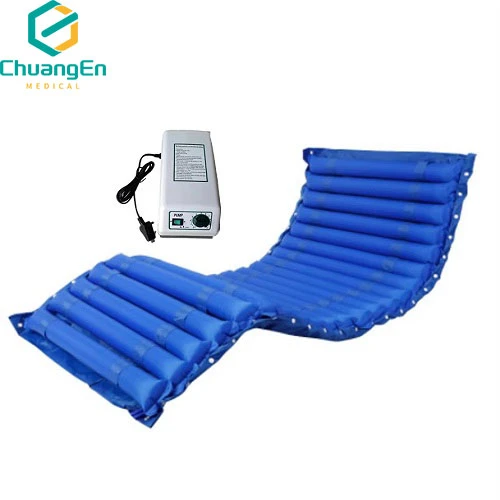
Put simply, an alternating pressure redistribution system is a mattress or overlay setup embedded with inflatable air cells that cyclically inflate and deflate. This movement shifts pressure points under a patient’s body, helping to prevent prolonged pressure that cuts off blood flow and leads to sores.
It’s one of those elegant solutions—rooted in mechanical principles but elevated by digital controls—that bridges industry innovation and humanitarian medical needs. From ICUs to field hospitals in disaster zones, these systems offer a saving grace.
Key Features of an Effective Alternating Pressure Redistribution System
1. Durability and Material Quality
Since these systems are often used continuously and can bear a range of weights, their materials must resist wear and tear. Medical-grade PVC or nylon-coated fabrics are common choices for air cells. Durability ensures longevity and consistent performance despite daily stress.
2. Pressure Cycle Adjustability
The real magic lies in controlling the timing and pattern of inflation cycles. Systems with customizable settings allow caregivers to adapt to individual patient needs, which vary based on health conditions, weight, and skin sensitivity.
3. Ease of Use and Mobility
Many hospitals face tight budgets and staff shortages, so systems that are easy to install, transport, and maintain have a clear operational advantage. Portability can matter, for example, during patient transfers or emergency evacuations.
4. Cost Efficiency and Maintenance
Balancing initial investment and ongoing upkeep costs is crucial. Systems that use modular parts or feature replaceable air bladders can reduce downtime and long-term expenses.
5. Infection Control
Since healthcare environments demand strict hygiene, materials that are antimicrobial or easy to clean help minimize infection risks—a parameter often overlooked but vital in real-world settings.
Global Applications: Where Do These Systems Really Make a Difference?
The alternating pressure redistribution system isn’t restricted to high-tech hospitals in developed countries. In places like Southeast Asia and parts of Africa, mobile clinics often rely on lightweight, battery-powered models that can run off solar or car power—allowing treatment in remote areas where bedsores would otherwise go unchecked.
Even emergency relief organizations use these systems extensively; for instance, after natural disasters where temporary shelters become makeshift hospitals, they reduce patient complications and speed recovery.
In fact, many rehabilitation centers and long-term care homes worldwide attribute better patient outcomes and reduced hospitalization time to integrating these systems.
Mini Takeaway:
The alternating pressure redistribution system has shifted from a specialized medical niche to a broader healthcare essential crossing borders, climates, and budgets.
Advantages and Long-Term Benefits
- Cost Savings: Preventing pressure ulcers cuts down on expensive wound treatments and readmissions.
- Patient Comfort & Dignity: Shifting pressures translate into better sleep, less pain, and improved morale.
- Reduced Caregiver Burden: Automated cycling decreases the need for frequent manual repositioning, allowing staff to focus on other urgent interventions.
- Sustainability: Many systems today now prioritize energy efficiency and recyclable materials, aligning with global green healthcare initiatives.
Product Specification Table
| Feature | Specification |
|---|---|
| Air Cells | 20–24 high-density inflatable cells |
| Cycle Time | Adjustable: 5 to 15 minutes |
| Weight Capacity | Up to 350 kg (770 lbs) |
| Power Source | AC powered, battery backup available |
| Material | Medical-grade nylon with antimicrobial coating |
| Control | Digital with manual override |
Top Brands: Comparing Popular Vendor Solutions
| Feature / Vendor | ChuangEn Medical | SafeRest Solutions | AirRelief Technologies |
|---|---|---|---|
| Cycle Time Range | 5-15 min adjustable | Fixed 10 min | 7-12 min |
| Material | Medical-grade nylon, antimicrobial | PVC blend, water-resistant | TPU-coated fabric |
| Battery Backup | Yes (4 hours) | No | Yes (2 hours) |
| Portability | High, lightweight pump | Medium | Low, designed for facilities |
| Price Range | $700-$950 | $600-$850 | $900-$1,100 |
Looking Ahead: Trends and Innovations in Pressure Redistribution Systems
It feels like every year brings a fresh infusion of tech into these systems. We’re seeing integration with IoT devices to monitor patient pressure points in real time, allowing adjustments before discomfort even begins. Some new models leverage advanced memory-foam blends combined with airflow to deliver both passive and active pressure relief.
Green energy options—solar-powered pumps, for example—are gaining traction in off-grid clinics. Manufacturers are also experimenting with biodegradable materials, so when a mattress reaches end-of-life, it won’t add to landfill stress.
The Challenges—and How We’re Overcoming Them
No technology is perfect, and alternating pressure redistribution systems face their share of challenges. Maintenance complexity and repairs can stall hospitals operating on shoestring budgets. Sometimes, alarms or pump noise annoy patients or staff. Plus, improper use might actually worsen outcomes if the pressure cycles don’t suit patient needs.
Expert consensus encourages thorough staff training and smart system design—things like silent pumps and modular components that are easy to service onsite, even in rural areas.
FAQ: Common Concerns About Alternating Pressure Redistribution Systems
Q: How does an alternating pressure mattress prevent bedsores?
A: By cyclically inflating and deflating air cells, the mattress redistributes weight and shifts pressure from vulnerable areas, maintaining healthy blood flow and preventing tissue damage.
Q: Can these systems be used outside hospitals?
A: Absolutely. Portable and battery-backed models are designed for home care, emergency relief sites, and even long-term care facilities, making them very versatile.
Q: How often should the pressure cycles be adjusted?
A: It varies per patient. Generally, cycles of 7 to 15 minutes are effective, but healthcare providers often tailor timing based on patient condition and comfort.
Q: Are these systems costly to maintain?
A: Maintenance costs exist, but modular designs and replaceable parts lower those expenses. Also, the costs are offset by reducing expensive pressure ulcer treatments.
Q: Is it difficult to train staff on these systems?
A: Not really. Most manufacturers provide clear instructions and training materials. Once caregivers see the benefits, adoption tends to be fast.
Conclusion: Why You Should Care About Pressure Redistribution Systems
Looking back, the alternating pressure redistribution system isn’t just another hospital gadget. It represents a thoughtful marriage of engineering, healthcare, and compassion. It helps prevent painful complications that can otherwise spiral into costly, prolonged care. Whether deployed in a state-of-the-art ICU or a relief camp for displaced families, it symbolizes progress and hope.
If you’d like to explore these solutions further, especially for your facility or project, take a peek at ChuangEn Medical’s range—their expertise really shines in this space.
Mini Takeaway:
With global aging trends and rising healthcare pressures, investing in effective alternating pressure redistribution systems isn’t just smart—it’s essential for compassionate care worldwide.