What’s the Deal with Alternating Pressure Pump and Pad Systems?
If you've ever spent time caring for someone with limited mobility, or looked into hospital equipment, there's a good chance the phrase alternating pressure pump and pad system has cropped up. These systems, while sounding technical, play a crucial role worldwide — especially in healthcare and humanitarian fields — by preventing pressure ulcers, improving patient comfort, and aiding recovery. But beyond the hospital, their significance spills into global health contexts and emergency responses. Simply put, understanding these systems matters because they blend technology and care to improve lives in some pretty fundamental ways.Global Context: Why This Technology Matters Now More Than Ever
Globally, mobility impairments and chronic wounds rank high among health challenges, especially in aging populations and in areas with limited medical infrastructure. According to the World Health Organization, pressure ulcers affect roughly 10% to 20% of hospitalized patients and can lead to serious infections or even longer hospital stays. Enter the alternating pressure pump and pad system: a tool designed not just for comfort but for prevention — reducing costly complications. Frankly, this system tackles a problem that costs global healthcare systems billions yearly, impacting both patient well-being and medical budgets. The UN’s older adults’ reports also point out the increasing demand for assistive technologies that maintain dignity and independence — a goal that such systems firmly align with. Hospitals, elder care centers, and even humanitarian organizations rely on this technology to reduce patient risks, especially in crisis zones where staff may be stretched thin.So, What Exactly Is an Alternating Pressure Pump and Pad System?
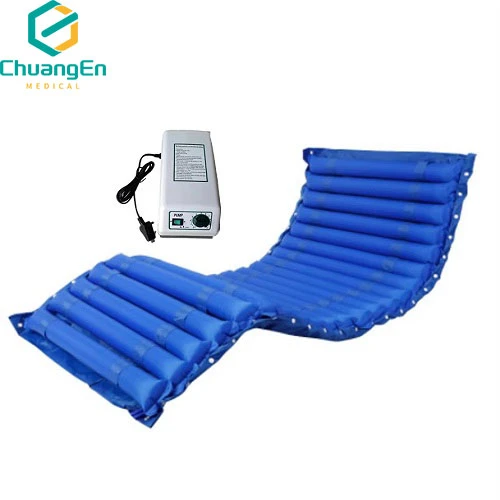
Breaking down the term, it’s essentially a mattress cover (the pad) equipped with multiple air cells connected to a pump that alternates inflation in cycles. This cycling shifts pressure points on a patient’s body, preventing constant compression on one spot — the main cause behind bedsores. More simply put: imagine a bed that “breathes” for the person lying on it, gently squeezing and releasing air to keep them comfortable and safe. It sounds oddly soothing, but the technology underneath is pretty advanced. This system reflects modern healthcare's move from reactive to proactive solutions, where prevention is king. You might also hear it called pressure-relief or alternating pressure mattress overlay systems, but the core idea remains — promoting circulation and tissue health by redistributing pressure.Mini takeaway: At its core, this system is smarter support for people who need it most — preventing injury before it starts.
Key Components That Make It Work
1. Pump Unit
The heart of any alternating pressure system is the pump. It inflates and deflates air cells in a timed pattern, typically cycling every 8–12 minutes. Reliability here is crucial — many systems feature adjustable pressures and silent operation to suit different patients.2. Mattress Pad with Air Cells
These inflatable cells can number anywhere from a dozen to several dozen, arranged to optimize comfort and pressure redistribution. Materials tend to be medical-grade PVC or polyurethane liners— designed for durability and easy cleaning.3. Pressure Control Settings
Not every patient is the same, so pressure settings are adjustable depending on weight, condition, and sensitivity. Some advanced models even have auto-adjust features responding to patient movement or position.4. Safety Features
Auto-shutoff, low-pressure alarms, and battery backup are common in quality systems, making sure patients aren’t left vulnerable during power outages or malfunctions.5. User Interface
Most pumps have simple controls, ensuring clinical staff or caregivers can operate them without fuss. Some newer systems integrate digital screens or apps for monitoring.Mini takeaway: Even though it’s “just a mattress pad and pump,” the engineering behind it marries comfort with safety — a quiet guardian behind many patient room doors.
Real-World Applications Across the Globe
The primary users remain hospitals, nursing homes, and rehabilitation centers worldwide. But oddly enough, these systems appear in some unexpected places too:- Post-Disaster Relief: After earthquakes or floods, displaced patients need care with limited resources. Mobile hospitals use alternating pressure systems to prevent sores when staff-to-patient ratios drop.
- Military Medicine: Field hospitals and medevac units use compact versions to maintain wounded soldiers’ skin integrity during transport.
- Remote and Rural Clinics: In regions with limited patient turnover, prolonged stays put pressure injury prevention front and center. Systems help stretch thin nursing resources.
- Home Care Providers: Increasingly common for patients with long-term immobility, allowing care at home with dignity.
Let’s Talk Benefits — Why They’re Worth It
Obviously, the biggest benefit lies in preventing painful and costly pressure ulcers. But it gets better:- Cost Savings: Fewer ulcers mean shorter hospital stays and less expenditure on wound care.
- Improved Patient Comfort: Patients often report feeling less stiffness or numbness.
- Sustainability: Reusable pads with replaceable parts reduce waste compared to disposable alternatives.
- Emotional Lift: Maintaining skin health improves self-esteem and reduces injury anxiety for patients and families.
- Trust and Dependability: Medical staff gain confidence with a reliable solution they can count on around the clock.
Product Specifications: A Typical Alternating Pressure Pump and Pad System
| Specification | Details |
|---|---|
| Pump Cycle Duration | 8–12 minutes per cycle |
| Max Patient Weight | Up to 350 kg (770 lbs) |
| Material | Medical-grade PVC, polyurethane |
| Noise Level | Less than 30 dB |
| Power Supply | AC 110-240V; battery backup optional |
| Dimensions (Pad) | 200 cm x 90 cm x 10 cm |
Vendor Comparison: Choosing Your System Partner
| Feature | Vendor A | Vendor B | Vendor C |
|---|---|---|---|
| Price Range | $700 - $900 | $850 - $1100 | $650 - $800 |
| Cycle Adjustability | Yes | Limited | Yes, with auto mode |
| Noise Level (dB) | 28 | 35 | 30 |
| Warranty | 3 years | 2 years | 3 years |
| Battery Backup | Optional | No | Included |
Looking Ahead: Innovating the Alternating Pressure Pump and Pad System
Future trends noticeably lean into tech integration and sustainability:- Smart Sensors and AI: Some R&D efforts focus on systems that detect patient movement, automatically tweaking pressure to optimize comfort and healing.
- Eco-Friendly Materials: With ever-growing medical waste concerns, new biodegradable or recyclable components are coming to market.
- Wireless and Portable Units: Making it easier to deploy in emergencies or home care.
- Integration with Electronic Medical Records (EMR): Feeding usage and alert data directly into patient files for proactive monitoring.
Addressing Challenges and Moving Forward
Of course, challenges exist, such as initial system cost, occasional pump noise disturbances, or maintenance needs. Some clinics worry about power reliability in rural zones, but battery backups and manual modes increasingly solve such issues. Another hurdle — proper staff training to optimize use, since a great system is only as effective as its operator. Workshops and clear manuals are critical, yet sometimes overlooked. Luckily, many manufacturers provide free training or online resources.FAQ: Frequently Asked Questions About Alternating Pressure Pump and Pad Systems
Q: How effective are alternating pressure systems compared to static foam mattresses?
A: Studies generally show alternating pressure pads reduce pressure ulcer incidence by up to 60% versus static foam mattresses. The cyclic inflating and deflating improve blood flow and reduce constant compression on the skin.
Q: Can these systems be used at home safely?
A: Absolutely. Many models are designed for home use with simple controls and quiet operation. It’s important though that caregivers understand setup and monitor for any issues regularly.
Q: How long do these pump and pad systems usually last?
With proper maintenance, most systems last 3 to 5 years. Pads may need replacement depending on wear or damage, but pumps are generally durable and repairable.
Q: Are there international standards governing these systems?
Yes, systems often comply with ISO 13485 for medical device quality and safety. Following such standards ensures reliability and regulatory compliance.
Q: How can healthcare facilities ensure the best system choice?
Evaluate features relative to patient needs, warranty and service quality, and cost over life cycle. Consulting clinical staff and reviewing independent usability studies helps too.