Understanding the Air Cell Mattress: Why It Matters Globally
In a world where comfort and health intersect with technology, the air cell mattress is more than just a sleep accessory — it’s a lifeline for many. Essentially, these mattresses use interconnected air chambers to provide pressure relief, making them crucial in medical care and humanitarian aid. Given the increasing global health challenges and disaster needs, understanding how air cell mattresses function and their benefits is becoming ever more important.
From reducing the risk of pressure ulcers in hospitals to offering practical solutions in emergency shelters, these specialized mattresses address a niche where traditional bedding falls short.
Global Context: Why Air Cell Mattresses Are Gaining Momentum
Globally, the aging population, coupled with rising chronic illnesses involving limited mobility, is putting pressure on healthcare systems to provide better nursing care. According to the World Health Organization (WHO), pressure injuries affect millions worldwide annually, often extending hospital stays and increasing costs. This creates a significant demand for pressure-relieving surfaces — enter the air cell mattress.
On another front, the United Nations Office for the Coordination of Humanitarian Affairs (OCHA) highlights the growing frequency of natural disasters, with roughly 100 million people affected annually worldwide. Emergency response teams rely on fast, durable, and hygienic sleeping solutions — exactly what air cell mattresses offer.
Still, challenges remain: can these mattresses be made sustainable, cost-effective, and accessible on a global scale?
What Exactly Is an Air Cell Mattress?
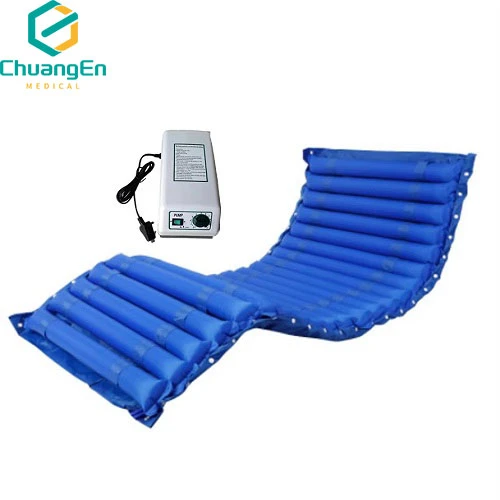
In simple terms, an air cell mattress is a bedding system composed of multiple interconnected air chambers or cells. These cells can be individually inflated or deflated to distribute weight evenly, minimizing pressure points. This design helps prevent skin breakdown, commonly seen in patients confined to beds for long periods.
Beyond hospital wards, air cell mattresses have found their place in disaster relief and even luxury travel, showing just how versatile this technology is. At its core, it’s about combining therapeutic benefits with practical deployment.
Core Features That Make the Air Cell Mattress Stand Out
- Durability: Made from tough, puncture-resistant materials like PVC or TPU, these mattresses can withstand repeated use and harsh conditions.
- Pressure Redistribution: By adjusting air distribution, it optimizes comfort and reduces the risk of pressure ulcers.
- Portability & Scalability: Many models are lightweight and easily foldable, facilitating quick transport in emergencies.
- Hygiene & Maintenance: Anti-microbial coatings and waterproof surfaces make cleaning straightforward, crucial in healthcare settings.
- Customization: Some advanced systems offer zoned pressure controls tailored for individual patient needs.
- Cost Efficiency: Though initial prices might be higher than standard mattresses, the long-term savings from reduced treatment complications make them economical.
Mini takeaway: These core elements blend therapeutic technology with practical design — it's a smart investment beyond face value.
Bringing Air Cell Mattresses to the World: Real Applications
Regions prone to conflict or natural disasters, such as Southeast Asia or parts of Africa, have increasingly adopted air cell mattresses for rapid deployment. Relief agencies, NGOs, and even military medical units use them to set up temporary healthcare facilities efficiently. In remote industrial zones, workers with limited access to advanced healthcare benefit as well.
For example, during the 2020 cyclone relief in Bangladesh, air cell mattresses were distributed to clinics supporting displaced people, helping reduce secondary complications from prolonged immobilization. Hospitals in developed countries rely on them daily, especially in intensive care units, to prevent bedsores.
Product Specification Table
| Specification | Typical Value | Notes |
|---|---|---|
| Material | Medical-grade PVC / TPU | Durable and waterproof |
| Weight capacity | 150-200 kg | Supports most adults |
| Cell Count | 12-18 cells | Interconnected air chambers |
| Cycle Time | 8-12 minutes per inflation cycle | Adjustable air pressure timing |
| Dimensions | 200 x 90 x 15 cm | Standard adult size |
| Weight | Approx. 3.5 kg | Light and portable |
Advantages That Keep Professionals Coming Back
- Cost savings: Less treatment time for ulcers means less overall medical expense.
- Sustainability: Some newer models use recyclable materials and energy-efficient pumps.
- Emotional comfort: Patients often report feeling better supported and safer.
- Improved infection control: Easy cleaning and antimicrobial features protect vulnerable patients.
Plus, there's something inherently reassuring about a mattress that actively cares for you rather than just supporting you.
Looking Ahead: The Next Wave of Air Cell Mattress Technology
Emerging trends include integrating smart sensors to monitor patient movement and adjust pressure dynamically in real time. Also, manufacturers are exploring biodegradable materials, combining sustainability with functionality — which frankly, is the future we all want. Automation in inflation systems promises less noise and faster response.
These innovations echo a broader shift toward personalized healthcare and green product design, reinforced by ISO standards on medical device safety and sustainability.
Challenges & How Experts Are Tackling Them
Some hurdles remain. Not everyone can afford state-of-the-art mattresses, and some designs can be noisy or require electricity, which isn't always reliable in remote or disaster settings. However, hybrid designs with manual pumps and solar-powered options are gaining traction. Also, educating caregivers on proper use prevents common misuse errors.
Innovators keep finding new ways to make these mattresses lighter, cheaper, and smarter, proving the technology’s resilience.
FAQ: Air Cell Mattress Insights
- Q: How long does an air cell mattress typically last in hospital use?
- A: With regular maintenance and proper use, these mattresses can last 2 to 5 years. Durability depends on materials and care routines.
- Q: Are air cell mattresses suitable for home care?
- A: Absolutely. Many models are designed for both clinical and home settings, especially for patients at risk of pressure ulcers.
- Q: Can air cell mattresses be used without electricity?
- A: Some types can be manually inflated, but most advanced models require continuous power. Solar or battery backup kits are options in off-grid areas.
- Q: How do these mattresses compare cost-wise to foam mattresses?
- A: Initial costs are higher, but when factoring in reduced complications, shorter hospital stays, and improved patient outcomes, they're often more economical long-term.
- Q: Where can I find certified air cell mattresses for humanitarian use?
- A: Reputable suppliers like Chuangen Medical specialize in certified, tested products catering to global relief efforts.
Vendor Comparison Table
| Vendor | Product Range | Price Range (USD) | Unique Selling Point |
|---|---|---|---|
| Chuangen Medical | Standard, Adjustable, Portable | $180 - $400 | ISO certified, Global relief focus |
| MediAir Solutions | Premium hospital-grade models | $350 - $700 | Smart Pressure Monitoring Tech |
| ReliefTech Corp | Portable & Manual Pump versions | $120 - $300 | Solar-Powered Options |
Wrapping Up: Why the Air Cell Mattress Is More Than Just Bedding
Simply put, an air cell mattress represents a smart fusion of technology and compassion — from preventing debilitating bedsores to empowering caregivers worldwide. It’s about dignity in care, sustainability in design, and innovation that meets real needs. For anyone looking to improve patient comfort, or prepare for emergencies with reliable sleeping solutions, this technology is worth a closer look. Explore more about these life-changing products at Chuangen Medical — you might just find the perfect fit for your next project or care facility.
Mini takeaway: The future of bedding is smart, adaptable, and globally conscious — and the air cell mattress is leading the way.