Why Air Mattress Pads for Hospital Beds Matter Globally
If you've ever visited a hospital or cared for someone at home, you'd appreciate how crucial a good mattress is for comfort and healing. Now, imagine the stakes when it comes to patients confined to hospital beds for prolonged periods. That’s precisely where the air mattress pad for hospital bed plays a vital role. These specialized pads aren’t just about comfort—they’re lifesavers in preventing bedsores and improving patient outcomes globally.
According to the World Health Organization, pressure ulcers affect nearly one in ten hospitalized patients worldwide, leading to extended stays and increased treatment costs. Clearly, understanding these air mattress pads opens doors to better healthcare delivery, especially with aging populations and the rise of chronic diseases across continents.
Setting the Global Stage: Why Air Mattress Pads Are More Than Just Comfort
Consider the sheer scale: The UN projects that by 2050, 16% of the global population will be over 65. And with that shift comes an uptick in prolonged bed rest due to illness or recovery periods. Hospitals in both developed urban centers and rural areas face the dilemma of providing quality care without skyrocketing costs. Here, the humble air mattress pad for hospital bed arrives as a silent hero.
Data from the International Organization for Standardization (ISO) indicates that pressure ulcer prevention technologies can reduce treatment costs by up to 50%. However, many facilities still grapple with outdated bedding that doesn’t adapt or relieve pressure adequately. The challenge? Making such innovations affordable, durable, and portable for all healthcare settings globally.
What Exactly Is an Air Mattress Pad for Hospital Bed?
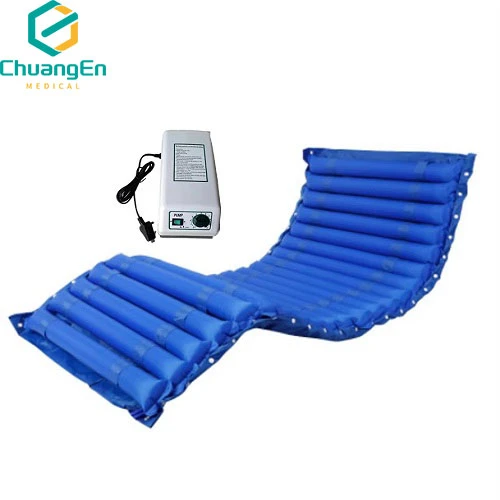
Break it down simply: An air mattress pad for hospital bed is a specially designed overlay that fits onto a traditional hospital bed mattress. Instead of traditional foam or spring constructions, it uses air-filled cells or chambers to distribute body weight evenly, reducing pressure points on the skin.
These pads often come with pumps—either continuous low-pressure or alternating pressure—to keep airflow consistent. This innovation is especially critical for patients at risk of pressure ulcers or those who require long-term immobilization. Beyond hospitals, they're becoming staples in eldercare homes, rehabilitation centers, and even home healthcare environments.
Key Components of Air Mattress Pads for Hospital Beds
1. Durability and Material Quality
These pads need to withstand continuous use, cleaning, and disinfection. Most are made from antimicrobial, medical-grade PVC or polyurethane blends, which provide flexibility and resistance to tears.
2. Pressure Regulation Technology
Whether through alternating pressure cells or constant low-pressure systems, this tech ensures proper circulation and reduces skin breakdown risks.
3. Ease of Use and Portability
Nurses and caregivers often praise models that are lightweight, have intuitive controls, and can be easily cleaned or transported between wards.
4. Customizability
Adjusting air pressure based on patient weight, condition, and comfort levels adds a valuable layer of personalization—something many companies are investing in.
5. Cost Efficiency
Upfront costs can look intimidating but must be weighed against long-term savings in treatment costs, patient recovery time, and reduced hospital stays.
Global Use Cases: Where and How These Pads Save Lives
From sprawling cities in Europe to remote clinics in Southeast Asia, air mattress pads for hospital beds are making a difference. In disaster relief zones—think earthquakes or floods—these pads act as crucial equipment in field hospitals where infrastructure is limited but patient care is critical.
Similarly, in industrial regions with aging workforces such as Germany or Japan, long-term care facilities heavily rely on these pads to improve patients’ quality of life.
Even military hospitals and rehabilitation centers in North America increasingly integrate air mattress pads into their protocols, reflecting a growing acknowledgment of their health benefits.
Mini takeaway:
- They’re indispensable in both everyday healthcare and extraordinary conditions.
- A cross-continental solution addressing a common medical issue.
Advantages & Long-Term Value of Air Mattress Pads for Hospital Beds
It's rare that a product fits the emotional, practical, and economic realms the way these pads do. Clinically, they mitigate the trauma of pressure ulcers, reducing patient pain and infection risks. The dignity afforded by fewer wounds or discomfort is hard to quantify but immensely important.
Financially, hospitals report reductions in care costs and patient turnover times. Many caregivers testify that the pads simplify routine patient handling and reduce workload strains.
And from a sustainability standpoint? More manufacturers are now focusing on recyclable materials and energy-efficient pumps – small but noteworthy steps in medical sustainability efforts.
Product Specification Table
| Specification | Typical Range |
|---|---|
| Material | Medical-grade PVC / Polyurethane |
| Pressure Settings | 20–60 mmHg adjustable |
| Pump Type | Alternating & Continuous Low Pressure |
| Weight Capacity | Up to 250 kg (550 lbs) |
| Dimensions | 190cm x 90cm (standard hospital bed size) |
| Cleaning | Water resistant, easily sanitized |
How Do Vendors Compare?
Naturally, not all air mattress pads are created equal. Here's a quick rundown of three notable providers, based on industry feedback, durability, and price.
| Vendor | Durability | Price Range | Customization | Support & Warranty |
|---|---|---|---|---|
| ChuangEn Medical | High (medical grade materials) | $$$ | Adjustable pumps & size options | 3 years comprehensive warranty |
| MedAir Solutions | Medium | $$ | Limited pressure modes | 2 years limited warranty |
| SafeSleep Technologies | High | $$$$ | Full custom design | 5 years premium warranty |
Looking Ahead: Innovations on the Horizon
Interesting times are ahead. The integration of digital sensors that adjust pressure intelligently based on patient movement is already underway. Soon, hospitals might use IoT-enabled pads connected to patient monitoring systems, providing alerts to nurses about changes in pressure zones.
Material science is pushing toward biodegradable and more breathable compounds, dramatically increasing sustainability. And some vendors are experimenting with noiseless pumps powered by low-voltage batteries to enhance patient comfort and mobility.
Challenges and How to Overcome Them
Of course, it’s not all smooth sailing. Cost remains a sticking point for many healthcare providers, especially in under-resourced regions. Plus, maintenance and potential pump failures can compromise efficacy.
But some solutions are emerging: leasing programs to reduce upfront investment; modular designs that allow for easy replacement of parts; and comprehensive training for healthcare workers on proper use and upkeep.
FAQ: Quick Answers About Air Mattress Pads for Hospital Beds
- Q1: How often should air mattress pads be cleaned?
- A1: Cleaning should occur after every patient discharge using hospital-grade disinfectants. Regular checks for punctures or leaks also keep the pads safe and effective.
- Q2: Can these pads be used for home healthcare patients?
- A2: Absolutely. Many designs are portable and include quiet pumps, making them perfect for home use to prevent sores and enhance comfort.
- Q3: Are air mattress pads compatible with all hospital beds?
- A3: Most pads fit standard hospital beds, but it’s best to verify dimensions and pumping system compatibility before purchase.
- Q4: What is the typical lifespan of an air mattress pad?
- A4: Depending on use and care, they can last anywhere from 3 to 5 years. Regular maintenance prolongs lifespan significantly.
Wrapping Up: Why This Technology Is Worth It
At the end of the day, investing in a quality air mattress pad for hospital bed isn’t just about buying a product—it’s about enhancing human dignity, improving patient care, and making healthcare more sustainable globally. If you’re considering upgrading your facility’s bedding or caring for someone long-term, it’s worth checking out the options.
For a closer look at reliable air mattress solutions and product support, visit air mattress pad for hospital bed.
References:
1. WHO Pressure Ulcers Fact Sheet
2. ISO Medical Device Standards
3. United Nations, World Population Prospects (2019 Revision)