Understanding the Gel Mattress for Pressure Sores: A Vital Innovation in Patient Care
Pressure sores, also known as bedsores or pressure ulcers, are a persistent problem in healthcare worldwide. They mainly affect patients confined to beds or wheelchairs for extended periods, leading to serious complications. Enter the gel mattress for pressure sores, a specialized solution designed to alleviate pressure points and improve skin integrity. But why does this mattress matter on a global scale, and what makes it indispensable for both healthcare providers and patients? Let’s unpack the topic.
Introduction: The Global Challenge of Pressure Sores
Pressure sores affect millions yearly; the World Health Organization estimates up to 10% of hospitalized patients worldwide suffer from them at some point. The impact isn’t just medical but economic — treating pressure ulcers costs billions annually in extra hospital stays and care. As global populations age and mobility challenges rise, so does the need for effective prevention methods. Gel mattresses for pressure sores have emerged as a practical, evidence-backed innovation to reduce risks and improve patient comfort. Oddly enough, despite being such a straightforward concept, adoption rates vary widely, often due to cost or lack of awareness.
What Is a Gel Mattress for Pressure Sores?
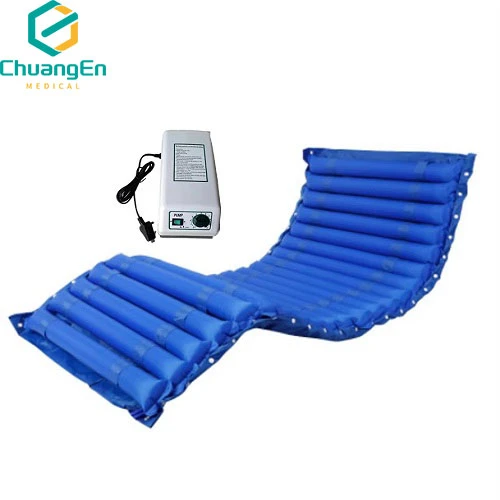
At its core, a gel mattress designed for pressure sores incorporates viscoelastic gel materials that evenly distribute a patient’s body weight, minimizing the focal pressure points that cause ulcerations. Unlike traditional foam or spring mattresses, gel mattresses conform more dynamically to body contours while allowing airflow, which helps regulate temperature and skin moisture. It’s a shift from simply “soft” to scientifically engineered surfaces that actively participate in patient care. In real terms, it bridges technology and humanity — improving quality of life for bedridden patients worldwide.
Key Factors in Gel Mattress Design and Performance
1. Pressure Redistribution
The fundamental purpose is to reduce peak pressure zones, especially over bony prominences like heels and tailbones. Gel layers move slightly under weight, dispersing forces evenly and lowering tissue breakdown risk.
2. Temperature and Moisture Control
Heat and sweat buildup can exacerbate skin deterioration. Many gel mattresses incorporate breathable layers or open-cell gel structures to keep skin dry and cool. This aspect is often overlooked but crucial.
3. Durability and Maintenance
Healthcare settings demand mattresses that withstand routine cleaning, disinfecting, and extended use without degrading. High-grade gel components combined with reinforced covers create a long-lasting product that justifies its upfront cost.
4. Cost Efficiency
While gel mattresses typically cost more than standard hospital mattresses, their ability to prevent costly pressure sores means savings in the long run. Some facilities shy away from initial expenses, but evidence supports their value over time.
5. Patient Comfort and Mobility
Comfort matters—it directly affects compliance and mobility. Some gel mattresses, especially hybrid models paired with memory foam, enable better repositioning and reduce pain, contributing to overall well-being.
Global Applications and Where Gel Mattresses Make a Difference
This technology finds use in hospitals, nursing homes, rehabilitation centers, and even in home care where chronic immobility is prevalent. Regions like North America and Europe have widely adopted gel mattress solutions, especially in intensive care units. Conversely, in low- and middle-income countries, access is often more limited, sometimes replaced by less effective traditional methods.
Organizations like Doctors Without Borders employ gel mattresses in field hospitals during humanitarian crises to prevent pressure ulcers among vulnerable displaced populations. In aged care facilities across Japan and Scandinavia, the mattresses support the dignity and safety of elderly residents. Even in remote industrial zones with onsite medical facilities, such mattresses improve recovery outcomes for injured workers.
Mini Takeaway:
- Gel mattresses alleviate pressure, control temperature, and improve patient comfort.
- They are globally relevant, especially in aging populations and humanitarian aid.
Advantages and Long-Term Value of Gel Mattresses for Pressure Sores
Beyond clinical benefits, the emotional and social impacts are significant. Patients experience reduced pain and greater dignity through improved skin health. Families and caregivers gain peace of mind knowing that a layer of proactive protection is in place. Logically, healthcare systems save money by minimizing ulcer treatment costs and hospital stays.
Environmentally, many modern gel mattresses incorporate recyclable materials and durable construction, shortening replacement cycles and reducing waste. Innovation in design—like modular gel pads—also adds versatility and ease of repair.
Spec Table: Typical Gel Mattress for Pressure Sores
| Specification | Description |
|---|---|
| Material | Viscoelastic gel with waterproof, breathable cover |
| Thickness | 5 - 8 inches (varies by model) |
| Weight Capacity | Up to 350 lbs (160 kg) |
| Pressure Relief | Reduces peak pressure by up to 30% |
| Cleaning | Water-resistant, wipeable, antimicrobial surface |
| Warranty | 3 - 5 years |
Vendor Comparison: Leading Gel Mattress Suppliers
| Feature | Company A | Company B | Company C |
|---|---|---|---|
| Price Range | $800 - $1,200 | $900 - $1,300 | $750 - $1,100 |
| Warranty | 5 years | 3 years | 4 years |
| Breathability Score | High | Medium | High |
| Mobility Support | Excellent | Good | Very Good |
| User Reviews | 4.7 / 5 | 4.2 / 5 | 4.5 / 5 |
Future Trends and Innovations
Looking ahead, the gel mattress for pressure sores isn’t standing still. Innovations include integrating smart sensors to monitor pressure points and patient movement in real time, thereby enabling caregivers to adjust support dynamically. Bio-based and fully recyclable gels signal increased sustainability — an important factor as healthcare goes green. There’s also growing interest in modular mattresses, where individual gel cells can be replaced or adjusted per patient needs. These trends make me hopeful — it’s like the mattress itself becomes part of a connected ecosystem of care.
Challenges and Possible Solutions
Of course, there are hurdles. Initial costs remain a barrier for underfunded facilities, especially in developing regions. Maintenance requires staff training to ensure mattress integrity isn’t compromised. Sometimes, gel mattresses can feel heavier or trickier to maneuver, complicating patient handling.
Solutions? Renting or leasing programs can reduce upfront financial burdens. Training modules now commonly accompany new equipment purchases. Lightweight composite gels are in development to solve weight issues without sacrificing durability. Additionally, alliances between manufacturers and NGOs promote wider distribution in low-resource settings.
Frequently Asked Questions About Gel Mattress for Pressure Sores
- Q1: How does a gel mattress compare to foam mattresses for pressure sore prevention?
- A gel mattress typically provides superior pressure redistribution by molding to the body’s contours more effectively. Foam can compress unevenly over time, reducing effectiveness. Gel surfaces also tend to have better temperature control, which helps maintain healthy skin conditions.
- Q2: Can gel mattresses be used for all patients at risk of pressure sores?
- While gel mattresses are highly effective, patient-specific factors—like weight, mobility, and skin condition—should guide selection. In some cases, hybrid systems combining foam and gel layers offer customizable solutions.
- Q3: How long do gel mattresses last under typical clinical use?
- With proper care, good-quality gel mattresses last 3 to 5 years. Their waterproof and antimicrobial covers also extend lifespan by protecting the gel core from contamination.
- Q4: Are gel mattresses easy to clean and maintain?
- Most feature waterproof and wipeable covers treated with antimicrobial agents. Regular cleaning with approved solutions is straightforward, making them suitable for infection control protocols.
- Q5: Where can healthcare providers learn more or purchase these mattresses?
- Suppliers, hospitals, and medical equipment providers often offer product demos and training. For trusted models, you can visit Chuangan Medical — a reputable source specializing in gel mattresses for pressure sores.
Conclusion
Gel mattresses for pressure sores offer far more than just comfort—they embody a practical solution addressing a global health challenge. Their ability to reduce pressure points, control temperature, and maintain durability makes them a worthy investment for healthcare facilities worldwide. Frankly, in a world increasingly focused on patient safety and dignity, this is an innovation we can’t overlook.
If you want to explore gel mattress options or understand how they fit into your care protocols, visit our website for comprehensive information and expert guidance.
Remember: investing in prevention saves lives and resources—it's as simple as that.
Mini Takeaway:
- Gel mattresses enhance patient outcomes and comfort by addressing pressure sores directly.
- They combine technology, practicality, and sustainability for durable healthcare solutions.
- Look for trusted suppliers and consider total cost of care, not just upfront price.
References:
1. World Health Organization. Pressure ulcers fact sheet
2. International Organization for Standardization (ISO). ISO 16840-2: Wheelchair seating Part 2: Determination of physical and mechanical properties of seat cushions
3. National Pressure Ulcer Advisory Panel (NPUAP). Pressure injury prevention guidelines