Understanding the High Air Loss Mattress: What It Is and Why It Matters Globally
If you’ve ever cared for someone with limited mobility or sensitive skin, you might have come across the term high air loss mattress. But what exactly makes these mattresses special, and why do they matter not just in healthcare facilities but across the globe? Frankly, this technology addresses serious challenges faced by patients at risk of developing pressure ulcers—something the World Health Organization estimates affects up to 10% of hospitalized patients worldwide. Learning about high air loss mattresses is important because they improve patient comfort, reduce costly complications, and support caregivers in delivering safer care. So, let’s unpack their significance together.
Global Context: Why High Air Loss Mattresses Are More Relevant Now Than Ever
According to recent global health data, aging populations and increased chronic illness mean bedsore prevention is more critical than before. The UN’s demographic projections show the number of people over 60 will double by 2050, many requiring specialized support to maintain skin integrity. Across regions—from developed hospitals in Europe to rural clinics in Asia—high air loss mattresses help reduce hospital stays and improve survival rates. They’re not just a niche luxury; they’re urgent healthcare tools addressing a problem affecting millions.
Defining the High Air Loss Mattress
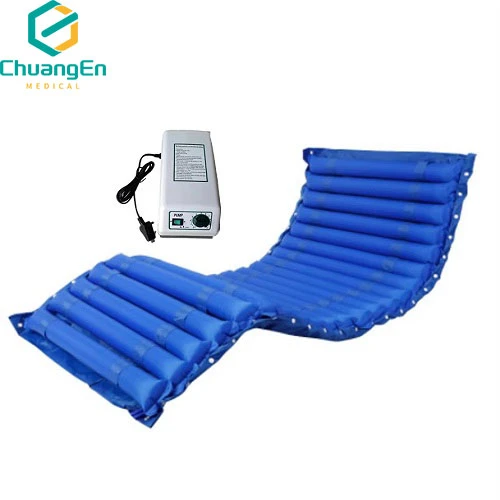
In simple terms, a high air loss mattress is a medical bed system designed to continuously circulate air through a porous surface. This airflow helps evaporate moisture and lowers skin temperature, significantly reducing the risk of pressure sores and skin maceration. Often combined with alternating pressure technologies, these mattresses use advanced pumps and air cells to enhance comfort and healing. Their design bridges medicine, engineering, and even humanitarian health needs, supporting patients who are immobilized or bedridden from injury or surgery.
Key Components of High Air Loss Mattresses
1. Air Circulation Technology
The heart of these mattresses is a blower system that moves large volumes of air uniformly. This not only improves moisture vapor loss but creates a gentle 'air cushion' effect, ensuring no spot holds excessive pressure.
2. Material Durability
Materials must be tough yet breathable—usually a blend of polyurethane-coated fabrics that resist tears and allow airflow. Durability is essential for long-term hospital use where repeated cleaning and medical biohazard precautions apply.
3. Pressure Redistribution
High air loss mattresses redistribute pressure dynamically. By constantly moving air, they prevent sustained pressure on any one area, which is crucial for ulcer prevention.
4. Ease of Maintenance
With removable covers and washable components, these mattresses are designed for infection control and ease of cleaning, meeting strict hospital standards.
5. User Control Features
Caregivers can adjust air flow rates according to patient needs, providing personalized care in a way rigid mattresses can’t offer.
Mini Takeaway:
The high air loss mattress is a blend of airflow tech, durable materials, and user-centric features that make real-world clinical care safer and more effective.
Global Applications & Use Cases
These mattresses find a home in settings as diverse as intensive care units in the U.S., hospice centers in Europe, and emergency medical camps in disaster-stricken Asia. For example, during post-disaster relief operations—where hospitals are often makeshift and resources scarce—the ability to prevent infections and pressure ulcers is a lifesaver. Organizations like Doctors Without Borders rely heavily on equipment like these to improve outcomes in temporary clinics. In industrialized countries, rehabilitation centers employ them for spinal cord injury patients who spend extended periods in bed. Oddly enough, even remote mining camps in Australia use high air loss mattresses to cut down on injury-related medical evacuations.
Advantages & Long-Term Value
- Cost Efficiency: Though the initial investment may seem high, fewer infections and pressure ulcers translate to shorter hospital stays and lower overall treatment costs.
- Sustainability: Many manufacturers are now integrating recyclable materials and energy-efficient blowers.
- Social Impact: Patients maintain dignity and comfort, reducing anxiety and speeding recovery.
- Reliability: Designed for continuous operation, these mattresses withstand heavy use and strict hygiene requirements.
Product Specification Table
| Specification | Details |
|---|---|
| Airflow Rate | Up to 50 CFM (cubic feet per minute) |
| Material | PU-coated nylon, antimicrobial |
| Weight Capacity | Up to 300 kg (660 lbs) |
| Pump Noise Level | Less than 40 dB |
| Adjustability | Variable airflow settings (3 modes) |
Vendor Comparison Table
| Feature | Vendor A | Vendor B | Vendor C |
|---|---|---|---|
| Price (USD) | $1,800 | $2,200 | $1,650 |
| Warranty | 3 Years | 5 Years | 2 Years |
| Power Consumption | 45W | 50W | 40W |
| Noise Level | 39 dB | 42 dB | 38 dB |
| Portability | Yes | No | Yes |
Emerging Trends & Innovations
Looking ahead, the future of high air loss mattresses is quite exciting. Manufacturers are incorporating smart sensors that monitor patient movement and skin moisture, adjusting airflow dynamically in real-time—a sort of digital guardian. Also, the push toward greener healthcare means these products increasingly use sustainable materials and low-energy pumps. For example, some models now use solar-powered backup systems for disaster zones where electricity is unreliable. Add 3D-printed components and antimicrobial coatings to the mix, and you have a product evolving with the times and needs in mind.
Challenges & Solutions
That said, high air loss mattresses are not without their challenges. Cost barriers still exist; not every care center can afford premium units. Additionally, pump noise can disturb some patients, although newer designs have tackled this effectively. Another issue is maintenance in remote settings where spare parts and technical expertise may be lacking. Solutions include modular designs for easier part replacement and training programs for local caregivers—approaches that several NGOs actively support.
FAQs About High Air Loss Mattresses
- Q: How does a high air loss mattress differ from a regular hospital mattress?
A: It uses continuous airflow through specialized surfaces to reduce skin moisture and pressure build-up, preventing pressure ulcers—something standard mattresses can’t do. - Q: Are these mattresses suitable for all patients?
A: While ideal for those with limited mobility or skin risk, they might be less necessary for fully ambulatory patients. Always consult healthcare providers for best use. - Q: Can these mattresses be used at home?
A: Yes, many portable models are designed for homecare, improving patient comfort outside hospital walls. - Q: How often should the mattress cover be cleaned?
A: Covers should be cleaned according to hospital or caregiver guidelines, often after each patient discharge or weekly for home use. - Q: Is repair expensive and complicated?
A: Repairs vary by model, but many vendors provide modular parts to keep costs manageable.
Conclusion and Call to Action
Altogether, investing in a high air loss mattress means investing in improved patient outcomes, dignity, and long-term healthcare savings. As populations age and healthcare challenges grow, these mattresses answer a vital need for comfort and protection. If you’re exploring options or want to learn more, don’t hesitate to visit our website for detailed info on the latest models and technology. After all, better rest leads to better healing.
Quick takeaway: High air loss mattresses might sound like specialized tech, but their real-world impact is human, practical, and increasingly global.