Understanding the Importance of Hospital Beds for Pressure Ulcers
Pressure ulcers, sometimes known as bedsores, remain a significant challenge in patient care worldwide, especially in hospitals and long-term care facilities. That’s where a hospital bed for pressure ulcer prevention and treatment comes into play. These specialized beds help reduce pressure points on the body, promoting healing and preventing wounds that can cause serious complications. Globally, pressure ulcers affect millions, driving up healthcare costs and impacting patients’ quality of life. So, understanding how hospital beds designed for pressure ulcers function isn’t just a clinical concern — it’s a crucial healthcare innovation saving lives and costs alike.
Global Context: Why Hospital Beds for Pressure Ulcers Matter
Over 2.5 million patients develop pressure ulcers annually just in the U.S., according to the Agency for Healthcare Research and Quality, while the World Health Organization highlights that pressure ulcers are a marker of healthcare quality worldwide. The UN’s Sustainable Development Goals emphasize improving healthcare access and quality, of which reducing pressure ulcers is a critical part. The challenge hospitals face is immense — prolonged immobility in aging populations, post-operative patients, and chronic illness sufferers all escalate the risk. Pressure ulcers not only prolong hospital stays but increase infection rates and mortality risks. That makes the role of advanced hospital beds designed to alleviate this pressure absolutely vital.
What Exactly Is a Hospital Bed for Pressure Ulcer?
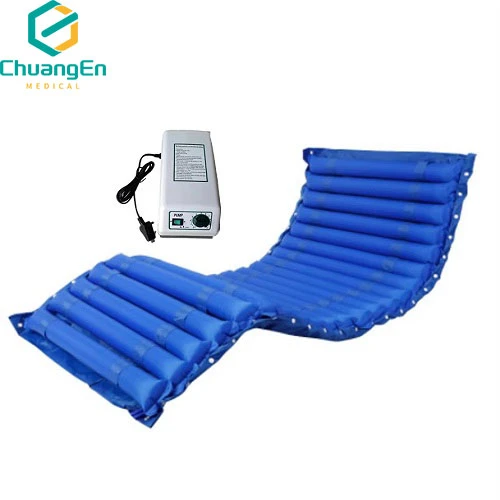
Simply put, a hospital bed for pressure ulcer is a medical bed engineered to prevent or treat skin breakdown caused by prolonged pressure. These beds use specialized surfaces—like alternating pressure mattresses, low-air-loss systems, or foam overlays—that distribute body weight more evenly. The concept directly ties into healthcare needs by offering patients better comfort, reducing tissue ischemia, and ultimately accelerating recovery.
In modern healthcare and humanitarian responses, these beds are fundamental. Whether it’s a hospital ward, hospice, or a field clinic after natural disasters, having the right bed can mean the difference between rapid healing and dreadful, expensive complications.
Key Features of Hospital Beds Designed for Pressure Ulcer Prevention
1. Pressure Redistribution Technology
Whether it’s alternating pressure or constant low-pressure, technology reduces localized skin stress, allowing blood flow to return and tissues to heal. This feature is arguably the heart of such beds.
2. Material Durability and Hygiene
These beds must endure constant use without degrading, while being easy to clean and disinfect. Waterproof, antimicrobial mattress covers are common to reduce infection risk.
3. Adjustable Support and Positioning
Adjustability in height, incline, and lateral tilt allows caregivers to reposition patients easily, promoting circulation and comfort — something as simple as changing angles can drastically reduce pressure ulcer risk.
4. Cost Efficiency
Hospitals need solutions that balance cutting-edge tech with affordability. Some models are designed with modular parts to simplify repairs and replacements, ensuring steady performance without breaking budgets.
5. Patient Safety Features
Beyond pressure relief, features like side rails, fall alarms, and easy-to-use controls enhance patient safety—important for vulnerable populations prone to injury.
6. Portability and Scalability
Especially in disasters or mobile clinics, beds need to be moved or set up quickly. Lightweight frames and compact designs support this need.
Hospital Beds for Pressure Ulcers in Global Healthcare Settings
From sprawling urban hospitals in Europe to remote rural clinics in Southeast Asia, the application varies but the core goal remains: prevent pressure ulcers. In developed countries, these beds often come equipped with digital monitoring to alert staff when patients need repositioning. In humanitarian contexts, such as disaster relief zones or refugee camps, easily deployable pressure-reducing beds are invaluable.
A good example: post-hurricane field hospitals in the Caribbean rely on low-air-loss beds to prevent pressure ulcers amid chaotic conditions where patient turnover is high and mobility is limited. Meanwhile, geriatric wards in Japan use smart hospital beds to support aging populations at higher risk.
Advantages and Long-Term Value of Pressure Ulcer Hospital Beds
- Cost Savings: Fewer pressure ulcers mean lower treatment costs and shorter hospital stays.
- Sustainability: Durable materials and modular components reduce waste and the environmental footprint.
- Patient Comfort and Dignity: Reducing pain and discomfort enhances mental well-being, fostering quicker recovery.
- Improved Outcomes: These beds help healthcare providers meet quality care standards and regulatory requirements.
Emotionally, it’s huge for patients and families — there’s dignity in alleviating needless suffering. Logically, hospitals save resources, making the investment worthwhile.
Future Trends and Innovations in Hospital Beds for Pressure Ulcers
We’re seeing exciting leaps in smart materials that adapt dynamically to pressure points, embedded sensors monitoring skin integrity in real time, and AI-powered analytics predicting ulcer risk before it manifests. Environmentally, biodegradable mattress covers and solar-powered bed adjustments are entering trials, reflecting growing sustainability concerns.
Digital transformation continues reshaping patient care: telemedicine-integrated beds allow remote monitoring by specialists, drastically improving care in under-resourced areas. Frankly, this kind of innovation signals a future where pressure ulcers might become far less common.
Challenges and Practical Solutions
Of course, challenges persist. Cost still limits access in less wealthy regions; maintenance requires technical knowledge; and some patients find certain surfaces uncomfortable. To counteract this, hybrid beds with customizable surfaces and intensive staff training programs are proving effective. NGOs and governments increasingly collaborate to subsidize costs and promote standardized care protocols.
Frequently Asked Questions About Hospital Beds for Pressure Ulcer
- Q: How do pressure-relieving hospital beds differ from regular hospital beds?
A: Pressure-relieving beds use specialized surfaces like alternating pressure or low-air-loss mattresses to redistribute weight and prevent skin breakdown. Regular beds lack these technologies, increasing ulcer risk. - Q: Are hospital beds for pressure ulcers expensive to maintain?
A: While initial costs can be higher, many models have modular parts making repairs easier and more affordable over time. Plus, preventing ulcers reduces overall treatment expenses. - Q: Can these beds be used outside hospitals?
A: Absolutely. Many are designed for home care, hospices, or emergency field hospitals, offering vital support wherever patients need them. - Q: What materials are best for pressure ulcer mattresses?
A: Common materials include high-density foam, air bladders for alternating pressure, and low-air-loss systems with breathable covers that reduce moisture buildup, enhancing skin health. - Q: How can hospitals train staff to use these beds effectively?
A: Comprehensive training programs focusing on bed operation, patient repositioning, and maintenance are essential. Many manufacturers offer tutorials and support materials.
Product Specification Table: Typical Hospital Bed for Pressure Ulcer
| Feature | Specification |
|---|---|
| Mattress Type | Alternating Pressure or Low-Air-Loss |
| Frame Material | Powder-Coated Steel or Aluminum |
| Adjustability | Height, Backrest, Leg Rest, Tilt |
| Weight Capacity | Up to 250 kg (550 lbs) |
| Safety Features | Side Rails, Emergency Stop, Fall Alarms |
| Power Source | AC Power (Battery Backup Optional) |
Vendor Comparison Table: Leading Hospital Beds for Pressure Ulcer
| Vendor | Price Range | Key Features | Warranty |
|---|---|---|---|
| Chuangen Medical | $$$ | Advanced pressure redistribution, antimicrobial mattress, smart sensors integration | 5 years |
| Medline | $$ | Basic low-air-loss system, durable frame, easy maintenance | 3 years |
| Hill-Rom | $$$$ | Fully electric frame, integrated patient monitoring, customizable mattress options | 5 years |
Overall, specialized hospital beds for pressure ulcers remain a vital investment in healthcare that pays dividends through better patient outcomes and cost savings.
Interested to learn more about tailored hospital bed options? Visit hospital bed for pressure ulcer supplies and innovations.
Oddly enough, despite the tech advancements, a lot still comes down to good caregiving and timely repositioning — the bed supports, but people provide the healing touch.
References: