Understanding the Role of Air Beds in Preventing Bed Sores: Why It Matters
If you’ve ever cared for someone immobile, you know the fear of bed sores—or pressure ulcers—is very real. These nasty wounds can develop quickly, especially when patients spend long hours or days in bed. Enter the air bed for bed sores patient: a specialized medical mattress designed to reduce these risks by managing pressure points effectively. Globally, pressure ulcers affect millions of patients, particularly the elderly and those with limited mobility, leading to longer hospital stays, increased healthcare costs, and sadly, a lower quality of life. The World Health Organization estimates that about 10% of hospitalized patients worldwide experience pressure ulcers. So, understanding how air beds help prevent these is more than just niche medical info—it’s a global health imperative. ---Why Does the World Need Specialized Air Beds for Bed Sores?
Around the world, populations are aging rapidly. The UN’s “World Population Prospects 2022” report highlights that people aged 65 and over will nearly double by 2050. More elderly people equals more patients at risk of pressure ulcers. Plus, chronic conditions like diabetes also raise risk factors. Hospitals, long-term care facilities, and home caregivers face an uphill battle. Pressure ulcers not only cause pain but can lead to serious infections, sometimes even sepsis. The healthcare costs can be staggering; for instance, the National Pressure Ulcer Advisory Panel estimates a single ulcer can add thousands of dollars to treatment. Specialized air beds help reduce this burden. They redistribute pressure, improve circulation, and offer comfort—especially for patients confined to bed. They bridge the gap between modern medical technology and compassionate care. ---What Exactly is an Air Bed for Bed Sores Patient?
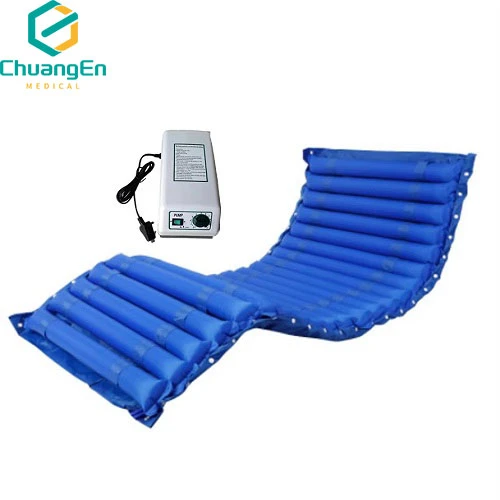
Imagine a mattress pumped with air chambers that adjust pressure points dynamically—pressures shift gently under the patient’s body, reducing prolonged stress on any one area. That’s essentially what an air bed for bed sores patient does. Unlike regular mattresses, these air beds are designed with multiple interlocking cells or bubbles. Depending on the model, they either cycle inflation and deflation regularly (alternating pressure) or maintain a continuous low-pressure environment. Hospitals and home care settings use them to support skin health and prevent ulcers. They’re not just comfy beds; they’re active medical devices, part of comprehensive wound prevention plans recommended by official bodies like the European Pressure Ulcer Advisory Panel (EPUAP). ---Core Components You’ll Find in a Quality Air Bed for Bed Sores Patients
1. Dynamic Pressure Redistribution
The heart of the technology. By continuously varying pressure, the bed prevents constant load on vulnerable skin areas.2. Adjustable Firmness Settings
Patients differ—some need softer support, others firmer. Quality models allow caregivers to tweak settings for personalized care.3. Durable, Medical-Grade Materials
Air beds must withstand long-term use without leaks, bacterial growth, or tears. Materials are often waterproof and antimicrobial.4. Easy Maintenance and Cleaning
Hygiene is super important, so removable covers and straightforward cleaning protocols often come standard.5. Patient Safety Features
Anti-slip surfaces, pressure alarms, and quick deflate options are crucial for real-world use.6. Portability and Power Efficiency
Some air beds are battery-powered or easy to move, helping out in home care or field medical operations. ---Where Are Air Beds for Bed Sores Patients Making a Difference?
These specialized air beds find homes across multiple settings: - Hospitals and Long-Term Care Facilities: The front line of ulcer prevention. - Hospice and Palliative Care: Preserving dignity and comfort. - Home Healthcare: Increasingly common as families take on caregiving roles. - Disaster Relief and Remote Clinics: In some cases, these beds support vulnerable patients outside city hospitals. For example, in Japan—home to an aging population—many hospitals integrate smart air beds connected to monitoring systems. In Europe, public health policies increasingly emphasize preventive technologies like these for elder care. Oddly enough, even disabled sports recovery programs use them to speed healing, showing how multifunctional these beds are. ---Mini Takeaway:
Choosing the right air bed isn’t just a comfort upgrade—it’s a vital health strategy with real-world implications from intensive care units to home settings. ---The Advantages and Long-Term Value of Investing in Specialized Air Beds
The logic here extends beyond patient comfort—it’s about outcomes and sustainability. - Cost Savings: Preventing ulcers cuts down expensive treatments and hospital stays. - Improved Patient Outcomes: Quicker healing, less pain, fewer complications. - Better Caregiver Efficiency: Equipment that’s easy to use helps staff focus on what matters. - Enhanced Patient Dignity: Maintaining skin integrity isn’t just medical, it’s humane. - Sustainability: Many newer beds use recyclable parts and energy-efficient pumps. I’ve spoken to many healthcare professionals who swear that investing in good mattresses saves them hours of labor and thousands in wound care costs annually. It feels like buying prevention instead of treatment. ---Product Specification Table: Typical High-End Air Bed Features
| Feature | Specification |
|---|---|
| Air Cell Count | 20–40 adjustable cells |
| Pressure Range | 10–75 mmHg adjustable |
| Power Source | 120V AC; backup battery available |
| Weight Capacity | Up to 300 kg (660 lbs) |
| Material | Medical-grade PVC, antibacterial cover |
| Cycle Time | 10–12 minutes per full pressure cycle |
| Dimensions | 80" L x 35" W x 8" H (approx.) |
How Do Vendors Compare? A Quick Look at Leading Air Bed Providers
| Vendor | Key Features | Price Range (USD) | Warranty |
|---|---|---|---|
| ChuangEn Medical | Advanced dynamic pressure cycles, antimicrobial cover, quiet pump | $800–$1,200 | |
| PressureSure | Customizable zones, remote monitoring option | $950–$1,250 | |
| SafeRest | Lightweight, battery backup, basic cycle modes | $700–$950 | |
| UltraBed Co. | High capacity (350 kg), customizable firmness, digital controls | $1,200–$1,600 |
Looking Ahead: Innovations in Air Beds for Bed Sores Patients
Technology marches on, and so do air beds. Here are a few trends bending the future shape of these lifesavers: - Smart Monitoring: Sensors track skin temperature, moisture, and pressure in real-time for alerts (great for clinics or home care). - Eco-Friendly Materials: Biodegradable covers and low-energy pumps becoming standards. - AI-Enhanced Adjustments: Algorithms that learn patient movement patterns to optimize pressure relief. - Integrated Therapy: Beds combining air pressure with vibration or temperature regulation. The future feels like a mix of comfort, tech wizardry, and sustainability all rolled into one very important medical tool. ---Challenges & Practical Workarounds
No device is perfect. Among known issues: - Cost Barrier: Some hospitals hesitate due to price, but leasing options and government subsidies can help. - Power Dependency: Battery backup is essential; outages otherwise cause risk. - Maintenance Requirements: Regular checks and training staff remains critical. - Patient Comfort Variability: Not every patient finds the air bed ideal right away; a transitional period is common. Luckily, a growing body of training modules and remote support services—like those provided by air bed for bed sores patient specialists—help owners maximize their use and outcomes. ---FAQ: What People Really Want to Know About Air Beds for Bed Sores
Q1: How often should I replace an air bed for pressure ulcers?A: Generally, air beds last 3–5 years with proper maintenance. Covers and parts may need more frequent replacement, especially in high-use settings.
Q2: Can air beds be used for home patients with limited mobility?
A: Absolutely. Many models are designed with portability and ease of use in mind. Some even have quiet pumps that won’t disturb sleep.
Q3: Are air beds covered by insurance?
A: Coverage varies significantly by region and insurer. Documentation proving medical necessity from a healthcare provider usually helps secure reimbursement.
Q4: What’s the difference between an alternating pressure mattress and a low-air-loss mattress?
A: Alternating pressure mattresses cycle air between cells to shift weight, while low-air-loss mattresses continuously blow air through the surface to reduce moisture and heat.
Q5: How noisy are these air beds?
A: Earlier models were louder, but modern pumps operate quietly—often less than 40 decibels—similar to a soft fan in a room. ---
Final Thoughts: The Quiet Power of Prevention
So much of medical care is reactive, but air beds for bed sores patients flip the script. They offer a proactive, compassionate solution that saves money, time, and human wellbeing. Whether in a bustling hospital ward or a quiet home, they remind us that technology, when thoughtfully applied, serves not just bodies — but dignity and comfort. For those interested in exploring the latest in these specialized beds, I recommend visiting air bed for bed sores patient for detailed options that marry innovation with practical usability. ---Quick Recap Before You Go:
- Pressure ulcers are a global challenge that specialized air beds address head-on.
- Dynamic airflow and medical-grade materials help redistribute pressure and improve comfort.
- Applications range from hospitals to home care, with growing tech integration.
- Cost and maintenance can be hurdles, but smart purchasing and support ease that path.
- The future holds exciting innovations around AI, sustainability, and real-time monitoring.