Why the Air Bed for Hospital Matters More Than Ever
At first blush, an air bed for hospital might just sound like another piece of medical equipment. But in real terms, these beds can be lifesavers, quite literally—offering comfort, pressure relief, and infection control to patients worldwide. As global health systems face increasing pressure from aging populations and pandemics, understanding the role and benefits of air beds isn’t just technical trivia; it’s a crucial part of elevating patient care standards everywhere.
And let’s not forget the humanitarian angle: in disaster zones or remote clinics, these air beds can be rapidly deployed to support patient recovery when time and resources are tight. So whether you’re a hospital administrator, a front-line health worker, or just curious about the behind-the-scenes of healthcare, exploring air beds for hospitals sheds light on a fascinating, underappreciated tech that truly makes a difference.
air bed for hospitalGlobal Context: The Rising Need for Air Beds in Healthcare
Globally, the healthcare sector is under strain. The UN estimated that by 2030, the world will need millions more hospital beds to meet growing demand, especially in aging populations and low-resource settings (source: UN Health Department). Yet simply adding more beds isn’t enough; quality and patient safety matter just as much.
The World Health Organization (WHO) emphasizes reducing hospital-acquired pressure ulcers, a common issue with bedridden patients. This is where specialized mattresses, including those from the air bed for hospital family, come in. Their design and function can reduce skin breakdown by continuously redistributing pressure—a big win for patient welfare and operational costs.
Oddly enough, despite high-tech medical machines grabbing headlines, something as ‘simple’ as an air bed quietly offers huge benefits that ripple across clinical outcomes and healthcare economics.
Defining the Air Bed for Hospital
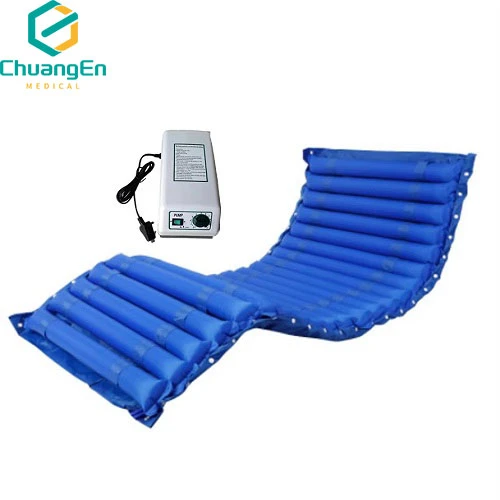
Put simply, an air bed for hospital is a mattress system designed with multiple internal air cells or chambers that can be inflated and deflated automatically or manually. The goal? To adjust pressure distribution dynamically and prevent bedsores (pressure ulcers), improve patient comfort, and sometimes assist with therapy like alternating pressure therapy.
These beds aren’t just about comfort—they’re a response to a very modern healthcare challenge: managing long-term bedridden patients without causing further harm. Hospitals, nursing homes, and even disaster response units now rely on these beds to deliver care that’s compassionate and efficient.
Core Features of Air Beds for Hospitals
1. Pressure Redistribution
The fundamental value of these air beds lies in their ability to redistribute pressure away from vulnerable skin sites. Instead of a single firm surface, air chambers alternately inflate and deflate, reducing the risk of sores.
2. Hygiene and Infection Control
The materials are often designed for easy cleaning and antimicrobial resistance—a definite must in hospital environments with susceptible patients.
3. Customizability and Control
Many models include electronic controls, allowing staff to adjust pressure settings based on patient weight and condition. Some even integrate with patient monitoring systems, reflecting the digital shift in medical technology.
4. Durability and Maintenance
Given heavy daily use, the durability of materials and ease of maintenance (like replaceable air cells) are crucial. This not only lowers operating costs but prevents downtime that can disrupt patient care.
5. Portability and Rapid Deployment
While traditional hospital beds are bulky, many air bed systems are modular and relatively lightweight, making them useful in emergency setups or temporary hospitals.
6. Energy Efficiency
Modern air beds are designed with energy consumption in mind, using efficient pumps and even standby modes to conserve power—vital in low-resource or mobile settings.
Air Bed for Hospital: Product Specification Table
| Feature | Description | Benefit |
|---|---|---|
| Air Cell Technology | Multipoint alternating air cells | Prevents pressure ulcers; improves blood circulation |
| Material Composition | Medical-grade polyurethane with antimicrobial coating | Limits infection risk; durable for hospital use |
| Control System | Digital interface with pressure calibration | Customizable therapy; easier staff operation |
| Weight Capacity | Up to 250 kg (550 lbs) | Accommodates wide patient range |
| Power Consumption | Less than 20 watts average usage | Energy-efficient, suitable for mobile clinics |
Worldwide Uses of Air Beds for Hospitals
From Tokyo’s ultra-modern ICUs to rural health clinics in Sub-Saharan Africa, the air bed for hospital finds varied applications. Large hospital chains in Europe often install these as part of standard patient rooms, emphasizing comfort and prevention. In contrast, NGOs delivering emergency medical aid rely on portable systems, sometimes setting them up in refugee camps or post-disaster shelters.
For example, after the 2015 Nepal earthquake, aid groups quickly set up field hospitals equipped with air beds to reduce pressure injuries among those immobilized by injury. Similarly, in remote mining operations in Australia, air beds help improve worker recuperation during onsite medical care—small details making a big difference.
Benefits That Go Beyond Comfort
- Health Outcomes: Lower incidence of bedsores means faster recovery and fewer complications.
- Cost Savings: Reduces expensive wound care treatments and shortens hospital stays.
- Patient Dignity & Safety: Enhances comfort, preserving dignity during long-term care.
- Operational Efficiency: Digital controls simplify nursing workflows.
- Sustainability: Durable materials and energy-efficient design reduce environmental footprints.
It really feels like these beds are a silent partner in healthcare success stories worldwide.
Innovations Shaping the Future of Hospital Air Beds
Looking forward, smart technology is a big deal. Some companies are exploring AI integration for predictive pressure adjustments based on patient movement patterns. Materials science pushes the envelope with self-healing polymers and biodegradable covers, aiming to reduce waste and enhance patient safety.
Green energy use — for example, using solar-powered pumps in off-grid clinics — is another exciting frontier. Plus, as telemedicine extends, the possibility of remote monitoring and adjustments of bed pressure systems could change the caregiving landscape entirely.
Challenges and How They're Being Tackled
Not all that glitters is gold, and air beds for hospitals face a few notable hurdles. High upfront cost can be a barrier for smaller clinics. Maintenance requires some technical skills and periodic checks. Also, power dependency makes use tricky in some remote or disaster-stricken zones.
Innovative responses include leasing models to reduce initial investment, training programs to empower local technicians, and manual backup options for power outages. In combination, these strategies help overcome many limitations.
FAQ: Quick Answers About Air Bed for Hospital
- Q: How often should the air cells be replaced?
A: Typically, air cells should be inspected monthly and replaced every 12–24 months depending on usage and manufacturer guidelines to maintain optimal performance. - Q: Can the air bed help patients with severe mobility issues?
A: Yes, by reducing pressure points and allowing customizable settings, it significantly decreases the risk of pressure ulcers, aiding in care for immobile patients. - Q: Are these beds easy to transport for emergency use?
A: Many models are reasonably lightweight and modular, ideal for quick deployment in field hospitals or disaster zones. - Q: What maintenance does an air bed require?
A: Regular checks of the inflatable cells for leaks, firmware updates on digital controls, and cleaning of surfaces are standard practice.
Comparing Top Vendors of Hospital Air Beds
| Vendor | Product Range | Price Range (USD) | Key Features | Warranty |
|---|---|---|---|---|
| ChuangEn Medical | Standard and Smart Air Beds | $1200–$3500 | AI-assisted pressure control, portable design | 3 years |
| MedAir Solutions | Customizable Multi-Zone Air Mattress | $1500–$4000 | Advanced digital interface, antimicrobial cover | 4 years |
| HealthCare Comfort Inc. | Basic and Deluxe Models | $900–$2800 | Manual controls, budget-friendly options | 2 years |
Final Thoughts: Why Investing in Air Beds is a Win for Healthcare
When you zoom out and look at the bigger picture, the air bed for hospital is more than a fancy mattress—it’s a frontline tool in improving patient outcomes, operational efficiencies, and even healthcare sustainability. It’s a convergence of comfort, technology, and care philosophy.
If you’re involved in healthcare procurement or care planning, taking a closer look at these beds is definitely worthwhile. For more detailed info and product options, do visit ChuangEn Medical and explore how their innovative solutions might fit your facility’s needs.
After all, sometimes it’s the quiet advancements that make the loudest difference.