Understanding the Low Air Loss Pressure Mattress: Essential Care with Modern Innovation
Pressure injuries, often known as bedsores, represent one of the most persistent challenges in healthcare worldwide. From hospitals in New York to remote clinics in sub-Saharan Africa, patients confined to beds face serious risks if not properly managed. This is where the low air loss pressure mattress steps in as a quiet hero. But what exactly is it, why is the tech so essential globally, and what can caregivers expect when deploying it? Let’s peel back the layers.
Introduction: Why the Low Air Loss Pressure Mattress Matters Globally
Pressure ulcers affect millions annually—about 2.5 million patients in the U.S. alone, according to the National Pressure Injury Advisory Panel. Globally, the World Health Organization highlights that aging populations and prolonged hospital stays compound this risk. Prevention and management require not only nursing vigilance but also specialized equipment. The low air loss pressure mattress helps redistribute body weight and controls moisture, two critical factors responsible for pressure injuries.
Oddly enough, while advanced in technology, the mattress answers a fairly basic human need: comfort and dignity during recovery or extended immobility. This need spans regions, healthcare systems, and even humanitarian crises, like disaster relief camps or elderly care in low-resource settings.
Defining the Low Air Loss Pressure Mattress
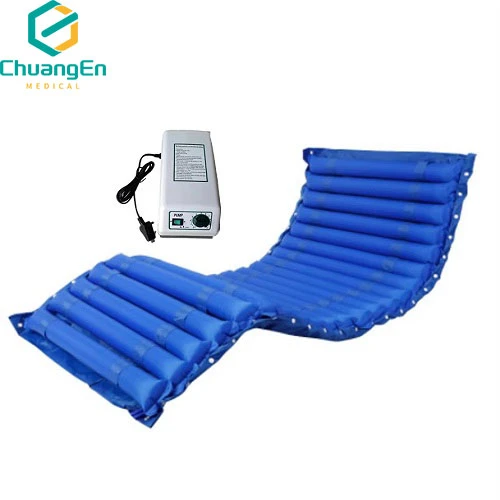
Simply put, a low air loss pressure mattress is a specially designed bed surface that continuously gently blows air through tiny perforations, creating a cooling and dry environment for the skin. Its purpose is to reduce pressure by distributing body weight and to manage moisture by allowing airflow, which helps prevent skin breakdown.
Clinically, it’s a step beyond regular foam mattresses, merging engineering and patient-centered design to meet the realities of chronic care and acute treatment alike. In humanitarian terms, models of these mattresses can be portable, durable, and life-saving.
Key Components and Features of Low Air Loss Pressure Mattresses
1. Pressure Redistribution
Using alternating or static air cells, these mattresses reduce pressure points. It’s a bit like floating on a gentle cloud, which lowers the compression on vulnerable skin areas, especially over bony prominences.
2. Moisture Control
Continuous airflow prevents heat and moisture buildup, two culprits for skin maceration and ulcer formation. This feature is vital because excessive moisture weakens skin integrity.
3. Durability and Material Quality
Most mattresses utilize polyurethane or coated nylon, making them waterproof yet breathable. Providers must look for products that balance longevity against cost—after all, hospitals need replacements rarely.
4. Portability and Power Efficiency
Some models come with lightweight frames and battery backup, essential for use in remote or mobile healthcare settings. Power consumption matters, particularly in areas where electricity is unreliable.
5. Ease of Cleaning and Infection Control
In hospital environments, the mattress cover must be easily disinfected without damage. Many include antimicrobial coatings to reduce infection transmission.
Product Specification at a Glance
| Feature | Specification |
|---|---|
| Dimensions | 80" × 36" × 8" |
| Airflow Rate | 10 L/min with adjustable settings |
| Material | PU-coated nylon with antimicrobial cover |
| Weight Capacity | Up to 350 lbs (159 kg) |
| Power Source | 110–240V AC, with battery backup |
| Warranty | 3 years full warranty |
Global Applications & Real-World Use Cases
The beauty of low air loss pressure mattresses is how versatile they’ve become in practice. Hospitals across Europe and North America use them routinely in ICUs and long-term care wards. Yet, oddly enough, their reach extends much further.
- Humanitarian Relief: In post-disaster camps, NGOs deploy these mattresses to reduce pressure injury risks for immobile patients in tent hospitals.
- Remote Industrial Zones: Sites often lack standard healthcare infrastructure, so portable low air loss mattresses help manage worker injuries with dignity.
- Long-term Elderly Care: Nursing homes rely on these systems to improve residents’ comfort while reducing complication rates over prolonged stays.
Many providers mention that even in developing countries, carefully selected models can be effectively used, provided there’s dependable power or suitable manual backup.
Vendor Comparison: How Leading Brands Stack Up
| Feature | Manufacturer A | Manufacturer B | Manufacturer C |
|---|---|---|---|
| Price Range | $2,000–$2,500 | $1,800–$2,200 | $2,200–$2,700 |
| Airflow Control | Variable speed | Fixed low/high | Automatic adjustment |
| Portability | Moderate (with trolley) | High (compact design) | Low (heavy unit) |
| Warranty | 3 years | 2 years | 3 years |
Advantages & Long-Term Value of Low Air Loss Pressure Mattresses
Costs aside, these mattresses offer profound returns:
- Clinical Benefits: Dramatic reduction in pressure ulcer incidence leads to fewer infections and faster recovery.
- Economic Savings: By preventing costly complications, hospitals save potentially thousands per patient stay.
- Patient Dignity & Comfort: For the patients who spend days or months immobile, it’s a relief they don’t express often but feel deeply.
- Sustainability: Long-lasting components and low energy use contribute positively when compared to less effective alternatives.
Frankly, the emotional impact on families, nurses, and patients cannot be overstated. Knowing that comfort isn’t an afterthought matters.
Looking Ahead: Future Trends and Innovation
The market is already evolving. Companies experiment with:
- Smart Mattresses: Sensors monitor patient movement and automatically adjust airflow or alert caregivers.
- Eco-friendly Materials: New biodegradable or recycled polymers replace traditional plastics.
- Integration with Digital Care Systems: Linking mattresses to hospital EHRs for holistic patient monitoring.
- Energy Efficiency: Solar-powered options or ultra-low consumption blowers for off-grid use.
It’s a fascinating convergence of technology, sustainability, and compassionate care.
Challenges & Solutions
That said, there are still hurdles. Limited power in many regions, initial high cost, and maintenance challenges can stall implementation. Experts recommend:
- Investing in training for caregivers to maximize mattress benefits.
- Leveraging hybrid power solutions like UPS and solar backups.
- Working with vendors offering local service and parts availability.
Solutions are pragmatic and within reach, but demand partnerships and foresight.
FAQ: Your Questions About Low Air Loss Pressure Mattresses
- Q: How does a low air loss pressure mattress differ from an alternating pressure mattress?
- A: While both reduce pressure ulcers, low air loss mattresses focus on airflow to reduce moisture and heat, whereas alternating pressure mattresses periodically inflate and deflate air cells to redistribute pressure.
- Q: Are these mattresses suitable for home healthcare?
- A: Absolutely. Many models are designed for home use, offering portability and ease of maintenance to support patients recovering at home or with chronic conditions.
- Q: How long does a typical low air loss mattress last?
- A: Lifespan varies, but standard warranties range between 2-5 years. Proper care and cleaning are crucial to extend functionality.
- Q: Can low air loss mattresses be used for all patients at risk of pressure injuries?
- A: They are highly effective but should be part of a broader care plan including repositioning and skin inspections. In some severe cases, specialized support surfaces may still be needed.
- Q: How portable are these mattresses for emergency relief use?
- A: Portable designs exist, often with lightweight pumps and compact frames, making them practical for rapid medical setup in disaster zones or field hospitals.
Conclusion
The low air loss pressure mattress isn’t just a piece of hospital equipment; it's vital patient-centered technology addressing an age-old problem in a modern way. Its benefits—clinical effectiveness, comfort, and cost savings—make it an indispensable tool worldwide, whether in intensive care units or humanitarian camps.
If you’re seeking a reliable, innovative solution for pressure injury prevention, exploring these mattresses is a crucial step. Feel free to visit our website: https://www.chuangenmedical.com to learn more and find options that fit your needs and environment.
Mini takeaway: Preventing pressure injuries means embracing innovation that cares for humans on every level—comfort, dignity, and clinical safety.