Understanding the Air Mattress System: A Global Perspective
In a world that’s constantly on the move — with emergencies, healthcare needs, and remote industries expanding — air mattress systems have quietly become essential. Think about it: a product designed to offer comfort, pressure relief, and adaptability is more than just a makeshift bed. It’s a lifeline in hospital wards, post-disaster shelters, and long-term care installations. Globally, we see rising demand as populations age, urbanize, and face unexpected calamities.
Why does this matter? According to the World Health Organization, pressure ulcers affect roughly 10% of hospitalized patients worldwide, a challenge that traditional bedding struggles to resolve. The air mattress system plays a critical role in reducing such cases, improving patient outcomes, and supporting caregivers. But more than healthcare, they enable rapid deployment of living spaces in disaster-hit zones, where traditional beds simply can’t keep up.
Mini takeaway: Understanding the air mattress system unlocks a deeper appreciation for how technology meets comfort and quick response on a global scale.
The Rising Importance of Air Mattress Systems in Today’s World
Delving deeper, the air mattress system intersects both high-tech healthcare and humanitarian relief sectors. Globally, the elderly population is growing faster than ever — by 2050, the UN forecasts over 2 billion people aged 60 or older. That creates a new set of challenges for mobility, wound care, and comfort.
Meanwhile, the International Organization for Standardization (ISO) has set out precise benchmarks for medical support surfaces, reflecting how seriously the industry takes patient safety and mattress design. And don’t forget the disaster relief spectrum — from Haiti to the Philippines, air mattress systems are an integral part of shelters that roll out within hours, providing dignity and protection where it counts.
But it’s not all rosy: problems like pressure ulcer development, inefficient transportation of bulky mattresses, and lack of durability under harsh conditions have long plagued the sector. The air mattress system answers many of these challenges with innovative engineering and material science.
What Exactly Is an Air Mattress System?
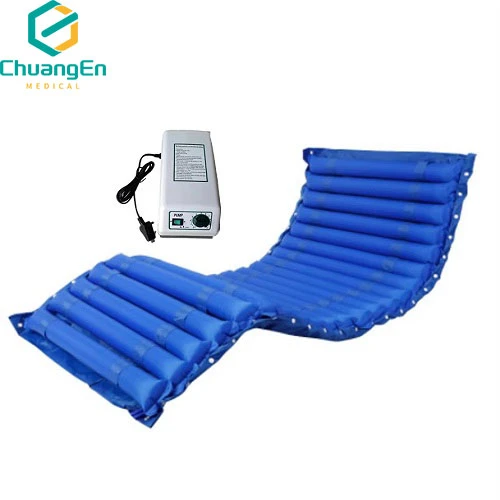
At its core, an air mattress system is a collection of interconnected air cells or chambers housed within layers of durable material, designed to support and redistribute body weight. Unlike traditional foam mattresses, these systems use inflatable modules that can be tuned to a user’s specific needs — firm here, soft there — offering dynamic pressure relief. They often include an electric pump for continuous or alternating pressure, dramatically reducing the risk of bedsores.
It’s important to see them not just as comfort devices, but as critical medical tools that contribute to wound healing and patient mobility. Plus, in humanitarian contexts, these systems provide rapid, lightweight bedding that can be deployed almost anywhere, bridging gaps in infrastructure.
Key Components That Make Air Mattress Systems Work
1. Durability and Material Quality
The outer layers usually incorporate medical-grade PVC or polycarbonate blends that are waterproof, vapor-permeable, and resistant to tears. The longevity directly affects cost-efficiency and patient safety.
2. Adjustable Air Cells
These chambers are not just inflatable but are often designed to alternate pressure zones, meaning they cyclically inflate and deflate to promote blood circulation. Many engineers swear this is the “heart” of any quality air mattress system.
3. User-Friendly Control Units
Pumps with intuitive touch controls allow clinicians or caregivers to customize pressure settings on the fly, which is essential to adapt to a patient’s changing needs.
4. Portability and Ease of Cleaning
Lightweight designs combined with antimicrobial, easy-to-clean surfaces make them practical in hospitals and emergency tents alike.
5. Power Source and Battery Life (Where Relevant)
Especially in remote or disaster zones, battery-operated or low-power pumps ensure continuous therapy when electricity is scarce. Some models even support solar charging, linking nicely to sustainability goals.
| Feature | Details |
|---|---|
| Material | Medical-grade PVC with antimicrobial coating |
| Air Cells | 20–25 adjustable, alternating pressure zones |
| Control Unit | Digital pump with touch interface, 0–100 mmHg pressure range |
| Power Supply | 110-240V AC / battery backup (8 hours) |
| Weight Capacity | Up to 250 kg (550 lbs) |
| Dimensions | 200 x 90 x 20 cm (standard hospital bed size) |
How the Air Mattress System Works in Real Life: Global Use Cases
Consider post-disaster relief: After the 2015 Nepal earthquake, humanitarian groups deployed thousands of air mattress system units to remote camps. The modular design meant rapid setup — no heavy lifting needed — and sustained comfort for vulnerable survivors over months.
In developed healthcare environments — especially in Europe, North America, and parts of Asia — hospitals adopt these systems to combat high rates of pressure injuries, improving patient recovery times and reducing hospital stays. It’s a silent but vital part of healthcare innovation.
Industries needing on-site mobile clinics, such as mining or oil exploration in Australia or Canada, also find immense value here. There, everything must be portable, durable, and efficient at the same time.
Mini takeaway: From the heights of emergency tents in disaster zones to sophisticated hospital wards, the air mattress system adapts — making human comfort and medical necessity intersect beautifully.
The Tangible and Emotional Advantages of Using Air Mattress Systems
- Cost efficiency: Less need for mattress replacements, fewer patient complications—translating directly to savings.
- Sustainability: Many models now use recyclable materials and low energy pumps.
- Patient safety and dignity: Reduced pressure ulcers mean less pain and enhanced recovery.
- Reliability: Tested under ISO 13485 standards, often backed by industry-leading warranties.
- Innovation and trust: Healthcare practitioners feel confident prescribing these systems, recognizing the fusion of tech and care.
Oddly enough, many patients report feeling more “human” when they’re comfortable, free from sores and pain. In nursing homes or extended care, that feels priceless.
Future Horizons: Innovations and Trends in Air Mattress Systems
Looking ahead, smart mattress technologies are on the rise. Imagine integrated sensors that monitor patient movement, heart rate, or pressure points — all feeding back to caretakers in real-time. Some new pumps boast solar integration, addressing power challenges in off-grid scenarios.
Meanwhile, materials scientists are experimenting with bio-based polymers that reduce plastic waste and enhance breathability. Also, regulatory agencies globally push for greener manufacturing, so expect sustainability to dominate new product designs.
Common Challenges and How Experts Are Tackling Them
Despite all the progress, challenges linger. Sometimes pumps fail, or mattresses can develop leaks if not maintained properly. Also, customization can be pricey for smaller clinics or NGOs. Even transport can be tricky in rugged terrain.
Innovations like self-healing materials, modular repair kits, and wireless pump systems are showing promise. Plus, training programs for field staff enhance lifespan and effectiveness.
| Vendor | Price Range | Product Variants | Warranty | Unique Feature |
|---|---|---|---|---|
| Chuangen Medical | $$$ | 5 types focused on healthcare and emergency | 2 years | Solar-compatible pumps and antimicrobial mattress covers |
| MediAir Systems | $$ | 3 standard models, basic monitoring | 1 year | Budget-friendly with basic anti-decubitus tech |
| AirCare Solutions | $$$$ | Highly customizable pressure modules | 3 years | AI-driven pressure adjustment and telemedicine-ready |
FAQ: Common Questions on Air Mattress Systems
Q1: What makes air mattress systems better than traditional hospital mattresses?
A1: Unlike foam or spring mattresses, air mattress systems actively redistribute weight by inflating and deflating cells, greatly reducing pressure points. This prevents ulcers and improves comfort for long-term patients. They also offer customization and improved hygiene, which traditional mattresses can’t match.
Q2: Can air mattress systems be used in disaster relief settings?
A2: Absolutely. Their lightweight, inflatable design allows for quick deployment and pack-down, perfect for emergency shelters. Many units come with battery-powered or solar pump options, ensuring function even without reliable electricity.
Q3: How often do air mattress systems require maintenance?
A3: Maintenance depends on usage, but typically, routine weekly inspections for leaks, pump function, and cleaning are sufficient. Most manufacturers provide guides and sometimes offer servicing contracts for healthcare facilities.
Q4: Are these systems cost-effective for long-term care homes?
A4: Yes. While initial costs may be higher, reduced rates of pressure injuries and longer mattress lifespan balance expenses out over time. Many care homes find improved patient satisfaction and fewer complications, saving money and effort.
Q5: How can international NGOs import and distribute these systems efficiently?
A5: Many vendors specialize in global shipping, offer modular kits, and provide multilingual training materials. Partnering with trusted suppliers like Chuangen Medical ensures compliance with import regulations and reliable after-sales support worldwide.
Final Thoughts: Why the Air Mattress System Is Here to Stay
Whether you’re a healthcare provider, humanitarian coordinator, or logistics manager in a remote area, the air mattress system brings more than comfort — it delivers innovation, trust, and dignity. Its blend of technology and practicality makes it one of the unsung heroes in patient care and disaster response. As materials improve and digital integration deepens, expect these systems to become smarter, greener, and even more indispensable.
Curious to explore the latest high-quality solutions? Visit https://www.chuangenmedical.com to find an air mattress system tailored to your needs.
Mini takeaway: The air mattress system is not just bedding — it’s a vital part of healing, survival, and comfort worldwide.