Understanding Air Mattresses to Avoid Bed Sores: Why They Matter More Than Ever
If you’ve ever spent time bedridden or cared for someone who has, you know the dangers of bed sores. Painful, persistent, and often tricky to treat, these pressure ulcers can transform recovery into a prolonged ordeal. Enter the air mattress to avoid bed sores: a simple yet game-changing medical device designed to reduce pressure points and improve patient comfort. Globally, millions suffer from pressure ulcers, and healthcare systems spend billions addressing them. According to the World Health Organization, pressure ulcers affect up to 23% of hospitalized patients in some regions, increasing hospital stays and healthcare costs. The right air mattress doesn’t just prevent wounds; it restores dignity and ease during vulnerable times. Understanding this technology is not just a clinical concern — it’s a global healthcare imperative. ---Why Are Air Mattresses to Avoid Bed Sores Crucial Worldwide?
Pressure ulcers don’t just happen in hospitals. From long-term care homes in Europe to field hospitals in disaster zones, vulnerable patients need reliable support surfaces. The UN estimates that over 10% of hospital patients worldwide develop bed sores, often due to lack of proper pressure relief. The challenge? Traditional mattresses exert continuous pressure on bony prominences like the tailbone and heels, reducing tissue blood flow and causing skin breakdown. Air mattresses designed to avoid bed sores redistribute body weight and use dynamic pressure redistribution to keep skin safe. Particularly in aging populations and low-resource areas, these devices bridge a critical gap in patient care. ---What Is an Air Mattress to Avoid Bed Sores?
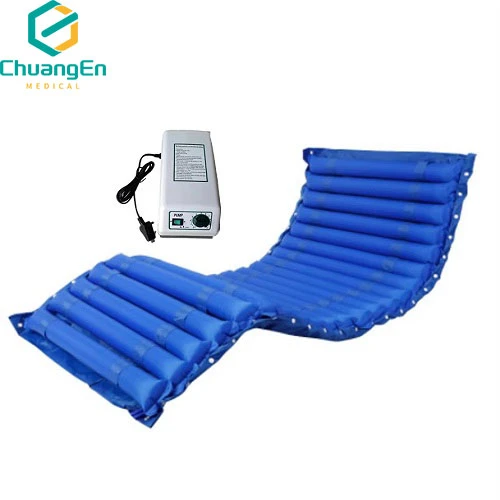
In simple terms, this is a specially designed mattress filled with air cells that alternately inflate and deflate or maintain controlled pressure zones. Unlike standard foam or spring mattresses, these air cushions reduce constant skin-to-surface pressure. They're often part of a broader "pressure-relieving support surface" category in medical care. These mattresses support patients at risk of skin breakdown due to immobility — seniors, post-surgery patients, or those with spinal injuries. In humanitarian contexts, such mattresses can be life-saving by preventing severe wounds in temporary nursing setups. ---Core Aspects That Define Effective Air Mattresses for Pressure Ulcer Prevention
1. Pressure Redistribution Technology
Air mattresses achieve their magic by inflating and deflating different zones in cycles. This dynamic system mimics natural movement, prevents pressure buildup, and promotes microcirculation under the skin.2. Durability and Build Quality
These devices withstand constant use, often under harsh conditions. Materials must be puncture-resistant, easy to clean, and hypoallergenic. Many models use medical-grade PVC or urethane.3. Adjustability and User Control
Some units come with customizable pressure settings to cater to different body weights and wound risks. Clinical users often appreciate electronic controllers with comfort modes.4. Ease of Maintenance
Hospitals and care homes require machines that are easy to disassemble and sanitize. Replaceable parts and simple user interfaces help reduce downtime.5. Cost Efficiency
While initial costs may be higher than conventional mattresses, long-term savings from preventing sores, shortening hospital stays, and reducing medication load justify the investment. ---Global Applications: Where and Who Benefits?
Air mattresses to avoid bed sores are found from major metropolitan hospitals in the U.S. and Japan, to mobile clinics in sub-Saharan Africa, to refugee camps in South Asia. - Hospitals & Rehabilitation Centers: Standard care protocols often include alternating pressure mattresses for patients with limited mobility. - Long-term Care Facilities: Protecting elderly residents, many with fragile skin and limited activity. - Disaster Relief Efforts: Organizations like Doctors Without Borders use compact, portable support surfaces to prevent pressure ulcers during emergencies. - Home Healthcare: For patients recovering at home, these mattresses improve quality of care and reduce readmission rates. Oddly enough, some manufacturers have begun collaborating with insurance companies worldwide, recognizing that investing in proper support surfaces lowers overall healthcare expenses—something that feels overdue. ---Specifications at a Glance: Typical Air Mattress for Bed Sores
| Feature | Specification |
|---|---|
| Material | Medical-grade PVC with anti-microbial coating |
| Cycle Time | 10-12 minutes per inflation/deflation cycle |
| Weight Capacity | Up to 140 kg (308 lbs) |
| Pump Noise Level | |
| Dimensions (L×W×H) | 200cm × 90cm × 15cm |
| Power Supply | 110-240V AC, battery backup available |
Comparing Top Vendors of Air Mattresses for Bed Sore Prevention
| Vendor | Price Range | Key Features | Warranty | Ideal Use Case |
|---|---|---|---|---|
| ChuangEn Medical | $300 - $700 | Dynamic pressure adjustment, antimicrobial surface | 3 years | Hospitals, home care |
| AirComfort Pro | $400 - $850 | Low noise pump, remote control | 2 years | Long-term care, rehab centers |
| SafeSleep Systems | $350 - $900 | Battery backup, customizable firmness | 3 years | Mobile clinics, disaster relief |
Why Invest in Air Mattresses for Bed Sore Prevention? Advantages and Lasting Value
Aside from the obvious medical benefits — fewer wounds, faster healing — the emotional and financial payoffs are significant. Patients feel comfort instead of constant pain. Caregivers gain reliability and confidence. Hospitals save on costly treatments for infections. Oddly enough, the mattress itself largely pays for itself over its lifespan, reducing readmission rates. From a sustainability perspective, many modern air mattresses are made with recyclable materials and low-energy pumps. Hospitals focused on green credentials appreciate these eco-forward options. In real terms, an investment here nurtures trust between patients and caregivers — and that’s priceless. ---Emerging Trends Shaping the Air Mattress Industry
Technology never stays still. Innovations like IoT-enabled mattresses that monitor pressure zones and alert caregivers remotely are already entering clinical use. Soft robotics integrated into air cells promise smoother transitions and better circulation. Sustainability is another big one—biodegradable mattress covers, solar-powered pumps, and antimicrobial nanomaterials improve both environmental footprint and infection control. As populations age, customizing each mattress for patient needs using AI and predictive analytics might soon be normal. We’re talking about smart beds that know when to shift, by how much, and for whom. ---Common Challenges and How Experts Address Them
The biggest frustration? Pump noise and mattress durability — noisy or faulty equipment disrupts healing and staff morale. That’s why manufacturers increasingly focus on ultra-quiet motors and reinforced air chambers. Another issue is cost barriers in low-income regions. Here, NGOs and governments collaborate to subsidize or provide modular air mattress systems tailored for local conditions. Finally, education is key. Even the best devices underperform without proper training. Ongoing caregiver instruction ensures optimal setup and use, reducing complications. ---FAQ: Practical Questions About Air Mattress to Avoid Bed Sores
Q1: How does an air mattress prevent bed sores better than a foam mattress?A1: Unlike foam that compresses under pressure, air mattresses use alternating pressure cycles to redistribute weight continuously. This dynamic shift improves blood flow and reduces long-term skin pressure—a crucial factor in preventing ulcers.
Q2: Can I use an air mattress at home for a loved one?
A2: Absolutely. Many models are designed for home care, with user-friendly controls and quiet operation. However, it’s essential to follow setup instructions and consult healthcare professionals to choose the right device.
Q3: Are these mattresses easy to clean and maintain?
A3: Yes, most air mattresses use wipe-clean medical-grade surfaces resistant to microbes. Pumps and controllers often require minimal maintenance, but regular inspections help catch issues early.
Q4: How long does an air mattress typically last?
A4: With proper care, high-quality air mattresses last 3-5 years. Durability depends on usage intensity, cleaning routines, and environmental factors.
Q5: Are there portable options for emergency or relief settings?
A5: Yes, manufacturers make lightweight, battery-powered air mattresses ideal for mobile clinics and relief efforts, balancing effectiveness and transportability.
---