Why Air Mattresses to Prevent Pressure Ulcers Matter More Than Ever
Pressure ulcers — or bedsores, as many call them — are more than just uncomfortable wounds. Globally, they represent a significant healthcare challenge, particularly for immobile or elderly patients. An air mattress to prevent pressure ulcers isn’t just a fancy mattress; it’s a lifesaver that preserves dignity and speeds recovery. Understanding these specialized air mattresses helps healthcare providers, caregivers, and even families improve patient outcomes while potentially reducing treatment costs.
The Global Context: Why We Need Better Solutions for Pressure Ulcers
Did you know that pressure ulcers affect an estimated 2.5 million people worldwide every year? According to the World Health Organization and healthcare sources, the economic burden of treating these wounds is huge — often running into billions annually in high-income countries alone. Meanwhile, low and middle-income nations face challenges from limited resources and aging populations, increasing the pressure on healthcare systems. The air mattress to prevent pressure ulcers is becoming a universal tool in tackling this problem by reducing occurrence rates and improving patient care.
In real terms, hospitals and long-term care facilities worldwide are turning to advanced pressure redistribution technologies to meet quality standards, including ISO 13485, reinforcing the mattress's role beyond comfort.
What Exactly Is an Air Mattress to Prevent Pressure Ulcers?
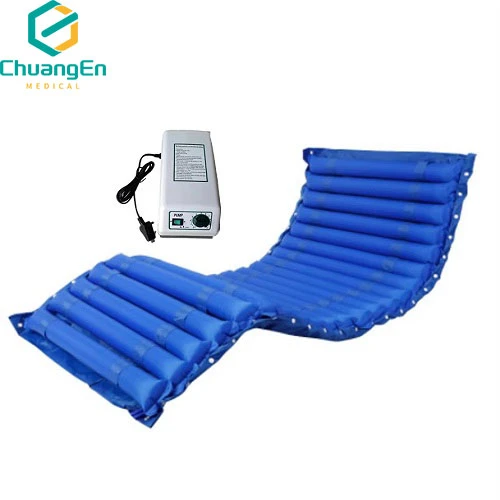
Simply put, it’s a specially designed mattress that gently redistributes body weight using adjustable air cells. Rather than letting one spot bear constant pressure (hello, ulcers!), these mattresses reduce skin breakdown by alternating pressure points. Modern designs often feature dynamic systems where air pressure zones inflate and deflate to stimulate blood flow and keep skin healthy.
Far from everyday camping gear, these systems integrate smart tech for hospitals and home care, adapting to each patient's needs. Especially helpful in long-term immobility scenarios, they reflect not just clinical innovation but a humanitarian commitment to better living conditions for vulnerable groups.
Core Components of Air Mattresses That Make a Difference
1. Durability and Material Quality
The surface cover and internal air cells must withstand continuous use, common cleaning protocols, and resist bacterial contamination. Many manufacturers now use medical-grade PU and nylon layered with waterproof, breathable fabrics to balance longevity and hygiene.
2. Pressure Redistribution Technology
The heart of the mattress’s function: dynamic alternating pressure systems or static low-air-loss options. Both approaches aim to redistribute pressure but vary for different patient mobility levels.
3. Comfort and Patient Adaptability
While function tops the list, comfort can’t be ignored. Adjustable firmness and customizable zone controls let patients and caregivers fine-tune the mattress to individual needs — crucial for compliance and effectiveness.
4. Cost Efficiency
It’s not just about upfront price. Reduced hospitalization days and fewer wound care interventions mean these mattresses often pay for themselves in saved treatment costs.
5. Ease of Use and Maintenance
Complex tech that frustrates caregivers rarely gets used as intended. Simpler control interfaces and easy-to-clean designs help ensure long-term success.
6. Integration With Medical Devices
Some models integrate sensors and IoT for remote monitoring — a growing trend that professionals say will redefine clinical care.
Specifications of a Typical Air Mattress to Prevent Pressure Ulcers
| Specification | Details |
|---|---|
| Size | 200 cm x 90 cm |
| Material | Medical-grade PU with waterproof cover |
| Pressure System | Dynamic alternating pressure with 10 air cells |
| Weight Capacity | Up to 150 kg (330 lbs) |
| Control Features | Manual and automatic pressure settings |
| Power Supply | 12V DC with battery backup |
| Cleaning & Hygiene | Antimicrobial, wipeable surface |
Global Applications & Use Cases
In regions with aging populations — think Japan, Europe, and the US — healthcare systems have integrated air mattresses to prevent pressure ulcers as a frontline defense. In low-income countries, NGOs have deployed these mattresses in post-disaster relief settings to care for immobile injured patients where hospitals are overwhelmed.
Hospices and home care environments increasingly adopt these mattresses, helping families provide better care without continuous hospital visits. Oddly enough, even some space programs study pressure redistribution tech to help astronauts avoid muscle and skin degradation in zero gravity.
Vendor Comparison: Leading Air Mattresses to Prevent Pressure Ulcers
| Brand | Price Range (USD) | Pressure System Type | Warranty | Notable Features |
|---|---|---|---|---|
| MedAir Co. | $800 - $1100 | Dynamic alternating | 3 years | Smart sensor integration |
| CareFlex Systems | $650 - $900 | Static low-air-loss | 2 years | Easy-clean antimicrobial cover |
| ProRelieve Medical | $900 - $1300 | Mixed dynamic/static modes | 3 years | Integrated battery backup |
Advantages & Long-Term Benefits
- Cost savings: Fewer complications mean less treatment time and expense.
- Improved patient dignity: Reducing ulcers helps maintain skin integrity and morale.
- Environmental sustainability: Durable, reusable designs reduce medical waste.
- Peace of mind for caregivers: Easy-to-use controls mean less stress in patient management.
It feels like investing in an air mattress goes beyond a single procedure. Over time, it fosters trust between patients, families, and healthcare providers — a truly intangible but vital benefit.
Future Trends: Smarter, Greener, More Connected
In my conversations with industry experts, digital integration is the buzzword. Expect mattress systems to incorporate IoT capabilities more routinely — real-time data on pressure areas, patient movement, and environmental conditions help tailor care even remotely.
Sustainability is another hot trend. Manufacturers are experimenting with bio-based and recyclable materials. And with the growing aging population globally, demand for elegant, automated solutions that can scale is skyrocketing.
Challenges & What Can Help Overcome Them
Truth is, accessibility remains an issue. High costs and maintenance complexity mean some facilities or homecare settings can’t leverage these mattresses fully. There's also training — caregivers must know how to operate and adjust the settings properly.
Solutions include subsidized procurement programs, improved training platforms (think online tutorials), and modular mattress designs that simplify repairs and replacements. Some say we need better data sharing to customize patient care even further — this may rely on improved health IT infrastructure.
FAQ: Your Air Mattress Questions Answered
Q1: How often should the pressure settings on these mattresses be adjusted?
A: Many dynamic air mattresses automatically alternate pressure every 10-15 minutes to stimulate blood flow, but caregivers should regularly monitor patient comfort and skin condition and adjust manual settings as needed.
Q2: Can these mattresses be used effectively at home?
A: Absolutely. Many models come with easy-to-use controls and require minimal maintenance, making them ideal for home care settings. However, training for caregivers is recommended to ensure proper use.
Q3: Do air mattresses to prevent pressure ulcers require electricity?
A: Yes, most use electrical pumps for the dynamic air systems but typically include battery backups for power outages, ensuring continuous pressure relief.
Q4: How do these mattresses compare to foam alternatives?
A: While high-density foam mattresses provide some pressure distribution, air mattresses with alternating pressure systems are generally superior for preventing ulcers, especially for high-risk patients.
Q5: Are these mattresses covered by insurance?
A: Coverage varies by country and insurer, but many health plans recognize their medical necessity. It’s best to verify with your insurance provider.
Wrapping Up: A Small Step for Mattresses, a Giant Leap for Patient Care
Investing in an air mattress to prevent pressure ulcers is more than just upgrading bedding—it’s a commitment to long-term health, comfort, and dignity. Whether you’re a healthcare provider, caregiver, or someone seeking better in-home care options, the value is clear. Curious to see what’s out there? Hop over to our website for the latest innovations and detailed info.
And hey, if you’ve ever cared for a patient at risk of bedsores, you’ll know: a good mattress can make a world of difference.