Understanding the Air Pad for Hospital Beds: A Practical Lifesaver
In healthcare settings around the world, patients who spend extended periods in bed face significant risks, like pressure ulcers and discomfort that can prolong recovery. Enter the air pad for hospital bed—a seemingly simple yet revolutionary solution designed to improve patient comfort and clinical outcomes. Although it might sound mundane, knowing how these pads work and why they matter can make a huge difference, whether you're a healthcare professional, supplier, or even a concerned family member.
Globally, as the elderly population rises and chronic conditions become more common, the demand for effective bedside solutions grows in tandem. Understanding these air pads reveals a lot about how healthcare adapts to meet modern challenges while improving dignity, safety, and healing — a subtle but powerful innovation.
The Rising Importance of Air Pads in Global Healthcare
The World Health Organization estimates that nearly 10% of hospital patients worldwide suffer from pressure ulcers, with rates climbing in intensive care and long-term care facilities. According to data from the United Nations, aging populations in countries like Japan, Germany, and the United States are driving a steady increase in bed-bound patients prone to skin breakdown. This has substantial financial implications: pressure ulcer care costs billions annually and is a key patient safety metric.
Air pads for hospital beds address such urgent challenges by redistributing pressure, improving blood flow, and reducing the risk of sores. Yet, despite the clear medical need, many regions still struggle with adequate access and awareness.
Defining the Air Pad for Hospital Bed
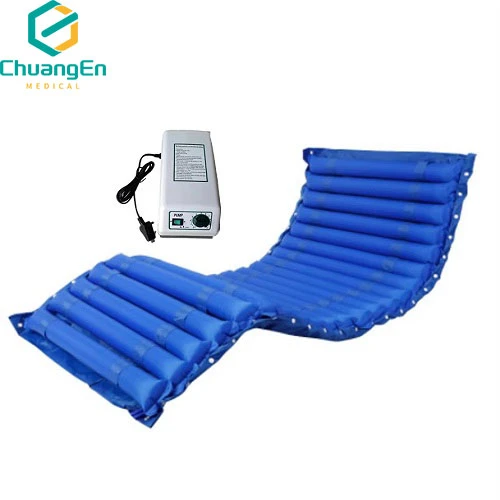
Simply put, an air pad for hospital bed is a specialized mattress overlay or integrated system filled with air cells that dynamically adjust to a patient’s body weight and movements. This adaptive cushioning system significantly reduces pressure points, unlike traditional foam or spring mattresses.
In real terms, the pad helps patients maintain better skin integrity and comfort without repeatedly repositioning — a labor-intensive task for nursing staff and taxing for patients. These systems often come with pumps and controls, allowing fine-tuned pressure adjustments tailored to individual needs.
What Makes a Great Air Pad? Core Components Explored
1. Durability and Material Quality
The construction materials—generally medical-grade PVC, nylon, or polyurethane—must endure frequent sanitization, prolonged use, and pressure without degrading. Hospital-grade air pads resist punctures and leaks, which can be a nightmare in a critical care setting.
2. Pressure Redistribution Technology
Many air pads use alternating pressure systems, cyclically inflating and deflating air cells to mimic repositioning. This active intervention stimulates blood flow and avoids continuous pressure buildup, a key factor in preventing bedsores.
3. User-Friendly Controls
Nurses and caregivers value intuitive interfaces. Pads with easy-to-read pressure settings, alarms for malfunctions, and quiet pumps significantly reduce the care team’s cognitive load throughout long shifts.
4. Portability and Scalability
In disaster relief or mobile hospital scenarios, air pads that can be easily packed, inflated swiftly, and deployed quickly are invaluable. Scalability relates to their ability to serve single to multiple patients, adapting to institutional size and care type.
5. Cost Efficiency
While upfront costs vary, the total cost of ownership includes maintenance, electricity for pumps, and replacement schedule. Air pads that balance cost with longevity and clinical effectiveness tend to win favor in bulk procurement decisions.
Global Applications of Air Pads: More Than Just Hospital Rooms
These air cushions aren't just confined to traditional hospitals. In post-disaster relief efforts—where infrastructure is damaged—portable hospital beds equipped with reliable air pads ensure patient comfort during critical recovery times. Similarly, in long-term care facilities across Europe and North America, air pads reduce nursing workload and patient complications.
In remote industrial zones or military field hospitals, these pads provide an essential layer of comfort for injured personnel, who might face extended transport times before further care.
| Feature | Specification | Remarks |
|---|---|---|
| Dimensions | 80" x 36" x 3" approx. | Fits standard hospital beds |
| Material | Medical-grade PVC with nylon cover | Durable and easy to sanitize |
| Pressure Range | 20 – 60 mmHg adjustable | Customizable for patient needs |
| Power Supply | 110/220V AC, optional battery | Supports portability |
| Weight Capacity | Up to 350 lbs (160 kg) | Suited for most adult patients |
Long-Term Value: More Than Just Comfort
Using an air pad for hospital bed translates to significant cost savings by preventing pressure ulcers, which often lead to prolonged hospital stays and complex treatments. Beyond budgets, it’s about patient dignity — allowing those confined to bed to feel less discomfort and maintain skin health.
From a sustainability angle, high-quality air pads that are durable and serviceable reduce medical waste compared to disposable solutions. Socially, they empower healthcare workers by lightening caregiving burdens and enabling more consistent patient care.
The Future of Hospital Bed Air Pads: Innovations on the Horizon
Technology doesn’t stand still. We're seeing exciting developments like smart pads embedded with sensors that monitor pressure points in real-time and alert staff or automatically adjust air flow. Integration with hospital digital systems means better data-driven caregiving.
Sustainability efforts push materials towards biodegradable or recyclable compounds, reducing environmental footprints in medical settings. There’s also a focus on battery innovations that support longer mobile use during power interruptions or transport.
Challenges and Clever Solutions
Oddly enough, one tricky issue with air pads is the trade-off between mattress softness and patient stability — too soft, and patients risk sliding or awkward positioning. Some designs now incorporate zones of varying firmness to address this.
Another typical challenge is maintaining pump performance without noise disruption. Engineers have developed quieter, more reliable motors and better insulation materials. Finally, cost barriers still prevent widespread adoption in low-resource settings. Some NGOs are partnering with manufacturers to provide subsidized solutions, fostering better access globally.
| Vendor | Product Range | Price Range | Key Strength | Support & Warranty |
|---|---|---|---|---|
| ChuangEn Medical | Standard and advanced air pads | $$ - midrange | Customizable pressure controls | 24-month warranty, global support |
| SafeRest Healthcare | Basic to premium air mattress overlays | $ - budget friendly | Affordable options for clinics | Limited 1-year warranty |
| MedAir Solutions | Smart sensor-integrated air pads | $$$ - premium | Advanced tech and data integration | 3-year warranty, responsive hotline |
FAQ: Answers to Your Air Pad for Hospital Bed Questions
Q1: How does an air pad differ from a standard hospital mattress?
An air pad for hospital bed is designed with inflatable cells that redistribute pressure by alternating inflation cycles, unlike a standard mattress that offers uniform support. This dynamic pressure relief lowers the risk of pressure ulcers and typically improves patient comfort significantly.
Q2: Can air pads be used for all patient types?
Generally, yes, though pads are best suited for patients at moderate to high risk of pressure sores. Some models cater to heavier patients or pediatric cases specifically. Clinicians should select based on patient condition, skin integrity, and care setting.
Q3: What maintenance is required to keep air pads functional?
Routine maintenance involves cleaning the surface with approved disinfectants, checking for leaks or tears, and ensuring pumps operate quietly and reliably. Many vendors provide detailed guidelines and offer support contracts for hospitals.
Q4: Are air pads energy efficient?
Most use low-power pumps that run intermittently, resulting in modest electricity use. Newer models focus on energy efficiency with smart sensors enabling adaptive inflation only when needed.
Q5: How quickly can air pads be deployed in emergency settings?
Deployment time varies, but many systems inflate fully in under 10 minutes and are portable enough for rapid transport. This quick setup is critical in field hospitals and disaster zones.
Wrapping It Up: Comfort, Care, and the Future of Healing
The air pad for hospital bed may not headline every hospital story, but it quietly transforms bedside care globally. By combining material science, smart design, and practical functionality, these pads protect vulnerable patients while easing caregiver workloads — a win on both emotional and economic fronts.
Curious to explore trusted, customizable air pad solutions? Visit our website at chuangenmedical.com and discover how innovation continues at the intersection of technology and healthcare comfort.
Mini takeaway: Investing in high-quality air pads is not just about comfort; it’s a pragmatic strategy that saves lives, time, and money in today’s challenging healthcare landscape.