Understanding the Bed Sore Bed Mattress: More Than Just Comfort
Pressure ulcers, commonly known as bed sores, remain a persistent challenge in healthcare settings worldwide. These painful skin wounds occur primarily in immobile patients and can lead to severe complications if not properly managed. Enter the bed sore bed mattress: a specialized medical mattress designed to reduce pressure points, improve blood circulation, and ultimately prevent these ulcers from forming. With aging populations and increasing hospital stays, the demand for effective pressure management solutions has never been higher.
Globally, the World Health Organization estimates that pressure ulcers affect roughly 10-15% of hospitalized patients, creating a significant burden on healthcare systems and impacting patient quality of life. Understanding how these mattresses work and their benefits can transform care standards everywhere.
The Global Context: Why Bed Sore Bed Mattresses Matter
Pressure ulcers aren’t confined to any one region; they’re a universal issue impacting millions annually. According to data from the International Agency for Research on Cancer and the United Nations, chronic wounds of this nature cost billions in healthcare spending, not to mention the human toll.
Especially in under-resourced areas or disaster zones where patient movement is limited, the risk of bed sores skyrockets. The challenge lies in providing mattresses that are cost-effective but also technologically advanced enough to distribute pressure adequately. That’s where innovations in the bed sore mattress sector shine—melding patient care with engineering prowess.
For families and caregivers, preventing a bed sore means protecting loved ones from infection, terrible pain, and prolonged hospitalization. Hospitals and nursing homes benefit economically by reducing treatment costs and shortening patient stays, while insurers appreciate lower claims.
What Is a Bed Sore Bed Mattress? Breaking It Down
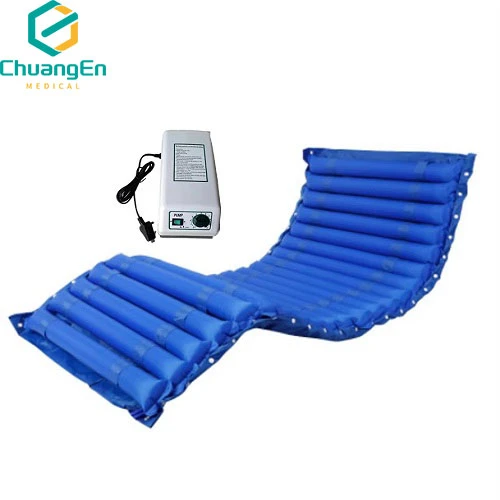
Simply put, a bed sore bed mattress is a specially designed mattress created to minimize pressure at common bony points—think hips, heels, sacrum—where bed sores typically develop. These mattresses often include advanced materials or features like air cells, foam layers, or gel inserts that redistribute weight to avoid sticking points.
From a humanitarian perspective, these mattresses are lifesavers for patients who are bed-bound or have limited mobility due to illness, injury, or surgery recovery – providing not just physical comfort but also dignity and hope.
Core Components of Bed Sore Bed Mattresses
1. Pressure Redistribution
Whether through alternating air pressure, specialized foam, or hybrid technologies, these mattresses continuously reduce pressure on vulnerable areas by distributing weight evenly.
2. Material Quality and Durability
Materials must withstand prolonged use without degrading. Many manufacturers use medical-grade polyurethane foam or reinforced nylon air cells to balance comfort with longevity.
3. Breathability and Moisture Control
Ventilation is crucial to prevent excessive sweating and skin maceration, which exacerbate sore formation. Some mattresses are designed with breathable covers or airflow channels.
4. Ease of Cleaning and Infection Control
Hospital hygiene standards are strict. Many bed sore mattresses come with waterproof, antimicrobial covers or components suitable for frequent sanitizing.
5. Weight Capacity and Size Options
To accommodate patients of different sizes and weights, these mattresses vary in dimensions and maximal load thresholds.
6. Cost Efficiency and Maintenance
While high-tech models can be pricey, the long-term savings from avoided treatments and shortened hospital stays make them cost-effective. Additionally, ease of maintenance lowers operational burdens.
Mini takeaway: When considering a bed sore bed mattress, look at these core aspects fitted to your specific needs – it’s never one-size-fits-all.
Global Applications & Use Cases: Where Bed Sore Bed Mattresses Make a Difference
In clinical environments worldwide—from high-tech hospitals in Europe to humanitarian aid centers in Southeast Asia—bed sore bed mattresses have become essential. Consider the following scenarios:
- Hospitals: Post-surgery or ICU patients frequently use these mattresses to prevent bed sores during long immobilizations.
- Long-term care facilities: Nursing homes for the elderly rely heavily on pressure-relieving mattresses to maintain residents’ skin health.
- Disaster relief operations: Field hospital setups responding to crises use portable, effective mattresses to reduce complications in immobilized injury victims.
- Home care: Families caring for bedridden loved ones increasingly invest in these mattresses to boost comfort and safety.
For example, in Japan, where elderly care is critical due to a rapidly aging society, specialized bed sore mattresses have become a standard feature, complementing robotic care aides and monitoring systems. Meanwhile, NGOs operating in war zones have started deploying inflatable pressure mattresses that are easy to transport and quick to set up.
Advantages & Long-Term Value of Investing in Bed Sore Bed Mattresses
Let’s be frank—buying advanced medical mattresses feels like a big investment upfront. But the advantages pay off in the long run:
- Reduced Treatment Costs: Preventing bed sores averts expensive wound care interventions.
- Improved Patient Comfort and Dignity: Ease of pain and improved rest quality enhance recovery and mental well-being.
- Lower Infection Risk: Well-managed skin reduces hospital-acquired infection rates.
- Social Impact: Facilitates home care, reducing institutional dependency and boosting family involvement.
- Environmental Sustainability: Durable materials and washability minimize waste compared to disposable alternatives.
From a caregiver's perspective, trust in mattress quality means less anxiety over patient well-being, and frankly, peace of mind goes a long way in healthcare settings.
Looking Ahead: Innovations & Emerging Trends in Bed Sore Mattress Technology
The future is quite promising. Additive manufacturing, or 3D printing, is being explored to customize mattress shapes for individual anatomy, increasing efficiency. Smart technology integration—sensors that monitor pressure points and alert caregivers in real time—is also gaining traction.
Meanwhile, materials science is pushing boundaries with memory foams infused with temperature-regulating gels or phase change materials to better manage moisture and heat.
At the same time, sustainability drives innovation with the adoption of recyclable materials and biodegradable covers. Automation in mattress maintenance through robotic cleaning units might not be far off either.
Challenges & Practical Solutions
Of course, no mattress solution is without hurdles. Common challenges include:
- High Initial Cost: Some healthcare providers are reluctant due to budget constraints.
- Maintenance Complexity: Advanced air mattresses require pumps and can have mechanical failure.
- User Training: Caregivers need to understand mattress settings and proper use.
Solutions? Leasing models and bulk purchasing help mitigate costs. Manufacturers are improving pump reliability and offering comprehensive training programs. Some facilities use hybrid mattresses that combine foam and air to balance performance and simplicity.
Bed Sore Bed Mattress – Frequently Asked Questions
- Q1: How often should a hospital replace a bed sore bed mattress?
- A1: Generally, replacement depends on material durability and usage intensity. Foam mattresses may last 3–5 years, while air cell mattresses need more frequent inspection. Regular maintenance prolongs life.
- Q2: Are bed sore mattresses suitable for home use?
- A2: Absolutely. Many suppliers offer home-care models designed for easy setup and cleaning, helping families provide professional-level comfort.
- Q3: Can I use a regular mattress topper to prevent bed sores?
- A3: Regular toppers often lack adequate pressure redistribution. Specialized mattress systems are specifically engineered and tested to reduce ulcer risk.
- Q4: Do these mattresses require electricity?
- A4: Some feature powered components (like alternating pressure pumps), while foam-based types don’t. Choice depends on clinical needs and mobility.
- Q5: How does a bed sore mattress differ from a standard hospital mattress?
- A5: Standard hospital mattresses primarily focus on comfort and durability, whereas bed sore mattresses have design elements for pressure relief and skin protection tailored to at-risk patients.
Product Specification Table: Typical Bed Sore Bed Mattress
| Feature | Description | Typical Value |
|---|---|---|
| Material | Medical-grade polyurethane foam with breathable cover | High density, hypoallergenic |
| Pressure Relief | Alternating air cells | Cycle every 10 minutes |
| Weight Capacity | Supports patient weight | Up to 150 kg (330 lbs) |
| Waterproof Cover | Anti-microbial, breathable fabric | Yes |
| Dimensions | Standard hospital bed size | 200 cm x 90 cm x 15 cm |
| Maintenance | Removable cover, wash recommended | Monthly |
Vendor Comparison: Leading Bed Sore Bed Mattress Providers
| Vendor | Product Range | Price Range | Technology Highlights | Warranty |
|---|---|---|---|---|
| ChuangEn Medical | Foam & Alternating Air Mattresses | $500 - $2,000 | Durable cover, real-time pressure redistribution | 3 years |
| Tempur-Pedic Medical | Memory Foam Mattresses | $1,200 - $3,500 | Pressure-sensitive foam, temperature control | 5 years |
| Drive DeVilbiss | Alternating Air Systems | $900 - $2,500 | Quiet pumps, adjustable pressure cycles | 2 years |
| Span-America | Hybrid Foam-Air Mattresses | $800 - $3,000 | Modular design, low noise operation | 3 years |
Interested in exploring solutions for your healthcare needs? Check out the comprehensive product offerings available at bed sore bed mattress. They balance innovation and practicality in ways many institutions find game-changing.
Final Thoughts & Reflection
In the end, bed sore bed mattresses represent more than specialized equipment—they’re a crucial component in the continuum of care. Investing in them means fewer complications, happier patients, and a healthier healthcare system. The technology is evolving steadily, becoming both smarter and more sustainable, which is a win for all involved.
If you or your facility are evaluating options, it’s worth considering both the immediate and long-term impacts of this choice. And yes, as much as investing in such mattresses feels medical and clinical, it’s also about restoring dignity and comfort to those who need it most.