Understanding the Bed Sore Relief Mattress: Why It Matters Now More Than Ever
If you’ve ever encountered a bedridden patient or spent time in long-term care facilities, you might have heard about the importance of specialized mattresses designed to prevent and relieve pressure ulcers — commonly called bed sores. A bed sore relief mattress is not just a health product; it’s a frontline defense that can significantly improve patients’ quality of life. Globally, with aging populations and increased rates of mobility impairment, the demand for effective solutions to this problem is soaring. The benefits are compelling: reducing suffering and expensive medical complications, lowering caregiver burden, and even cutting healthcare costs in the long run. Understanding these mattresses and their role is vital — whether you’re a medical professional, caregiver, or even a patient advocate.The Global Context: Why Bed Sore Relief Mattresses Are Crucial Today
Pressure ulcers affect millions worldwide. According to the World Health Organization, pressure ulcers contribute to longer hospital stays and greater mortality risks, especially among the elderly and immobile (1). The global population aged 65 and older is expected to double by 2050 (UN data), which means more people will be vulnerable to skin breakdown due to prolonged pressure. Bed sore relief mattresses serve as a practical answer to these challenges — yet access remains uneven. In many low- and middle-income countries, hospitals may not prioritize such specialized products due to budget constraints or lack of awareness. Even in developed regions, rising healthcare costs spur calls for preventive measures rather than costly treatments. So, it’s not just a technical matter — it's a humanitarian and financial one. A sturdy, effective bed sore relief mattress can save not only skin but lives.What Exactly Is a Bed Sore Relief Mattress?
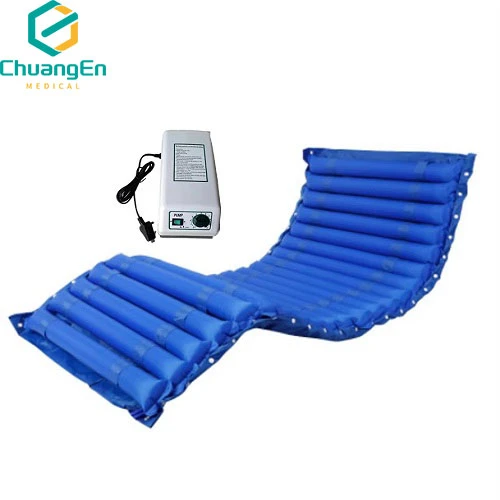
In plain terms, a bed sore relief mattress is a specially designed mattress that helps prevent pressure ulcers by distributing body weight evenly or alternating pressure under the body to improve blood flow. Unlike ordinary mattresses, these are made to reduce friction, shear, and prolonged pressure on vulnerable areas like heels, hips, and tailbones. These mattresses often use advanced materials — think high-density foam, gel-infused layers, or alternating air cells. They’re common in hospitals, nursing homes, and home care for people with limited mobility. The connection to modern healthcare isn’t just in the product itself, but its role within comprehensive caregiving and rehabilitation programs.Core Components of an Effective Bed Sore Relief Mattress
1. Pressure Redistribution
At the heart of any bed sore relief mattress is its ability to redistribute pressure away from bony prominences. Some designs rely on foam contours, while others use air or water to gently shift pressure areas. This minimizes tissue damage and supports healing.2. Material Quality and Durability
High-quality, medical-grade materials resist moisture and bacterial growth — crucial for infection control. Durability matters because these mattresses often endure heavy use, cleaning, and patient transfers without degrading. The longevity of a mattress can save caregivers a lot of headaches (and budgets).3. Adjustability and Customization
Modern mattresses might feature adjustable firmness or alternating pressure cycles controlled electronically. Customization to patient needs —weight, condition, sleeping position— is an underrated factor that often makes or breaks effective pressure relief.4. Hygiene and Maintenance
Removable waterproof covers, antimicrobial properties, and ease of cleaning significantly affect a mattress’s real-world usefulness. If a mattress is difficult to clean, it becomes a breeding ground for infections, defeating the purpose altogether.5. Portability and Weight
For home care or emergency relief scenarios, mattresses need to be easy to transport and set up quickly yet sturdy enough for continual use. Balancing weight and functionality isn’t easy, but many modern designs deliver just that.Mini Takeaway:
Bed sore relief mattresses aren’t all alike. Their value lies in pressure management, material quality, adaptability, hygiene, and usability. Knowing these helps caregivers make smarter choices.Where Are Bed Sore Relief Mattresses Making the Biggest Difference?
The applications span healthcare settings globally. In acute care hospitals in North America and Europe, they're routine tools in patient rooms. In long-term care facilities, they’re essential for assisting immobile elderly residents. Interestingly, some humanitarian organizations use portable bed sore relief mattresses during disaster relief missions or refugee camps where medical infrastructure is limited. In these settings, mattresses with easy cleaning and durability save valuable resources. In remote industrial zones — such as mining or oil extraction sites — where injuries or illnesses might leave workers temporarily immobilized, these mattresses support recovery on-site without costly transfers.Example:
A recent case in a rehabilitation center in Japan combined alternating pressure mattresses with physiotherapy for spinal injury patients, improving healing times and preventing secondary infections.Advantages and Long-Term Value: More Than Just Comfort
Certainly, these mattresses improve patient comfort, offering relief from pain and pressure. But beyond that, they deliver measurable advantages: - Cost Savings: Prevention is generally cheaper than treatment—fewer hospital stays for pressure ulcer complications. - Sustainability: Durable, reusable materials help lower medical waste compared to makeshift alternatives. - Social Impact: They preserve patient dignity by minimizing painful wounds and reducing the workload for caregivers. - Reliability: Trusted by clinicians worldwide, they enhance overall care quality and trust in health services. On a human level, safety and dignity often cannot be measured, but those are why these mattresses matter profoundly.Looking Ahead: Innovations and Trends in Bed Sore Relief Mattresses
As with many healthcare domains, innovation never stops. Here are some exciting trends: - Smart Mattresses: Integrated with sensors monitoring pressure points and real-time alerts to caregivers. - Eco-friendly Materials: Biodegradable covers and foams that reduce environmental footprints. - Digital Monitoring & Telehealth: Pairing mattresses with apps to track patient positioning remotely. - 3D-Printed Customized Mattresses: Tailor-made support surfaces matched precisely to body contours. - Energy-Efficient Alternating Pressure Systems: Reducing electricity consumption while maximizing therapeutic effects. These developments align well with the increasing digital transformation and sustainability efforts in global healthcare.Common Challenges and Expert Solutions
Of course, no solution is perfect. Some obstacles include: - Cost Barriers: Quality mattresses can be expensive upfront. - Limited Awareness: Not all caregivers fully understand the product’s importance. - Maintenance Complexities: Electronic systems require training and upkeep. - Access in Remote Areas: Transportation and supply chain issues hinder availability. Experts recommend investing in training programs, prioritizing multi-use durable designs, and exploring partnerships with NGOs to improve distribution in underserved regions. Maintenance protocols tailored to facility resources also help.Product Specification Table
| Feature | Specification | Notes |
|---|---|---|
| Dimensions | 80" x 36" x 8" | Standard hospital bed size |
| Material | High-density foam with gel layer | Enhanced pressure relief |
| Weight Capacity | Up to 350 lbs | Supports most adult patients |
| Cover | Waterproof, antimicrobial, removable | Easy cleaning, infection control |
| Pressure Type | Static foam & gel hybrid | Affordable, no external pump needed |
Vendor Comparison: Choosing the Right Bed Sore Relief Mattress
| Brand | Price Range | Key Features | Warranty |
|---|---|---|---|
| CareRelief Pro | $800 - $1,100 | Alternating air cells, digital control | 5 years |
| HealthEase Foam | $450 - $650 | Gel-infused memory foam, antimicrobial cover | 3 years |
| MediRest Static | $300 - $500 | Basic foam mattress, waterproof cover | 2 years |
Frequently Asked Questions About Bed Sore Relief Mattresses
Q1: How often should a bed sore relief mattress be replaced?
A quality bed sore relief mattress typically lasts between 3 to 5 years, depending on usage and maintenance. Regular inspections for firmness and cover integrity are crucial. Heavily used or soiled mattresses should be replaced sooner to maintain effectiveness and hygiene.
Q2: Can bed sore relief mattresses be used at home for elderly care?
Absolutely. Many caregivers use these mattresses at home to support mobility-impaired family members. Portable and easy-to-clean models suit home care best, and they can significantly reduce pressure ulcer risks outside clinical settings.
Q3: Do alternating pressure mattresses require electricity?
Yes, alternating pressure mattresses use pumps to inflate and deflate air cells cyclically, so they need electricity. However, static foam or gel mattresses don’t require power but may not be as effective for high-risk patients.
Q4: Are these mattresses covered by insurance?
Coverage varies by country and insurer. In many cases, if prescribed by a healthcare professional as a medical necessity, bed sore relief mattresses qualify for reimbursement. It’s best to check with your provider.
Q5: How do I clean and maintain the mattress?
Most mattresses feature removable, waterproof, and antimicrobial covers that can be wiped down or machine washed. Avoid harsh chemicals on foam layers; regular airing out and inspection extend lifespan.