Understanding the App Pad for Hospital Bed: Why It Matters More Than Ever
Have you ever noticed how the little things in hospital care often make the biggest difference? The
app pad for hospital bed is one such item. At first glance, it might seem like just another hospital accessory, but its real value lies beneath the surface — quite literally under the patient. Globally, as healthcare systems grow more complex and patient comfort becomes paramount, understanding these small yet impactful tools is vital.
From enhancing patient safety to supporting medical staff, the app pad for hospital beds addresses a universal challenge: how to create a more hygienic, comfortable, and functional healing environment. As the World Health Organization reports, improving healthcare quality is critical to reducing hospital-acquired infections worldwide.
1 So, this simple device steps into a big role — and that's why it deserves our attention.
---
Introduction: The Global Importance of App Pads in Healthcare Environments
The world’s aging population, combined with rising chronic disease cases, has pressured hospitals and care facilities to innovate. According to the United Nations, people aged 60 years or over are expected to total 2.1 billion by 2050.
2 That shift means more beds, more patients, and more need for efficient care tools.
One snag many facilities face is maintaining bed hygiene and patient comfort amid heavy use. Enter the app pad for hospital bed — designed to simplify bed adjustments, reduce skin injuries like pressure ulcers, and support infection control protocols.
Sadly, pressure ulcers alone affect up to 3 million adults in the United States each year, with prolonged hospitalization as a leading factor.
3 The right pad can dramatically relieve this issue, making it both a patient safeguard and a cost-saving measure.
---
What Exactly is an App Pad for Hospital Bed?
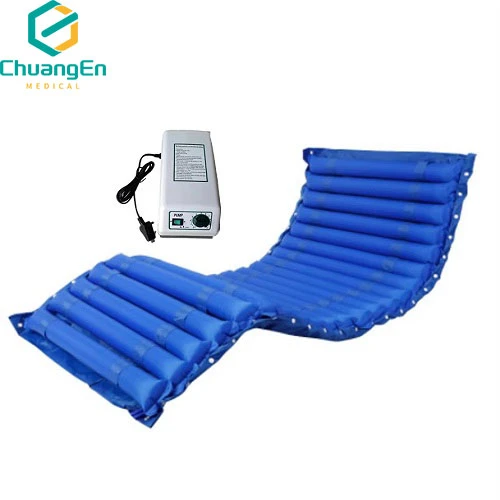
In plain terms, an app pad for hospital bed is a specially designed cushion, often layered with smart materials, that fits beneath patients on hospital beds. Its core function? Cushioning pressure points, absorbing moisture, and sometimes integrating app-connected sensors to track patient movements or bed adjustments.
This is not just foam or gel slapped together. Modern versions blend ergonomics, materials science, and digital tech, a nod to today's “smart healthcare” trend.
Think of it as the subtle superhero of inpatient care, quietly preventing harm, optimizing comfort, and feeding crucial data back to healthcare teams.
---
Core Components That Make App Pads So Effective
1. Durability and Hygiene
Hospital environments are tough. Pads must withstand rigorous cleaning with harsh disinfectants without degrading or harboring bacteria. Materials like medical-grade polyurethane or antimicrobial-coated fabrics do this job well.
2. Pressure Redistribution
The pad’s primary role is easing pressure off vulnerable body parts — notably the sacrum, heels, and elbows — to reduce bed sore risk. Multi-layer designs with memory foam or gel inserts enhance this.
3. Moisture and Temperature Management
Sweat and incontinence can severely damage skin integrity. Many pads use breathable, moisture-wicking fabrics or specialized venting to keep skin dry and comfortable.
4. Integration with Apps and Sensors
In the age of digital healthcare, some pads connect wirelessly to apps providing data on patient posture, movement frequency, or bed exits — helping nurses intervene early.
5. Cost Efficiency and Scalability
Hospitals must balance effectiveness with budgets. So, pads that are easy to clean and reusable without quick wear help stretch resources.
---
Global Applications and Real-Life Use Cases
From every continent, the usage of app pads for hospital beds tells a story of adaptation to local needs.
-
In Europe, hospitals emphasize tech-integrated pads. For example, German intensive care units use sensor-equipped pads that alert staff to reposition patients, reducing bed sores by 30%.
4
-
In Asia, where long hospital stays are common, inexpensive but effective pads focus on moisture control and durability.
-
In low-resource regions, NGO projects often distribute affordable, easy-to-clean app pads during post-disaster relief operations to prevent worsening patient conditions in temporary clinics.
-
Long-term care facilitiesin North America and Australia prefer pads that combine comfort with infection control, matching stringent health authority guidelines.
Each application context tweaks the core design for specific challenges — yet all revolve around universal goals of safety and comfort.
Mini takeaway: Wherever you are in the world, the app pad for hospital bed blends technology, design, and practical needs to improve outcomes.
---
The Tangible and Intangible Benefits of Using App Pads
Advantages range from the purely logical to the deeply human.
-
Cost savings: By preventing pressure ulcers, hospitals save thousands on treatment and extended stays.
-
Improved patient dignity: Comfortable pads reduce pain, improve sleep, and preserve skin integrity.
-
Increased staff efficiency: Smart pads reduce manual monitoring, freeing nurses for other care.
-
Enhanced safety: Moisture-wicking fabrics lower infection risk.
-
Environmental sustainability: Durable, reusable materials mean less waste.
In short, they support better healing and operational efficiency — a win-win in stretched healthcare systems.
---
App Pad for Hospital Bed: Product Specifications
| Specification |
Details |
| Dimensions |
80 x 75 x 3 cm (standard size) |
| Material |
Medical-grade polyurethane foam, antimicrobial top layer |
| Weight Capacity |
Up to 150 kg |
| Connection |
Optional Bluetooth sensors for patient movement monitoring |
| Cleaning |
Waterproof, washable surface; compatible with hospital disinfectants |
| Warranty |
2 years |
---
Vendor Comparison of Popular App Pads for Hospital Beds
| Brand |
Key Feature |
Price Range |
Warranty |
Unique Selling Point |
| MediCushion Pro |
Embedded Bluetooth sensors |
$250 - $300 |
2 years |
Smart alert system for nurses |
| SafeRest Mat |
Antimicrobial coating |
$150 - $200 |
1 year |
Highly durable & easy cleaning |
| ComfortGel Pad |
Gel-infused foam for pressure relief |
$200 - $260 |
2 years |
Excellent for long-term care |
---
Emerging Trends and What’s Next for App Pads in Hospital Care
Looking ahead, the fusion of digital health and sustainable design will shape app pad evolution:
-
Smart Integration: More pads will sync with hospital data systems, instantly updating patient records or even integrating AI to predict complications.
-
Eco-Conscious Materials: Biodegradable or recycled materials that maintain hygiene and durability will gain traction, partly driven by ISO healthcare waste standards.
5
-
Customized Fit: Advances in 3D scanning could lead to patient-specific pads, tailoring support for unique body shapes and pressure points.
-
Energy Harvesting: Some prototypes explore pads that generate small amounts of power from patient movement to run embedded sensors — neat, right?
---
Challenges and How Facilities are Tackling Them
While app pads promise a lot, real-world use isn’t all smooth sailing.
-
Cost Constraints: Top-tier pads with sensors can be pricey — not always affordable for smaller or rural clinics.
-
Cleaning Complexity: Sophisticated electronic components require careful maintenance to avoid damage.
-
User Training: Nurses and staff need proper onboarding to leverage the tech features effectively.
To combat these, many vendors offer modular systems where apps and electronics can be detached for cleaning. Grants and bulk purchasing also ease costs. Plus, manufacturers now provide thorough demo and training sessions — a small investment for better patient outcomes.
---
FAQ: Common Questions About App Pads for Hospital Beds
- Q: How do app pads prevent pressure ulcers?
A: These pads redistribute body weight evenly using layers of foam or gel, reducing constant pressure on vulnerable skin areas to prevent sores from developing.
- Q: Are app pads compatible with all hospital beds?
A: Most standard pads fit common bed sizes, but it’s essential to check dimensions. Some manufacturers offer customizable pads to fit specialty beds.
- Q: Can I use app pads with monitoring apps on my phone?
A: Many modern pads include Bluetooth connectivity and companion apps, compatible with Android and iOS. However, confirm device compatibility before purchasing.
- Q: How do I clean and maintain sensor-equipped pads?
A: Most sensor sections are removable. The pad covers typically are waterproof and compatible with hospital disinfectants. Always follow manufacturer cleaning guidelines.
- Q: Do app pads really improve patient comfort?
A: Absolutely. Patients report better sleep quality and less discomfort, which supports recovery and reduces anxiety during hospital stays.
---
Wrapping Up: Why the App Pad for Hospital Bed is Here to Stay
So, what’s the big picture? The
app pad for hospital bed has quietly become an indispensable piece in the healthcare puzzle, turning humble hospital beds into smarter, safer, more comfortable spaces. Whether it’s a sensor-equipped high-tech model or a rugged antimicrobial cushion, the impact touches patients, caregivers, and facilities alike.
Forward-thinking hospitals that adopt these solutions not only improve care quality but also pave the way for future advancements — all while keeping patient dignity front and center. Curious to explore more about these innovations and see how they fit into your institution? You know where to head next.
1. World Health Organization, “Prevention of hospital-acquired infections,” 2020.
2. United Nations, “World Population Ageing 2019,” ST/ESA/SER.A/444.
3. National Pressure Ulcer Advisory Panel, statistics overview, 2022.
4. European Journal of Nursing, “Impact of sensor pads on ICU patients,” 2021.
5. ISO 14001 Environmental Management Standards.
---