What Are Air Beds for Patients Without Pump—and Why Do They Matter?
When we talk about air bed for patients without pump, usually the mind goes to the more common dynamic air mattresses featuring pumps to redistribute pressure. But there’s a quietly growing niche in healthcare — air beds that don’t rely on pumps at all. Why’s this subtle difference important? Globally, more than 18 million people suffer from pressure ulcers each year, especially in settings where electricity or complex equipment is limited (1). Understanding these pump-free air beds means enhancing patient comfort, reliability, and care accessibility far beyond high-tech hospitals.
These mattresses offer a simple, energy-free solution, perfect for remote regions, disaster zones, and facilities with scarce resources. Plus, no pump means fewer breakdowns and simpler maintenance. It's an elegant approach that combines low-tech practicality with patient dignity and safety — a crucial combo across many global healthcare contexts.
The Global Context: Why the Air Bed Without Pump is Rising in Importance
Think about it: In low- and middle-income countries, hospitals rarely have the luxury of uninterrupted power, and equipment breakdowns are unfortunately common. According to the World Health Organization, pressure injuries can double hospital stays and inflate costs by up to 50%. Many of these wounds are preventable with proper support surfaces (2).
But here’s the “rub”—traditional air beds with pumps can be expensive, noisy, and complicated to maintain, especially in fragile or temporary healthcare setups. That’s where air bed for patients without pump come in: They sidestep power dependencies without compromising patient comfort. Relief agencies, rural clinics, and veteran care homes have started embracing these systems to ensure continuous care without the risk of sudden mattress failure.
A Rising Need and Response
- Pressure ulcer prevalence worldwide calls for innovative pressure-relief solutions.
- Many settings lack stable electricity or biomedical maintenance personnel.
- Non-pumped air beds answer these hurdles by being inherently stable and low-maintenance.
What Exactly Is an Air Bed for Patients Without Pump?
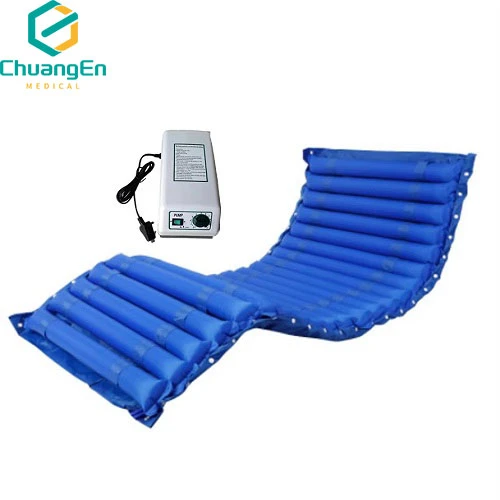
Simply put, an air bed for patients without pump is a specialized medical mattress that uses static air cells or cleverly engineered foam-air hybrids that distribute pressure without the need for continual pressurization by an electric pump. Rather than blustering up and down, these beds rely on pre-inflated air chambers or self-adjusting materials that contour subtly to patient movement.
Think of it as a well-engineered cushion of air that doesn’t sing a buzzing tune or risk sudden deflation if the power cuts out. It’s a return to simplicity but underpinned by modern medical-grade materials and ergonomic design.
In practical terms, these air beds:
- Reduce prolonged pressure on vulnerable skin
- Lower risk of pressure ulcers without noisy machinery
- Are lightweight and easily transportable for emergency or field use
- Are often compatible with standard bed frames
Why It Matters in Industry and Humanitarian Needs
On a humanitarian level, these beds support dignity and safety during crises where powering a pump is impossible. Within industries like elder care or rehabilitation, they offer reliability even in outages. It’s basically an old-school principle updated with modern needs in mind.
Core Components of Air Beds Without Pumps
1. Durable, Medical-Grade Air Chambers
These beds rely on tough, puncture-resistant air pockets filled ahead of time. Materials are usually antibacterial and moisture-resistant — think polyurethane with a heavy-duty exterior coating.
2. Ergonomic Pressure Distribution Layer
Beneath or atop the air cells, foam or gel layers often help spread out body pressure, minimizing shear and friction injuries.
3. Lightweight Yet Robust Construction
Portability is key for emergency use. Many models use lightweight frames and flexible air bladders for ease of transport.
4. Low Maintenance, No Electricity
With no mechanical pump involved, upkeep tends to be purely manual — visual inspections for leaks and periodic inflation as needed.
5. Compatibility with Standard Hospital Equipment
Designed to fit existing beds, these mattresses don’t require additional infrastructure investment.
Specifications: A Typical Air Bed for Patients Without Pump
| Attribute | Description |
|---|---|
| Dimensions | 200cm x 90cm x 15cm (standard single bed size) |
| Material | Medical-grade polyurethane air chambers with antimicrobial coating |
| Weight | Approx. 5.5 kg |
| Max Load Capacity | Up to 180 kg |
| Inflation System | Manual inflation at setup; no pump required during use |
| Cover | Removable, waterproof, and washable |
Who’s Leading the Market? Vendor Comparison
| Brand | Price Range | Material Quality | Portability | Warranty | Best Use Case |
|---|---|---|---|---|---|
| ChuangEn Medical | $$$ | High (Medical-grade PU) | Light & foldable | 2 years | air bed for patients without pump - Emergency & clinical use |
| MedSoft Solutions | $$ | Medium | Moderate | 1 year | Nursing homes |
| ClearCare Supplies | $ | Basic | Heavy | 6 months | Home care |
Real-World Use Cases Around the Globe
One fascinating aspect I noticed is how NGOs and health ministries deploy these pump-free air beds in disaster aftermaths—earthquakes in Nepal, floods in Mozambique, and refugee camps in parts of the Middle East. These beds keep patients safe without the constant worry of power outages or mechanical failures.
In industrial zones with mobile clinics and off-grid mining camps, durability combined with zero pump dependency allows workers in rehabilitation to rest securely.
What about veteran care centers? These facilities often struggle with budget but can’t afford equipment failures. Static air beds serve them well—balancing safety and cost-efficiency.
Advantages & Long-Term Value of Pump-Free Air Beds
- Reliability: No electronic parts means far fewer failures and easier troubleshooting.
- Cost Efficiency: Less maintenance, no electricity bills, and reduced replacement costs.
- Patient Safety & Dignity: Continuous pressure relief means fewer ulcers, less pain, and greater comfort.
- Eco-Friendly: No power consumption aligns with sustainability goals—especially in remote regions.
- Ease of Transport: Especially critical in emergency and field medicine.
Future Trends: Innovation Beyond the Pump
The field isn’t standing still, oddly enough. Advanced materials like viscoelastic foam integrated with static air chambers are making patient surfaces smarter without moving parts. Manufacturers explore self-regulating air compartments that respond to body heat or weight without electronics — a kind of “silent intelligence.” Some companies experiment with sustainable bio-based polymers to further green the product footprint.
Digitally, we see more remote monitoring of mattress integrity—via pressure sensors integrated into the fabric, sending status updates to caregivers’ phones. It’s a future where the mattress quietly watches over you without a buzzing pump.
Facing Challenges: What Limits Current Designs and How We Overcome Them
Of course, no product is perfect. These beds often require initial manual inflation, which can be a bit of a hassle. Leaks, though rare with quality materials, need vigilance. Plus, static air doesn’t offer dynamic pressure redistribution like motorized models, which may affect some patients’ outcomes.
Experts suggest pairing these beds with routine repositioning protocols and sealing innovations to extend lifespan. Some reflect that training for caregivers in low-tech environments is as critical as the bed itself.
FAQ: Your Questions About Air Bed for Patients Without Pump
Q1: How do air beds without pumps prevent pressure ulcers without continuous air circulation?
A: These beds use pre-inflated air chambers combined with layers of pressure-diffusing foam or gel to evenly distribute weight. While they lack dynamic adjustment, their design reduces pressure points effectively when complemented by regular patient repositioning.
Q2: Are air beds without pumps suitable for long-term patient care?
A: Yes, especially in locations with limited power supply. Their low-maintenance nature and reliable pressure relief make them a common choice in regional hospitals and home care, although high-risk patients may require more advanced systems.
Q3: Can these air beds be used on standard hospital beds?
A: Absolutely. Most designs are compatible with standard frame sizes and do not require special modifications, making integration easy and cost-effective.
Q4: What maintenance is required to ensure the air bed functions optimally?
A: Regular visual inspections for leaks, occasional manual reinflation, and cleaning the waterproof cover are generally all that’s needed to keep these beds in good shape.
Q5: Where can I learn more or purchase reliable air beds without pumps?
A: Trusted suppliers like ChuangEn Medical specialize in these products, offering a range of models suited to different care settings and budgets.
Final Thoughts: Why Air Beds Without Pumps Are an Unsung Healthcare Hero
In real terms, these quiet bed systems deliver more than just patient comfort—they enhance healthcare delivery fundamentally where power and maintenance are luxuries, not givens. If you care about cost-effective, durable solutions that improve patient outcomes without fuss, it’s worth exploring what an air bed for patients without pump can do. It feels like the right tool at the right time for a world increasingly focused on resilience, dignity, and sustainability.
Interested? Visit our website to see the latest models tailored for diverse care needs.