The Rising Importance of Air Beds for Pressure Sores
Pressure sores, or bedsores, are one of those persistent medical challenges that quietly affect millions around the world, especially patients who are bedridden or immobile. In the fight to prevent and treat these painful skin lesions, air beds for pressure sores have emerged as a vital tool—not just a luxury or a niche product. They help redistribute pressure, improve blood flow, and ultimately preserve dignity for vulnerable patients, whether in hospitals, elder care, or home environments.
With global populations aging and chronic disease on the rise, the relevance of air beds really spans the medical industry and humanitarian efforts alike. It’s like this invisible, life-improving tech that can truly change outcomes, reduce healthcare costs, and improve quality of life.
Why Global Health Systems Depend on Air Beds for Pressure Sores
To put this into perspective, the World Health Organization estimates that chronic wounds, including pressure ulcers, affect up to 10% of hospital patients worldwide—figures rising along with aging populations. According to a UN report on health equity, pressure sores contribute to prolonged hospital stays and higher morbidity, especially in low-resource settings. So where resource allocation is lean, something like an air bed may make or break patient outcomes.
Yet, despite their effectiveness, pressure sores remain a stubborn problem, partially because not all healthcare systems prioritize proper mattresses and beds tailored for pressure relief. The good news? Innovations in the air bed domain continue to address this gap by combining practicality, affordability, and portability, making them scalable for diverse settings—from major metropolitan hospitals to remote field clinics.
What Exactly Is an Air Bed for Pressure Sores?
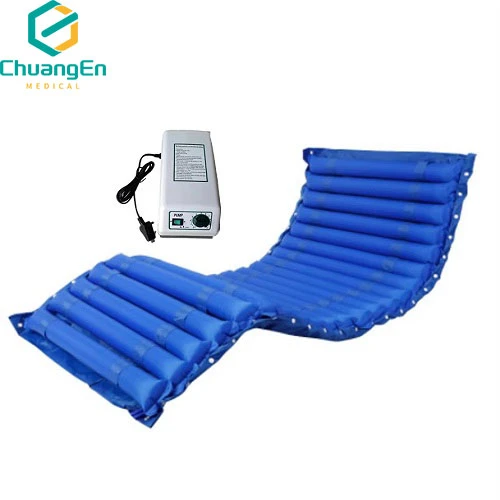
In simplest terms, an air bed for pressure sores is a specially designed mattress that uses alternating air cells or continuous low-pressure systems to relieve pressure from vulnerable body parts. Instead of a static foam mattress, these beds periodically change the point of contact, which prevents skin breakdown and promotes healing. It’s a bit like giving your skin a breathing space it desperately needs.
They’re far more than just inflated cushions. These beds are connected to microprocessor-controlled pumps, designed with medical-grade materials, and built for hygiene and infection control. Their rise is linked deeply to modern medical standards and an increasing focus on patient-centered care, particularly in gerontology and rehabilitation.
Key Aspects of Air Beds for Pressure Sores
1. Pressure Redistribution
The core feature is the capacity to redistribute body pressure over a larger surface area. It’s crucial for reducing ischemia on bony prominences, the classic spots for developing ulcers.
2. Durability and Materials
Medical-grade PVC or nylon is typically used, ensuring both durability and resistance to fluid contamination. Many patients remain on such beds for weeks or even months, so the mattress must withstand constant use without degrading.
3. Scalability and Portability
Some models focus on easy transportation for home care or disaster relief, while others integrate into hospital beds for continuous monitoring. A lightweight design is often balanced with structural support.
4. Cost Efficiency
While not always cheap upfront, many healthcare providers find air beds more cost-effective than treating advanced pressure ulcers, which require surgery, antibiotics, and extended care.
5. Comfort and Patient Compliance
Patients report feeling more comfortable with gentle alternating pressure and temperature control features—no small detail when you think how long they spend idling in bed.
Quick Takeaway:
All these components combined show just why an air bed for pressure sores is far from a one-trick pony; it’s an integrated solution so essential it kind of feels like the unsung hero in patient care.
Global Applications and Where Air Beds Matter Most
When I first visited a hospital ward in Southeast Asia, I noticed many patients lying on hard, standard mattresses — and the rate of pressure sore complications was staggering. But in richer countries or well-funded NGOs, air beds are becoming standard practice.
In disaster relief scenarios, such as post-earthquake zones, medical tents outfitted with portable air beds help reduce infections and secondary complications. Elder care facilities in Europe and North America routinely include these beds to improve patient outcomes, and emerging markets are beginning to adopt them as cost-effectiveness is proven.
Notably, some manufacturers (>— you can see them in air bed for pressure sores product catalogs —>) are working with governments and NGOs to distribute air bed systems in refugee camps and remote regions, where traditional hospital beds aren’t feasible.
The Advantages and Long-Term Value of Air Beds
- Cost Savings: Preventing ulcers saves medical bills that would balloon in wound care and treatment.
- Reduced Patient Suffering: Pressure sores are painful and debilitating, so prevention preserves dignity and comfort.
- Improved Outcomes: Faster healing, fewer infections, less risk of complications.
- Sustainability: Modern beds use washable covers, replaceable air cells, and durable materials, lowering waste.
- Innovation and Reliability: Advances in sensors and digital controls enhance patient monitoring and ensure consistent pressure management.
A Small Note on Emotion
Honestly, it feels like the difference between telling a patient “we’re just making you comfortable” and saying, “we’re actively protecting you every moment you rest.” There’s real trust and reassurance in that — especially in long-term care.
Emerging Trends and Innovations
The intersection of digital health and air therapy mattresses is fascinating. More beds now include IoT-enabled monitoring allowing nurses to track pressure continuously and adjust automatically. Green energy solutions also play a role: some pumps are battery-efficient or solar-powered, ideal for off-grid locations.
Materials science advancements are popping up, too, with antimicrobial coatings, breathable membranes, and even self-healing polymers under development.
Ultimately, the future air bed might be smart, sustainable, and seamlessly integrated into the patient’s electronic health record. That’s the dream.
Challenges and Innovative Solutions
But it’s not all smooth sailing. Common hurdles include affordability, patient movement affecting performance, and maintenance demands. Older models can be noisy or cumbersome.
Providers are addressing these issues by designing modular air cells for easy swaps, quieter pumps, and offering rental or leasing services to reduce upfront costs. There’s also increased training for caregivers to ensure proper usage, which can often be overlooked.
Mini Summary:
To sum up, tackling these problems isn’t just a tech challenge but one involving policy, education, and market access—so expect more holistic efforts ahead.
Product Specification Table
| Feature | Typical Description |
|---|---|
| Material | Medical-grade PVC, nylon, antimicrobial cover |
| Weight Capacity | Up to 150 kg (330 lbs) |
| Pump Type | Electric, low-noise, alternating pressure pump |
| Pressure Settings | Adjustable, 20-100 mmHg |
| Dimensions | 200 x 90 x 15 cm (standard adult size) |
| Power Supply | 110-240V AC, optional battery backup |
| Warranty | 1-3 years depending on model |
Vendor Comparison for Air Bed Solutions
| Vendor | Price Range | Key Features | Best For |
|---|---|---|---|
| ChuangEn Medical | Mid to High | Customizable, IoT-enabled, durable covers | Hospitals, long-term care |
| MedAir Corp | Budget | Portable, simple controls, lightweight | Home care, emergency relief |
| AirPrevent Systems | High-end | Advanced pressure sensing, automatic adjustments | Specialized clinics, critical care units |
Frequently Asked Questions About Air Beds for Pressure Sores
Q1: How does an air bed for pressure sores prevent skin breakdown?
Air beds use alternating pressure cells or continuous low-pressure therapy to redistribute weight away from vulnerable areas. This helps improve blood flow and reduces tissue compression, which are key factors in skin breakdown.
Q2: Can these air beds be used for home care patients?
Absolutely. Many air beds are designed with portability and easy setup in mind to support home care patients who are immobile or at risk of pressure sores. Some even come with battery-powered pumps for greater flexibility.
Q3: Are there specific maintenance requirements?
Regular cleaning of mattress covers, periodic inspection of air cells for leaks, and pump servicing are essential to maintain effectiveness and hygiene. Most manufacturers provide clear maintenance guidelines.
Q4: How long do air beds typically last?
With proper care, high-quality air beds can last several years, but longevity depends on usage intensity and environment. Warranty periods usually reflect expected lifespan, generally 1-3 years.
Q5: Is an air bed for pressure sores covered by insurance?
Coverage varies by country and insurance provider. In many regions, when prescribed by a healthcare professional, air beds or pressure-relieving mattresses may be partially or fully reimbursed.
Conclusion: Stepping Up Care and Comfort
The long-term benefits of investing in air beds for pressure sores go far beyond simple comfort; they are integral to effective patient care, cost management, and quality of life improvements. While challenges remain, the path forward is paved with innovation, expertise, and genuine compassion. Whether you’re a healthcare professional, caregiver, or industry stakeholder, keeping an eye on these advances is crucial.
Ready to explore solutions? Visit our website for more specialized options: https://www.chuangenmedical.com.