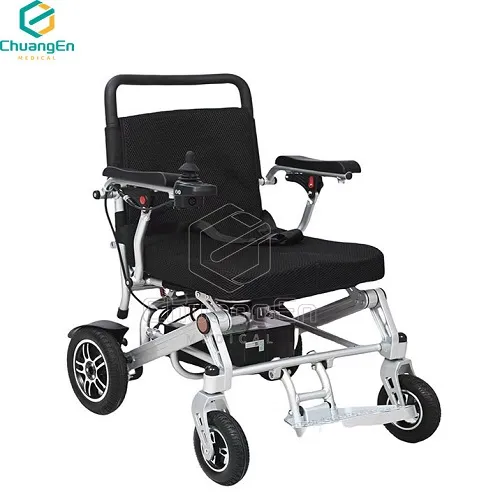
Power Electric Wheelchair is a key solution in the industry, specifically within mobility and medical equipment sectors. This article explores how https://www.chuangenmedical.com supports professionals with durable, high-performance products, and explains why this product is an ideal choice for businesses in these sectors.
Table of Contents
- Power Electric Wheelchair Overview
- Benefits & Use Cases of Power Electric Wheelchair
- Cost, Maintenance & User Experience
- Sustainability & Market Trends
Power Electric Wheelchair Overview
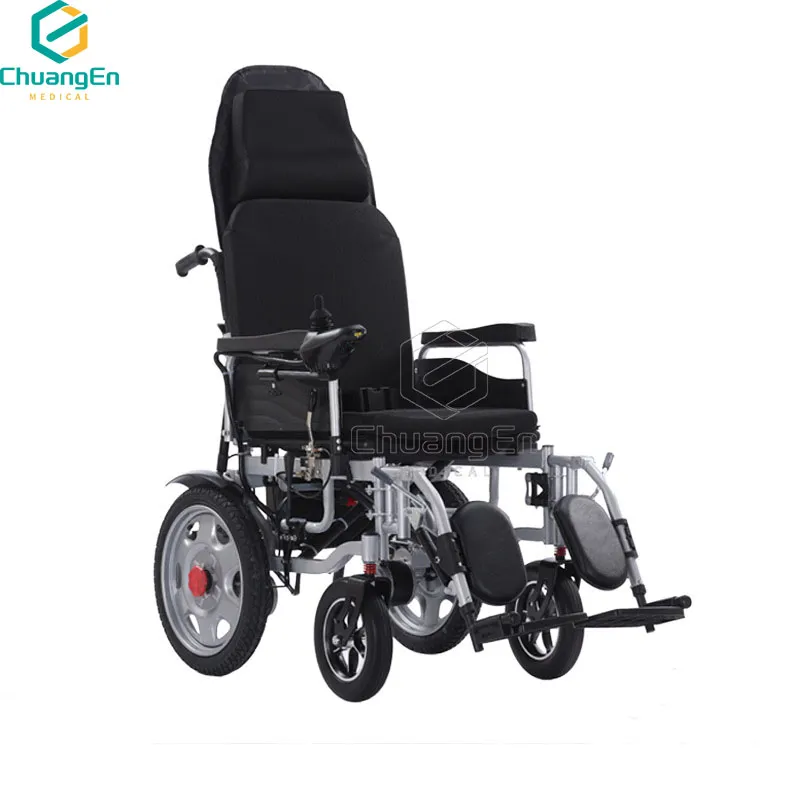
The Power Electric Wheelchair is more than just a mobility device; it’s a blend of advanced technology, user-centric design, and practical performance that caters to individuals requiring enhanced mobility support. Frankly, in industrial and institutional contexts, these wheelchairs serve a critical role, enabling users to navigate spaces safely and efficiently. Technically, they combine electric motors and rechargeable batteries with ergonomic seating and intuitive control systems to provide both comfort and power.
- Typically equipped with brushless DC motors that offer quiet, smooth propulsion.
- Battery technologies generally span lithium-ion for longevity and lightweight profiles.
- Example specs include a top speed of around 6–8 km/h, range of 20–30 km per charge, and adjustable seating dimensions.
| Specification | Details |
|---|---|
| Motor Type | Brushless DC Motor |
| Battery | Lithium-Ion, 24V/20Ah |
| Maximum Speed | 6-8 km/h |
| Range (per charge) | 20-30 km |
| Weight Capacity | Up to 120 kg |
Benefits & Use Cases of Power Electric Wheelchair
In real terms, the benefits of power electric wheelchairs extend beyond mere mobility. Industries like healthcare facilities, rehabilitation centers, and eldercare homes heavily rely on them for providing patients and residents with autonomy and safety. You know, the efficiency built into these devices is truly something — adaptable speed controls, smooth terrain handling, and ergonomic seats that reduce fatigue. Oddly enough, many decision-makers overlook how this equipment boosts operational productivity simply by reducing manual handling or assistance needs.
- Use in hospitals to increase patient mobility indoors, facilitating therapy and ease of movement.
- Institutional use for aged care, where comfort and reliability are crucial to maintaining dignity.
- Adaptable for diverse terrains, useful in large industrial campuses or warehouses with varied floor surfaces.
| Feature | Competitive Advantage |
|---|---|
| Battery Performance | Long-lasting lithium-ion with fast recharge |
| Control Panel | User-friendly joystick, customizable sensitivity |
| Frame Design | Lightweight aluminum alloy, foldable for transport |
| Safety Features | Anti-tip wheels, electromagnetic brakes |
Cost, Maintenance & User Experience
Let’s get down to brass tacks. When evaluating power electric wheelchairs, total cost of ownership isn’t just the sticker price. Durability and ease of maintenance count a ton. Many business operators I’ve talked with say that devices from manufacturers like Chuangen strike a good balance — solid build quality combined with sensible maintenance intervals, which reduces surprise costs. You could almost say these chairs pay for themselves with reduced downtime and lower operational demands.
- Battery life typically sustains over 500 charging cycles before needing replacement.
- Routine maintenance focuses on checking electrical connectors and wheel integrity, quite straightforward.
- User feedback is consistently positive on comfort and control – especially for long-duration use.
Sustainability & Market Trends
Sustainability is increasingly a hot topic, not just the buzzword it was five years ago. Electric mobility devices like these wheelchairs inevitably connect to the broader strokes of environmental regulation and responsible sourcing. Lithium-ion battery recycling and energy efficiency standards are shaping the market as manufacturers respond to global calls for greener solutions. For B2B buyers, selecting a vendor compliant with international eco-standards is becoming standard practice. Plus, the market continues to grow steadily as aging populations demand innovative mobility solutions, pushing suppliers to innovate faster and smarter.
Frequently Asked Questions about Power Electric Wheelchair
- What is Power Electric Wheelchair and how does it work?
- A Power Electric Wheelchair is a mobility device powered by electric motors controlled via joystick or other interfaces. It helps users move independently without manual effort, using rechargeable batteries that supply the necessary energy.
- What are the main benefits of using Power Electric Wheelchair in industrial applications?
- They offer enhanced mobility with minimal physical strain, improving efficiency and safety. Their robust design reduces downtime and maintenance needs, making them cost-effective solutions for healthcare and institutional settings.
- How does Power Electric Wheelchair compare to traditional alternatives?
- Compared to manual wheelchairs, electric versions provide independent movement without fatigue. They typically feature longer ranges, better terrain adaptability, and advanced safety features, making them more suitable for professional environments.
- What industries can benefit most from Power Electric Wheelchair implementation?
- Main sectors include hospitals, rehabilitation centers, eldercare facilities, and large-scale industrial campuses that need to accommodate individuals with mobility challenges efficiently and safely.
Conclusion on Power Electric Wheelchair from China
Summing up, the Power Electric Wheelchair stands out as a pivotal tool for modern mobility solutions within professional sectors. Its blend of user-focused design, reliability, and cost-efficiency makes it a compelling investment for businesses aiming to upgrade patient care or workforce inclusivity. If you’re scouting for a partner producing these devices with solid credentials, visiting our website is a smart next step.
A final thought – choosing the right power electric wheelchair isn’t just about specs; it’s about finding the right match for your operational needs and future-proofing mobility solutions.
- Industry studies on electric mobility trends, 2023.
- User experience surveys in healthcare equipment, 2022.
- Regulatory updates on battery disposal and eco requirements, 2024.