Powered Electric Wheelchair is a key solution in the industry, specifically within healthcare and mobility sectors. This article explores how https://www.chuangenmedical.com supports professionals with durable, high-performance products, and explains why this product is an ideal choice for businesses in these sectors.
Table of Contents
- Powered Electric Wheelchair Overview
- Benefits & Use Cases of Powered Electric Wheelchair
- Cost, Maintenance & User Experience
- Sustainability & Market Trends
Powered Electric Wheelchair Overview
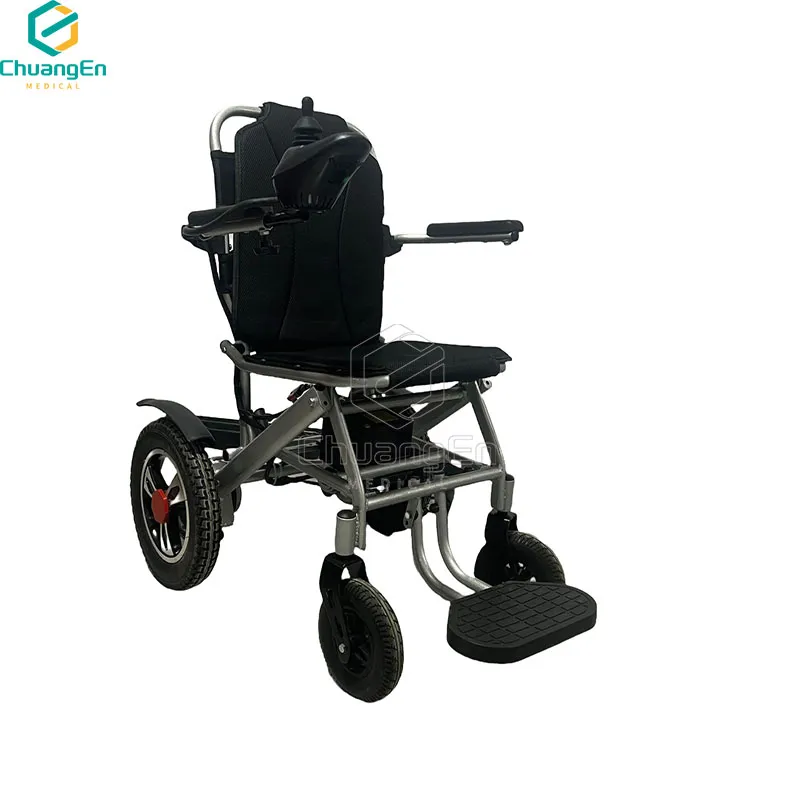
The powered electric wheelchair is essentially a motorized mobility device designed to enhance independence for users who face mobility challenges. Unlike traditional manual wheelchairs, these models rely on electric motors, offering users effortless maneuvering even across uneven terrain. Frankly, their role in both healthcare facilities and public spaces can’t be overstated — they literally power freedom.
- It combines a sturdy frame with long-lasting batteries, usually Lithium-Ion based, supporting ranges up to 20 miles on a single charge – depending on terrain and load.
- Many models from Chuangen Medical feature adjustable seating, anti-tip wheels, and intuitive joystick controls, supported by rigorous quality testing to meet international safety standards.
| Specification | Detail |
|---|---|
| Max Speed | 6 mph (approx. 9.7 km/h) |
| Weight Capacity | Up to 300 lbs (136 kg) |
| Battery Type | Lithium-Ion, 24V/20Ah |
| Operating Time | Up to 8 hours continuous use |
| Control | Joystick with speed adjustment |
| Ground Clearance | 3.5 inches |
Benefits & Use Cases of Powered Electric Wheelchair
In real terms, powered electric wheelchairs dramatically improve operational efficiency for healthcare providers and mobility services. They enable users — patients, the elderly, or those with disabilities — to navigate longer distances without exhaustion. Hospitals and assisted living facilities particularly appreciate the ease of use combined with robust safety features.
- Built with customizable options – some models allow ergonomic adjustments to accommodate individual needs or specialized use cases in rehabilitation centers.
- Compared to manual wheelchairs, these electric versions reduce caregiver strain, diminish injury risks, and improve overall patient satisfaction due to smoother rides.
| Vendor | Battery Range | Frame Materials | Price (Approx.) | Lead Time |
|---|---|---|---|---|
| Chuangen Medical | 20 miles | Aluminum Alloy | $2,500 - $3,000 | 2-3 weeks |
| Competitor A | 15 miles | Steel | $2,000 - $2,800 | 4-5 weeks |
| Competitor B | 18 miles | Carbon Fiber | $3,200 - $3,800 | 3-4 weeks |
Cost, Maintenance & User Experience
While the upfront price might seem a bit steep, the total cost of ownership for a powered electric wheelchair often proves quite reasonable thanks to their durability and longevity. Chuangen Medical’s units typically hold up well over thousands of miles and require minimal maintenance aside from periodic battery checks and tire replacements.
- Users and healthcare providers frequently report improved patient morale and independence, which — frankly — can be priceless in rehabilitation contexts.
- The intuitive controls minimize the learning curve, meaning fewer delays in patient mobility and less burden on staff to provide support.
Sustainability & Market Trends
Oddly enough, sustainability is becoming a buzzword even in medical mobility devices. Manufacturers like Chuangen Medical focus on eco-friendly batteries and recyclable materials. Regulations in Europe and North America increasingly mandate adherence to environmental and safety standards, driving innovation and competitiveness across the board.
- The market for powered electric wheelchairs is projected to grow steadily, fueled by aging populations and increasing mobility awareness.
Frequently Asked Questions about Powered Electric Wheelchair
- What is Powered Electric Wheelchair and how does it work?
- It’s a wheelchair equipped with electric motors and batteries that allow the user to move around with minimal physical effort. Controlled primarily through a joystick, it’s designed to be intuitive and highly responsive.
- What are the main benefits of using Powered Electric Wheelchair in industrial applications?
- Key benefits include mobility independence, improved safety, and efficiency for users. They help reduce physical strain on caregivers and allow faster transport within facilities.
- How does Powered Electric Wheelchair compare to traditional alternatives?
- Powered electric wheelchairs generally offer greater ease of use, require less physical effort, and allow longer travel distances. They tend to be costlier upfront but offer better long-term investment due to durability and functionality.
- What industries can benefit most from Powered Electric Wheelchair implementation?
- Hospitals, rehabilitation centers, eldercare facilities, and mobility service providers find these wheelchairs invaluable. Even airports and large public venues deploy them to enhance accessibility.
Conclusion on Powered Electric Wheelchair from china
In conclusion, investing in a powered electric wheelchair represents more than just a mobility upgrade—it’s a commitment to quality of life and operational efficiency. Chuangen Medical offers models that balance affordability, performance, and longevity, making them a reliable choice for businesses aiming to meet evolving accessibility and healthcare demands. Feel free to visit our website for detailed specs and inquiries.
Sometimes the smallest devices spark the biggest changes — and you don’t quite realize their impact until you see someone regain independence through one of these wheelchairs.
References:
1. Chuangen Medical Product Brochures
2. Industry Reports on Mobility Aid Trends (2023)
3. Global Aging Population & Accessibility Studies