Understanding the Alternating Mattress Overlay: A Subtle Game-Changer in Patient Care
You may have heard of pressure-relief mattresses in the healthcare world, but the alternating mattress overlay remains a precise, focused remedy to a global health concern — pressure ulcers, also known as bedsores. While it might seem like a niche product, it actually matters quite a lot in many settings worldwide, from sprawling hospitals to remote field clinics. Why? Because it supports people who are immobile or bedridden, improving comfort and preventing life-threatening complications.
Today, we’ll take a friendly stroll through what these overlays are, why they matter in a global health context, and what makes them tick. By the end, you'll see why this somewhat humble medical device is advancing with innovation and finding more uses than ever before.
The Global Context: Why Alternating Mattress Overlays Are More Vital Than Ever
As populations globally are aging and healthcare systems face increasing strain, preventing prolonged immobility complications is a serious task. The World Health Organization (WHO) estimates pressure ulcers affect up to 10% of hospitalized patients worldwide, especially among the elderly and those with limited mobility. In fact, in long-term care facilities, prevalence can reach nearly 20%.
What does this mean? It means the demand for effective pressure redistribution solutions — like alternating mattress overlay systems — is high. The challenge? How to make these overlays affordable, practical, and adaptable to different care settings, including low-resource and emergency situations.
International standards such as ISO 13485 also underpin the quality and safety regimes controlling manufacturing, ensuring patient safety is a top priority. The drive towards sustainable, high-quality pressure care equipment continues to be a global healthcare objective.
What Exactly Is an Alternating Mattress Overlay?
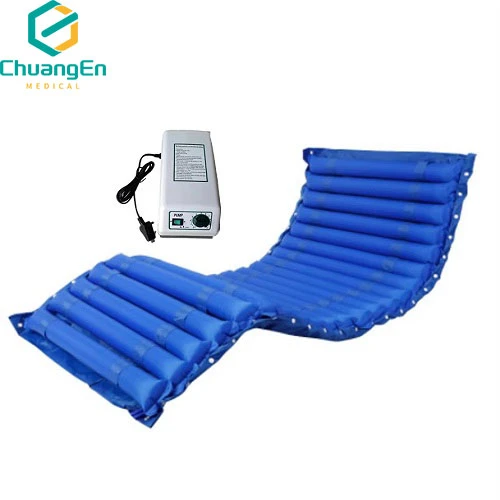
In its simplest form, an alternating mattress overlay is a device placed over a standard mattress to help prevent pressure ulcers by alternating the areas of contact pressure with the patient’s body. It uses a system of inflatable air cells that cyclically inflate and deflate, shifting pressure points every few minutes. This mimics natural movement — something immobile patients can't do by themselves — relieving stress on bones and tissue.
Oddly enough, it’s a perfect example of how small technological advances meet big human needs. It’s not the mattress itself, but the overlay that adds this dynamic adjustment, which can fit over existing hospital beds.
Key Components of an Alternating Mattress Overlay
1. Air Cell Design and Durability
The heart of the system is the series of air cells, often made from high-grade PVC or TPU materials with reinforced seams. These cells endure continuous inflation cycles, so durability matters — many engineers say failure during use is a big no-no. Some models incorporate multiple zones to tailor pressure relief to different body parts.
2. Pump and Control Unit
The pump moves air between the cells and controls timing. It’s surprisingly sophisticated sometimes, with adjustable cycle speeds. Quiet operation is a must — nobody wants a noisy distraction in a hospital ward. Luckily, manufacturers have improved this significantly over recent years.
3. Compatibility & Scalability
A good overlay fits standard mattresses and is easy to install or remove. This means it’s scalable across different healthcare facilities, from major hospitals to rural clinics. Some designs allow modularity — think: add-on sections for bigger beds or customized support needs.
4. Hygiene and Maintenance
Patient safety requires overlays to be easily cleaned and maintained. Many models feature antimicrobial covers and waterproof layers. Some even offer replaceable top covers to extend product life.
5. Cost Efficiency
Costs range widely based on features, but in real terms, an alternating mattress overlay often reduces expensive pressure ulcer treatments later on — a classic case of spending a bit upfront to save a lot of grief (and money) down the road.
Product Specification Table
| Specification | Typical Range | Notes |
|---|---|---|
| Air Cell Material | Medical-grade PVC or TPU | Durable and hypoallergenic |
| Cycle Time | 6 to 12 minutes | Adjustable on most units |
| Weight Capacity | Up to 300 kg (660 lbs) | Suits most patients |
| Power Source | AC mains or battery backup | Some models portable |
| Covering | Waterproof and antimicrobial fabric | Improves hygiene |
How Alternating Mattress Overlays Are Making a Difference Around the World
From intensive care units in New York to field hospitals in conflict zones, these overlays have wide applications. For example:
- Hospitals in Europe and North America — standardized use to prevent hospital-acquired pressure ulcers, improving patient outcomes and reducing costs.
- NGO Relief Efforts — during natural disasters, lightweight overlays easily deploy to offer pressure care where large-scale mattress replacements aren’t practical.
- Long-Term Care Facilities — supporting elderly residents, reducing chronic pain and improving dignity.
- Remote Industrial Sites — mining or oil rigs use these overlays for on-site medical units due to portability and ease of use.
Mini takeaway: This is a versatile solution crossing geographies and industries, proving small tech can yield big healthcare advances.
The True Value: Beyond Comfort — Diving Into Advantages
What’s remarkable about alternating mattress overlays isn’t just technical, it’s human. They combine:
- Cost-effectiveness: Early investment reduces pricey ulcer treatments and extended hospital stays.
- Sustainability: Durable overlays mean less waste; many manufacturers explore recycled materials to reduce environmental impact.
- Patient dignity & safety: Pain relief, plus, reducing infections — these products help maintain wellbeing.
- Innovation & trust: Modern units come with digital alarms and controls, offering caregivers peace of mind.
Emerging Trends: What’s Next for Alternating Mattress Overlays?
Innovation keeps rolling. Some key trends include:
- Smart Sensor Integration: Embedded sensors monitor pressure points in real-time, linking data to caregivers’ devices.
- Eco-friendly Materials: New bio-based fabrics and recyclable components reduce carbon footprint.
- Improved Portability & Versatility: Battery-powered units with wireless tech making overlays easier to use off-grid.
- Customization: AI-driven adjustments tailored to patient size, weight, and health conditions.
Overcoming Challenges: Tips & Solutions
Despite their benefits, some obstacles persist:
- Cost Barriers: High initial cost can be tough, especially for underfunded settings. Solution? Leasing programs or bulk purchases.
- Training Requirements: Misuse reduces efficacy. Many vendors now offer video tutorials and customer support.
- Power Supply Reliability: Not all places have stable electricity. Battery-operated and manual backup models address this.
Frankly, with better awareness and smart procurement, these hurdles can be minimized.
Vendor Comparison: A Quick Look At Leading Manufacturers
| Vendor | Price Range (USD) | Key Features | Warranty |
|---|---|---|---|
| MediAir Systems | $600 - $900 | Quiet pump, modular air cells, antimicrobial cover | 3 years |
| CareFlex Technologies | $750 - $1,100 | Smart sensors, adjustable cycle time, battery option | 2 years |
| HealthPlus Medical | $500 - $850 | Lightweight, waterproof cover, simple controls | 1 year |
FAQ: Answers to Your Common Questions About Alternating Mattress Overlays
Q1: How does an alternating mattress overlay differ from a regular foam mattress?
A: The key difference is movement. Alternating overlays cycle inflation in air cells to redistribute pressure, whereas foam mattresses offer static cushioning. This dynamic action helps prevent tissue damage over time.
Q2: Can alternating mattress overlays be used outside hospitals?
A: Absolutely. They’re frequently used in long-term care, home healthcare, disaster relief, and even in transport ambulances. Their portability and ease of setup make them versatile.
Q3: How often should the pump cycle for optimal pressure relief?
A: Most units cycle every 6 to 12 minutes, though this is adjustable depending on patient needs. Too fast or slow can reduce effectiveness, so flexibility helps customize care.
Q4: Are these overlays difficult to clean?
A: Not at all. Most feature waterproof, antimicrobial covers that wipe clean easily. Some offer removable top layers for deeper cleaning or replacement.
Q5: What about power failures — will the overlay fail?
A: Many models come with battery backups or manual override features to ensure continuous performance during power outages, essential in many clinical settings.
Wrapping Up: Why Alternating Mattress Overlays Matter for Health and Comfort
To sum it up — these overlays do more than just fill a mattress gap. They offer an affordable, scalable, and tech-smart solution to a persistent healthcare challenge affecting millions worldwide. Combining comfort, safety, and innovation, they represent a key advancement in patient care that’s only set to improve with emerging trends.
For healthcare professionals or facility managers considering better pressure ulcer prevention strategies, exploring alternating mattress overlays — including options on alternating mattress overlay — could be the next step to improve your patient outcomes.
Thanks for staying with me on this little dive into medical tech. Sometimes, the smallest inventions make the biggest differences…