Understanding Air Loss Mattress Overlay: A Key to Pressure Ulcer Prevention
When you hear the phrase air loss mattress overlay, it might sound like some fancy medical gadget, and in a way, it is. But behind this technical-sounding term lies a profound global benefit—one that touches on healthcare quality, patient comfort, and huge cost savings in hospitals and home care settings worldwide. Pressure ulcers, or bedsores, affect millions every year, causing serious pain and even life-threatening infections. Air loss mattress overlays have become an essential tool to help prevent these from developing, improving outcomes for patients and easing the burden on caregivers.
The Global Context: Why Air Loss Mattress Overlays Matter Now More Than Ever
Health care systems around the world face rising costs due to chronic wounds and associated complications. According to the World Health Organization, pressure ulcers affect approximately 10-15% of hospitalized patients globally, with even higher rates in long-term care facilities. The UN Sustainable Development Goals emphasize universal health coverage, where innovations like the air loss mattress overlay can play an important role in improving patient quality of life. Hospitals increasingly aim to reduce incidence through better prevention strategies—which include these special overlays that improve air circulation under patients, reducing skin pressure and helping wounds heal faster.
Still, the problem isn’t limited to hospitals alone—home care, disaster relief efforts, and even military medical units benefit from reliable pressure-relieving surfaces.
Takeaway:
- Pressure ulcers are a widespread, costly global health challenge.
- Air loss mattress overlays directly address this by enhancing patient comfort and skin health.
What Exactly Is an Air Loss Mattress Overlay?
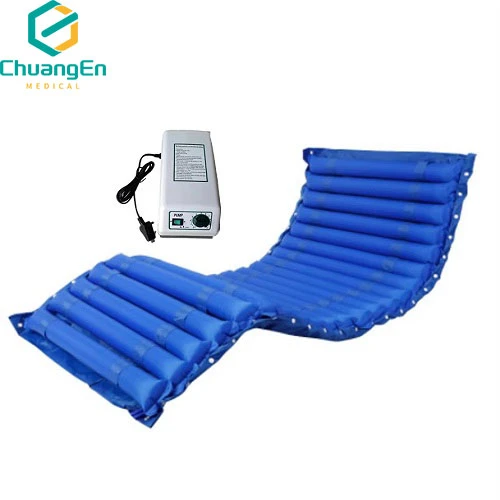
At its core, an air loss mattress overlay is a medical device designed to be placed on top of a regular hospital bed mattress. It uses a system of tiny air cells or perforations that continuously circulate air around the patient’s body. This “air loss” effect helps keep the skin dry and reduces localized pressure, which is a primary cause of ulcers. Think of it as a gentle breeze keeping you comfortable and safe during long periods of immobility.
These overlays are part of modern pressure management strategies, helping caregivers prevent skin breakdown in patients who can’t reposition themselves often. In humanitarian contexts, where resources are limited and patient volume is high, such overlays become crucial lifesavers.
Key Components of an Air Loss Mattress Overlay
1. Durability and Material Quality
Good overlays are constructed from medical-grade polyurethane or similar breathable, waterproof covers. They must resist tears and withstand repeated cleaning cycles—hospital-grade durability is a must.
2. Air Circulation System
The heart of the overlay: a network of cells or perforations designed to channel air below the patient. Some models use pumps to regulate airflow; others rely on passive diffusion.
3. Pressure Distribution
While the core function is air loss, overlays also aim to evenly distribute body weight, reducing pressure hotspots.
4. Ease of Use and Maintenance
In busy healthcare or emergency environments, overlays should be lightweight, easy to install, and simple to clean.
5. Compatibility
They need to fit a range of hospital beds without causing gaps or discomfort.
Summary:
- Material quality ensures longevity.
- Effective air circulation reduces moisture.
- Design focuses on pressure management.
Where Are Air Loss Mattress Overlays Used, and Who Benefits?
Their application spans across medical, humanitarian, and industrial settings. Here's a quick tour:
- Hospitals & Long-Term Care Facilities: The majority of patients at risk of pressure ulcers are immobile elderly or surgical patients. Overlays supplement regular mattresses for daily care and during recovery.
- Home Healthcare: Families caring for bedbound relatives appreciate the portability and comfort these overlays bring.
- Disaster Relief and Military Medicine: In temporary setups—whether earthquake aftermath or military field hospitals—air loss mattress overlays help prevent sores when surgical beds are scarce.
- Remote Industrial Sites: In places with limited medical access, like offshore rigs or mines, overlays are valuable for worker injury care.
Oddly enough, I noticed in some clinics that staff sometimes underestimate how crucial these overlays can be, but once a patient with early skin breakdown gets one, the improvement is noticeable within days.
Mini Takeaway:
Flexibility and effectiveness make air loss mattress overlays indispensable across many healthcare scenarios worldwide.
Advantages & Long-Term Value of Using Air Loss Mattress Overlays
The benefits are both emotional and practical. For patients, there’s dignity and relief from pain; for healthcare providers, there’s improved clinical outcomes and cost savings.
- Cost Efficiency: Prevention beats treatment. Treating pressure ulcers can run into thousands of dollars per patient. Overlay usage reduces incidence and associated expenses.
- Improved Patient Comfort: Reduced moisture and pressure mean better sleep and quicker recovery.
- Reliability and Sustainability: Modern overlays are designed to last years with proper maintenance.
- Social Impact: Reducing ulcers reduces hospital stays and infections. This means less strain on families and the healthcare system.
Many clinicians say it feels like having a trusted silent partner—one you don’t see but whose impact is felt profoundly.
Product Specification Table
| Feature | Typical Value | Notes |
|---|---|---|
| Material | Medical-grade polyurethane | Waterproof, breathable |
| Dimensions | 76” x 36” x 2” (standard hospital bed) | Fits most beds |
| Weight | ~5.5 lbs | Easy to handle |
| Air Circulation Mechanism | Passive or Active Pump | Varies by model |
| Maintenance | Machine washable cover | Ensures hygiene |
| Warranty | 2-3 years | Based on manufacturer |
Vendor Comparison: Selecting the Right Air Loss Mattress Overlay Provider
| Vendor | Product Range | Price Range (USD) | Warranty | Global Shipping |
|---|---|---|---|---|
| ChuangEn Medical | Comprehensive (active & passive overlays) | $450 - $900 | 3 years | Yes |
| MedAir Solutions | Mostly passive overlays | $400 - $700 | 2 years | Limited |
| CareCure Devices | Active pump overlays | $500 - $1,200 | 3 years | Yes |
The Future: What’s Next for Air Loss Mattress Overlay Technology?
Innovations aren’t standing still. Engineers and clinicians are exploring new materials that are even lighter and more breathable—think bio-based polymers that cut down environmental impact. Integration with smart sensors is another exciting example, where overlays might soon monitor pressure and moisture levels in real-time, alerting caregivers before issues arise.
Also, as the healthcare sector embraces green policies, energy-efficient pump designs and recyclable components are gaining priority. In disaster zones, inflatable or modular overlays that fold flat and deploy rapidly could revolutionize emergency care logistics. So, it feels like this technology will grow both in sophistication and sustainability.
Challenges & How To Overcome Them
That said, there are hitches. The initial cost can be a barrier for smaller clinics or home care, and some overlays require electric pumps, which aren’t practical everywhere. Maintenance procedures may be neglected in understaffed environments, reducing effectiveness.
But there are solutions: choosing passive airflow overlays where electric power is scarce or investing in training and preventive maintenance budgets make a difference. Some providers, including ChuangEn Medical, offer cost-effective starter packs or rental programs to ease upfront investments.
FAQ: Your Burning Questions on Air Loss Mattress Overlays
- Q1: Can an air loss mattress overlay be used on any hospital bed?
- A: Generally, yes. Most overlays are designed to fit standard hospital beds, but it's important to check the size and compatibility with your specific bed type to avoid gaps or slipping.
- Q2: How often should the overlay be cleaned?
- A: For hygiene and durability, it’s best to clean the cover weekly or as needed, depending on patient condition. Always follow the manufacturer's instructions to avoid damage.
- Q3: Is the air circulation noisy or disruptive to patients?
- A: Modern overlays with active pumps are usually quiet, operating almost silently. Patients often report feeling more comfortable than disturbed.
- Q4: How long does it take to see improvements in pressure ulcer prevention?
- A: With proper use, many caregivers observe skin condition improvements or ulcer prevention within 3 to 5 days, but this also depends on patient health and repositioning routines.
- Q5: Are these overlays covered by insurance or medical aid schemes?
- A: Coverage varies widely by country and insurer. It’s advisable to check locally, but many health systems do recognize them as essential medical devices and reimburse accordingly.
In Conclusion: Why Invest In Air Loss Mattress Overlays?
To wrap it up, these overlays blend medical science with smart design to deliver a device that’s both practical and transformative for patient care. They reduce complications, cut healthcare costs, and restore dignity to patients at risk of painful pressure ulcers.
If you’re interested in exploring options and learning more about how air loss mattress overlay products can fit into your care setting, don't hesitate to visit ChuangEn Medical’s website for comprehensive solutions that meet today's challenges.
Final Thought:
Sometimes, it’s these quiet innovations—like an air loss mattress overlay—that make the biggest difference in healthcare.