What Is an Air Loss Bed and Why Does It Matter?
At its core, an air loss bed is more than just a hospital mattress — it’s a sophisticated device designed to prevent and treat pressure ulcers and sores that develop when patients lie immobilized for long spans. This type of bed uses constantly circulating air to reduce pressure and improve circulation, which is a huge global health challenge, especially as our populations age and healthcare systems worldwide face increasing strains.
Interestingly, the need for air loss beds transcends clinical settings: from disaster relief camps where mobility is impossible, to chronic care facilities in remote locations, understanding and adopting these beds can drastically improve quality of life and relieve huge healthcare costs linked to long-term wounds.
Mini takeaway: Air loss beds aren’t just hospital luxuries — they’re vital tools in both everyday medical care and complex humanitarian efforts.
Why Air Loss Beds Are a Global Healthcare Priority
The world’s population is aging rapidly. According to the United Nations, by 2050, 1 in 6 people worldwide will be over age 65 — a whopping jump from 1 in 11 in 2019 (UN World Population Prospects, 2019). This demographic shift brings increased mobility challenges and thus, more pressure ulcers, which affect nearly 3 million adults annually in the U.S. alone.
Moreover, according to a WHO report, pressure ulcers contribute to increased mortality and healthcare costs in hospitals and long-term care settings globally. So, solutions that address pressure-related injuries directly — like air loss beds — have become a major point of focus for healthcare professionals and policy makers alike.
Conventional hospital mattresses simply don’t cut it in reducing sustained pressure over bony prominences. Air loss beds, by contrast, use innovative technology to continually shift air across the body’s surface, reducing pressure and increasing blood flow — hence their growing adoption worldwide.
Breaking It Down: What Is an Air Loss Bed?
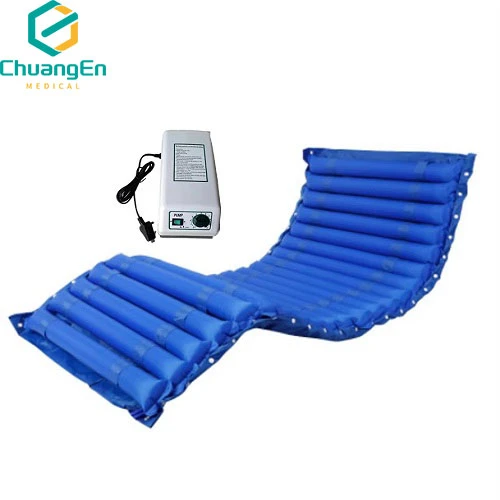
Imagine lying on a mattress filled with many small air pockets that are gently inflated or deflated in a rhythm that mimics natural blood flow patterns. That’s roughly how an air loss bed works. In simple terms, it’s a dynamic mattress system that automatically redistributes pressure by inflating and deflating air cells around the patient’s body. Some models also integrate airflow to keep skin dry, reducing moisture buildup which is another root cause of skin damage.
This technology has evolved beyond hospital wards. It’s now part of disaster response gear, rehabilitation centers, and has special relevance in home healthcare, supporting patients who are immobile due to chronic conditions or post-surgical recovery.
Core Components and Key Factors That Make These Beds Effective
1. Dynamic Air Circulation Systems
Central to an air loss bed is its air pump and distribution system. A reliable, quiet pump drives air through multiple segmented cells or tubes. This circulation isn’t random — it’s precisely timed to cycle pressure, often in alternating patterns on different parts of the body, to mimic natural shifting when you move in bed.
2. Pressure Redistribution
The mattress is typically made from a matrix of interconnected air cells or air-filled pockets. The design allows some cells to deflate while others inflate to relieve pressure from vulnerable spots, such as the heels, sacrum, and elbows.
3. Moisture Control
Some advanced air loss beds feature air-permeable covers or integrated airflow designed to keep skin dry, which prevents maceration and reduces bacterial growth. It’s a small detail but seriously important — dry skin is healthier skin.
4. Durability & Usability
These devices need to be tough for clinical environments but also easy to clean and operate. Many come with digital controllers for pressure adjustments tailored to individual patient weights and needs.
5. Power Backup & Mobility
Since these beds rely on electricity, backup batteries or manual inflation options are key for use in disaster zones or areas with unstable power supplies.
Air Loss Beds in Action: Real-World Applications
Airtight healthcare isn’t a luxury everywhere, and that’s where air loss beds step in. In post-disaster relief operations — like after earthquakes or floods — aid organizations bring these beds to prevent secondary infections in immobilized patients. In countries with aging populations like Japan and Italy, air loss beds are staples in elder-care homes.
Oddly enough, in remote industrial zones with limited medical infrastructure, these beds serve as makeshift intensive care platforms for injured workers awaiting transfer.
Even home healthcare agencies have embraced air loss beds for immobile patients, because the beds reduce hospital readmissions for pressure ulcers — a real cost savings.
Mini takeaway: From hospitals to disaster zones, air loss beds have proven their versatility and critical importance.
Advantages and Long-Term Value of Using Air Loss Beds
The benefits are both tangible and deeply human: less suffering, faster recovery, and dignity preserved for people forced to lie still for long periods.
- Cost savings: Preventing pressure ulcers means fewer surgeries, antibiotics, and hospital stays.
- Improved patient outcomes: Less skin breakdown correlates with better overall health and quicker rehabilitation.
- Sustainability: Many beds are designed with recyclable materials and low-energy pumps, reducing hospital carbon footprints.
- Innovation and trust: Medical staff often prefer these beds because they work quietly and efficiently, providing peace of mind.
Future Trends & Innovations Shaping Air Loss Beds
We’re seeing exciting developments in sensor integration — smart mattresses that detect pressure points in real time and adjust automatically, or even alert nurses before sores develop. Materials are getting lighter and more breathable, improving patient comfort.
Green energy solutions, like solar-powered pumps, are being piloted in remote clinics, which is a clever twist on sustainability.
And digital transformation — meaning beds that connect to hospital management systems — facilitates better patient data collection and therapy customization.
Challenges and How They're Tackled
Of course, it’s not all smooth sailing. Power dependence is a big hurdle in low-resource settings, as is cost — the initial investment can be high. But many vendors now offer rental or leasing programs, and manufacturers are innovating with battery backups and low-pressure modes to conserve energy.
Additionally, training healthcare workers remains crucial; the best bed won’t help if it’s misused. That’s why some manufacturers (and NGOs) bundle educational programs with the equipment.
Practical FAQs About Air Loss Beds
Q1: How does an air loss bed differ from a regular hospital mattress?
A1: Unlike standard mattresses, air loss beds actively circulate air through multiple adjustable air cells. This dynamic pressure redistribution helps in preventing and healing pressure ulcers by reducing sustained pressure points on the skin and increasing airflow to keep skin dry.
Q2: Are air loss beds suitable for home use?
A2: Absolutely. Many models are designed for home healthcare with user-friendly controls and quieter operation. They are increasingly popular for long-term care patients to reduce hospital visits related to skin injuries.
Q3: What are the power requirements for an air loss bed in disaster zones?
A3: Most air loss beds require a reliable power source, but many come with battery backup systems or manual inflation options, which make them suitable for areas with unstable electricity. Solar-compatible options are emerging as well.
Q4: How do I choose the right air loss bed for a healthcare facility?
A4: Consider factors like patient load, ease of cleaning, adjustability, and backup power. Also factor in warranty, supplier support, and compatibility with existing hospital equipment.
Q5: Where can I find reliable vendors for air loss beds?
A5: Reputable manufacturers can be found through medical trade shows, certifications (like ISO standards), and healthcare procurement platforms. For instance, ChuangEn Medical offers a range of certified, trusted products with global shipping.
Product Specification Table
| Feature | Standard Model | Advanced Model |
|---|---|---|
| Air Cells | 20 segmented cells | 24 memory foam & air hybrid cells |
| Pressure Settings | 3-level manual control | Automatic continuous adjustment |
| Max Patient Weight | 150 kg (330 lbs) | 200 kg (440 lbs) |
| Power Backup | Battery (6 hours) | Battery (12 hours) + solar option |
| Cover Material | Waterproof vinyl | Breathable, antimicrobial fabric |
Vendor Comparison
| Vendor | Price Range | Warranty | Key Strength | Global Shipping |
|---|---|---|---|---|
| ChuangEn Medical | $$$ | 3 years | Customizable models, strong after-sale support | Yes |
| MediAir Solutions | $$ | 2 years | Affordable, easy setup & portability | Limited |
| SafeCare Medical | $$$$ | 5 years | Advanced technology, smart monitoring | Yes |
In Conclusion: Why Invest in Air Loss Beds?
An air loss bed is an investment in humane care, innovation, and long-term savings. When patients lie on them, it’s not just about comfort, but a proactive defense against painful and expensive skin injuries that can derail healing or trap people in hospitals longer than they should be. For healthcare providers, NGOs, and anyone in the caregiving business, these beds symbolize a commitment to dignity, safety, and quality.
If you’re looking to upgrade your care offering, or you’re involved in healthcare procurement, I highly recommend exploring the offerings at ChuangEn Medical. They bring together solid quality, innovative features, and global reach — which is pretty much the trifecta you want with an air loss bed.
Mini takeaway: Air loss beds aren’t just equipment. They’re lifelines — and one innovation set to become a global healthcare staple.
References: