Understanding the Air Fluidized Bed Hospital: A Game Changer in Patient Care
If you've ever pondered how hospitals manage patients with severe skin injuries or those at risk of pressure ulcers, the concept of the air fluidized bed hospital might have crossed your mind. This technology isn’t just a hospital bed; it’s a lifeline that transforms patient care in sometimes life-saving ways. In an increasingly complex healthcare environment, understanding air fluidized beds can provide critical insight into how innovation helps combat global health challenges — particularly when it comes to skin integrity, wound management, and patient comfort.
Globally, medical facilities strive to improve outcomes for immobile or critical patients while lowering costs related to bedsores and infections. The air fluidized bed hospital fits right into this goal — offering unique benefits for both caregivers and patients. Let’s take a deep dive into what makes this technology so relevant today.
Why Air Fluidized Bed Hospitals Matter on a Global Scale
According to the World Health Organization, pressure ulcers affect millions worldwide, especially elderly, immobilized, or critically ill patients (WHO 2023). Up to 23% of hospitalized patients develop some form of pressure injury during their stay. That’s not just a number; it represents immense pain, extended hospitalization, and soaring healthcare costs.
Air fluidized bed technology addresses this by reducing pressure on the body through a unique “fluidized” air particle surface that supports patients softly and evenly. The United Nations also highlights access to quality hospital infrastructure as a key factor to achieving sustainable health systems globally (UN 2022).
With populations aging worldwide, and chronic illnesses on the rise, hospitals need scalable, reliable solutions like these beds for better patient outcomes and resource efficiency. Yet, many facilities still struggle with infections stemming from pressure ulcers, rendering these beds an essential tool rather than a luxury.
What Exactly Is an Air Fluidized Bed Hospital?
Simply put, an air fluidized bed hospital refers to medical setups where patients lie on a specialized bed surface composed of microscopic beads suspended in flowing air. Imagine a bed that feels like “floating on warm sand” — that’s the experience researchers often describe.
It’s a far cry from traditional mattresses. The continuous air flow reduces friction, shear forces, and pressure points, allowing patients with burns, ulcers, or fragile skin to heal faster and more comfortably. These beds integrate well with modern hospitals but can also be vital in field hospitals or emergency care settings.
In real terms: they revolutionize patient positioning and comfort while actively aiding skin repair. The air fluidized bed hospital symbolizes the crossover between technology and compassionate care.
Core Components of Air Fluidized Bed Hospitals
1. The Fluidized Media
The heart of the system is the tiny ceramic beads — often silicone or glass — fluidized by air pressure, creating a soft, contouring surface. This unique medium behaves almost like a liquid, supporting the body evenly.
2. Air Delivery System
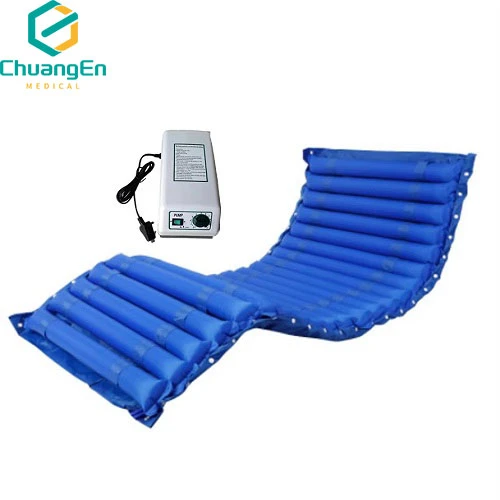
A pump continuously forces filtered air through the beads at precise pressure levels to maintain the fluidized effect. This system keeps the patient buoyant without pressure points.
3. Mattress Shell and Frame
The sturdy but lightweight frame houses the system, often with easy controls for adjusting pressure, temperature, and bed angle. Portability varies by model.
4. Safety & Monitoring Features
Advanced beds come equipped with alarms for airflow interruptions or pressure abnormality detection, improving overall patient safety and caregiver response times.
5. Thermal Regulation
Some models incorporate heat control mechanisms to maintain patient body temperature, crucial for burn victims or hypothermia risk.
Real-World Use Cases: Where Do Air Fluidized Bed Hospitals Shine?
These beds aren't just found in elite hospitals. In fact, their unique capabilities extend across various regions and scenarios:
- Burn centers: The gentle, nonabrasive surface helps early healing while minimizing infection risk.
- ICUs worldwide: Patients on long-term ventilation or immobile ones often benefit enormously.
- Disaster relief field hospitals: Post-natural disasters, where skin care is vital amid mass casualties.
- Long-term care facilities: Elderly patients prone to bedsores get better support in specialized wards.
- Military medical units: Tough conditions call for beds that provide superior skin protection and adaptability.
For example, in Southeast Asia’s flood-prone regions, deployment of air fluidized beds in mobile hospitals has improved survival rates from serious wounds and infections. It’s quite humbling to realize how a bed can be a frontline defense in humanitarian crises.
Product Specification Table: Typical Air Fluidized Bed Hospital System
| Feature | Specification | Benefit |
|---|---|---|
| Fluidized Media | Silicone Beads, 0.3-0.5mm | Conforms to body, reduces pressure points |
| Airflow Rate | 50–70 L/min, adjustable | Maintains fluidization and patient comfort |
| Temperature Control | Surface heating up to 45°C | Supports warm therapy & prevents hypothermia |
| Weight Capacity | Up to 150 kg (330 lbs) | Suitable for most adult patients |
| Dimensions | 200cm x 90cm x 35cm (LxWxH) | Fits standard hospital room setups |
Comparing Leading Vendors of Air Fluidized Bed Hospital Equipment
| Vendor | Key Features | Price Range | Ideal Application |
|---|---|---|---|
| MediFlo Beds Inc. | Advanced airflow regulation, integrated temp control | $15,000 - $20,000 | Burn units, ICU |
| CareNest Solutions | Portable design, lightweight, energy efficient | $12,000 - $16,000 | Field hospitals, disaster zones |
| HealFlex Medical | Smart sensors, auto-pressure adjustments | $18,000 - $22,000 | Long-term care, chronic patients |
Advantages & Lasting Impact of Air Fluidized Bed Hospitals
When considering an air fluidized bed hospital system, many immediately note reduced pressure ulcer incidence – that much is clear and documented. But what really stands out is the far-reaching impact:
- Economic savings: Lower infection rates and shorter hospital stays mean less financial strain on health systems.
- Enhanced patient dignity: Patients feel less pain and experience greater comfort, supporting emotional wellbeing.
- Trusted reliability: Long-lasting equipment and monitoring features reduce maintenance downtime.
- Sustainability: More efficient air pumps and recyclable bead materials reduce environmental footprint.
Many healthcare professionals say that these beds aren’t simply equipment — they’re tools that redefine patient care philosophy, blending logic with a human touch.
Emerging Trends & Innovations in Air Fluidized Bed Technology
It’s a fast-moving field with innovation bubbling up from various angles. Some key developments on the horizon:
- IoT integration: Real-time data streams that alert caregivers when air pressure deviates or patient movement changes.
- Eco-friendly materials: Biodegradable beads and energy-saving compressors.
- Customizable patient surfaces: Beds that adapt bead composition for different medical needs or climates.
- Mobile, modular designs: Growing use in temporary hospitals and remote areas.
- Improved temperature regulation: Smart heating to assist wound healing without risking burns.
Honestly, it feels like the air fluidized bed hospital of tomorrow isn’t just a bed, but more like an intelligent, responsive care platform.
Overcoming Challenges: What’s Holding Back Wider Air Fluidized Bed Adoption?
Despite clear benefits, a few hurdles remain:
- High upfront cost: Hospitals with tight budgets often delay purchasing.
- Maintenance complexity: Skilled technicians are required to maintain airflow and sensors.
- Weight and portability: Some models are bulky for mobile or disaster relief use.
- Training needs: Care staff require education to maximize effectiveness.
However, manufacturers and NGOs have begun collaborative programs offering leasing models, training workshops, and compact designs. Plus, awareness campaigns highlight the return on investment when considering reduced patient complications.
Frequently Asked Questions About Air Fluidized Bed Hospitals
Q1: How does an air fluidized bed hospital help prevent bedsores?
A: By suspending the patient on a bed of tiny beads fluidized by airflow, pressure is evenly distributed, minimizing any one point’s contact and friction with the skin. This significantly reduces the risk of tissue damage associated with traditional mattresses.
Q2: Are these beds suitable for all patients?
A: Mostly adults with serious skin conditions, burns, or immobility benefit most. Pediatric options exist but require manufacturer consultation to ensure safety and effectiveness.
Q3: Can air fluidized beds be used outside of hospital settings?
A: Yes. Portable and energy-efficient models support field hospitals, disaster relief, and military operations where critical patient care is required on-site.
Q4: What is the lifespan of an air fluidized bed system?
A: With proper maintenance, these systems typically last 7–10 years. Regular filter changes and airflow system checks are crucial for longevity.
Q5: How can hospitals acquire air fluidized bed systems internationally?
A: Many vendors provide global shipping and support. NGOs and hospitals can coordinate purchases through authorized distributors or direct manufacturer partnerships, often leveraging healthcare grants or international aid programs.
For more detailed insights, consider browsing resources about air fluidized bed hospital technologies and solutions.
Final Thoughts and a Call to Action
From enhancing patient comfort to dramatically reducing long-term healthcare costs, air fluidized bed hospital technology stands out as a modern must-have for hospitals and clinics worldwide. It’s a prime example of how engineering meets empathy—technology designed not just to sustain life, but to improve quality of that life.
If you’re involved in healthcare management, facility planning, or humanitarian medical relief, it’s worth exploring these beds as a serious option. They can change the trajectory of patient recovery and hospital efficiency.
Discover more about advanced patient care with air fluidized bed hospital systems by visiting our website.