The Essential Role of Air Beds Used in Hospitals: Comfort Meets Technology
Across hospitals worldwide, the air bed used in hospitals represents a subtle yet powerful innovation – the kind that quietly transforms patient care. These beds don’t just provide a place to lie down; they prevent complications, promote recovery, and uphold patient dignity. Given the rising numbers of aging populations and chronic conditions globally, it’s become crucial to grasp how these specialized air beds contribute to health systems’ resilience and efficiency.
If you’ve ever visited a hospital, chances are you’ve seen one but maybe didn’t realize why they look different from your ordinary mattress. Understanding their design and applications is more than just medical jargon; it’s about human comfort and safety, which, as it turns out, is a global priority.
air bed used in hospitalsSetting the Stage: A Global Look at Hospital Air Beds
Globally, healthcare infrastructure is under constant strain. According to the World Health Organization, pressure ulcers affect an estimated 10% of hospitalized patients worldwide. This painful and costly problem often arises when patients stay immobilized for extended periods — a challenge air beds are specifically designed to tackle.
In addition, the UN’s recent health development reports highlight rapid aging populations in countries across Europe, Japan, and North America, which increases demand for advanced patient support surfaces, including air beds. They’re vital in intensive care units (ICUs), emergency wards, and long-term care settings.
The challenge is clear: how to improve patient comfort while reducing risks of skin injuries, all without skyrocketing healthcare costs.
What Exactly Is an Air Bed Used in Hospitals?
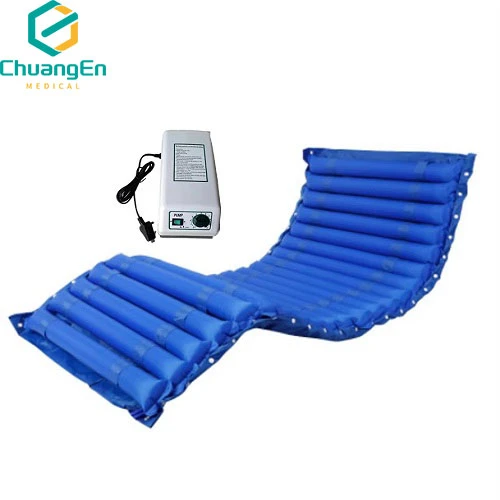
Simply put, an air bed used in hospitals is a mattress system that uses air-filled chambers to distribute patient weight evenly. Unlike traditional foam or spring mattresses, these beds adjust pressure dynamically to prevent skin breakdown — also called pressure ulcers or bedsores.
These specialized beds are integrated with pumps and control units that cycle air among chambers. This variability helps relieve pressure points and enhance blood circulation. The tech has transformed from bulky, noisy systems to sleek, quieter models aligned with modern hospital needs.
In humanitarian terms, air beds also serve in disaster relief and temporary medical camps, where rapid deployment and patient comfort go hand in hand. International organizations frequently use them in such contexts.
Core Components of Hospital Air Beds
1. Pressure Redistribution Technology
The core function of hospital air beds is their ability to redistribute pressure. This reduces the risk of ulcers, a major health and financial burden. Many systems offer alternating pressure cycles, shifting the air every few minutes.
2. Adjustable Firmness and Height
Patients’ conditions differ, so customizable firmness and height controls ensure appropriate support. Some beds even come with built-in sensors to monitor weight shifts and alert staff.
3. Durability and Medical-Grade Materials
Hospital-grade air beds are made with antibacterial, easy-to-clean materials that withstand frequent sanitation. Durability is key, as these beds endure continuous use in demanding environments.
4. Portability and Setup Speed
Many healthcare environments require quick setups — for instance, emergency rooms or field hospitals. Modern air beds balance robustness with portability, often featuring quick-inflate pumps and compact designs.
5. Cost Efficiency and Maintenance
Compared to hard-to-clean foam mattresses or bed frames, air beds often reduce long-term costs by lowering incidence of complications and requiring less frequent replacement parts.
Where Do These Air Beds Really Make a Difference?
From ICUs in New York to rural clinics in sub-Saharan Africa, air beds prove their worth daily. Hospitals use them not just in surgical wards but also in rehabilitation and long-stay units.
In disaster relief efforts — such as after hurricanes or earthquakes — quick-deploy air beds provide temporary yet effective patient care surfaces, improving outcomes.
Even military medical units rely on advanced air beds for wounded soldiers, where portability and durability are paramount. Medical NGOs, in turn, bring these systems to remote areas, ensuring vulnerable populations benefit from modern healthcare support.
Brief Product Specifications: Typical Hospital Air Bed Model
| Feature | Specification |
|---|---|
| Dimensions | 36" x 80" (standard adult size) |
| Weight Capacity | Up to 450 lbs (204 kg) |
| Power Supply | 110-240V AC, with battery backup |
| Material | Antimicrobial PVC-coated nylon |
| Pressure Modes | Static, alternating, low air loss |
| Noise Level | Below 35 dB (quiet operation) |
Choosing the Right Vendor: A Comparison
| Vendor | Price Range | Warranty | Unique Feature | Suitable For |
|---|---|---|---|---|
| ChuangEn Medical | $$$ | 3 Years | High-pressure variability & Quick setup | Hospitals, NGOs, Emergency response |
| MediAir Systems | $$ | 2 Years | Eco-friendly materials & Low noise | Long-term care facilities |
| SafeRest Medical | $$$$ | 5 Years | Integrated monitoring & AI adjustments | High-acuity hospital wards |
The Advantages and True Value Over Time
It’s not just about bells and whistles. The practical benefits of an air bed used in hospitals are wide-ranging:
- Cost Savings: Fewer pressure ulcers mean less treatment, shorter stays.
- Sustainability: Reusable, washable materials reduce waste versus disposable alternatives.
- Patient Safety: Dynamic pressure relief promotes faster healing and less pain.
- Staff Efficiency: Automated settings reduce manual bed adjustments.
- Emotional Comfort: Patients report feeling more cared for and less anxious.
In real terms, these beds foster trust between patients and caregivers — a subtle but critical element in healthcare.
What Does the Future Hold for Hospital Air Beds?
The landscape is evolving fast. Emerging trends include:
- Smart Beds: Integration with IoT for real-time monitoring and automatic pressure adjustment.
- Eco-Friendly Materials: Biodegradable covers and energy-efficient pumps aligning with hospital sustainability goals.
- Enhanced Portability: Lightweight models for mobile clinics and telemedicine hubs.
- Hybrid Technologies: Combining low air loss with alternating pressure to maximize patient benefits.
Oddly enough, these trends reflect healthcare’s broader digital and green revolutions—technologies that preserve human dignity while improving outcomes.
Challenges and How Experts Are Addressing Them
Of course, these beds aren’t perfect:
- Initial Cost: Some healthcare providers hesitate because upfront investment is significant.
- Maintenance Needs: Pumps and electronics require upkeep, adding operational complexity.
- Training: Staff must understand the technology to maximize benefit.
To tackle these, leading manufacturers provide robust warranties, training programs, and remote diagnostics support. Often, cost-benefit analyses show long-term savings outweigh initial expenses — a nuance many overlook.
Frequently Asked Questions About Air Beds Used in Hospitals
- How do air beds prevent pressure ulcers better than regular mattresses?
- Air beds use dynamic pressure redistribution via alternating air chambers, reducing constant pressure points that cause skin breakdown—a problem foam or standard beds cannot address effectively.
- Are hospital air beds suitable for all patients?
- Most air beds are adjustable to accommodate various patient weights and conditions, but patients with specific mobility or circulatory issues should be assessed by medical professionals for optimal support type.
- How easy is it to clean and maintain these air beds?
- Designed for hospital use, these beds use antimicrobial and fluid-resistant materials, simplifying cleaning. Pumps require periodic checks, but most models offer user-friendly maintenance features.
- Can air beds be used outside hospitals?
- Absolutely. They’re widely used in emergency relief camps, home care, and even military medical setups, thanks to their portability and rapid deployment capabilities.
- What energy sources do these beds require?
- Typically, air beds use AC power with backup batteries to ensure continuous operation during power outages, critical for patient safety.
Wrapping It Up: Why Hospitals Can't Ignore Air Beds
For long-term patient outcomes, comfort, and operational efficiency, the air bed used in hospitals is more than a piece of equipment—it’s a strategic investment. It brings comfort to vulnerability and technology to care.
If you’re a healthcare professional or decision-maker eager to learn about effective, reliable air beds, I invite you to explore options at ChuangEn Medical. Their innovative, patient-centered designs truly reflect the future of hospital beds.
After all, in healthcare, even small comforts can mean the world.
Mini Takeaways:
- Air beds prevent severe complications like pressure ulcers globally.
- They combine technology, comfort, and hygiene in one solution.
- The ongoing digital and sustainability trends shape their future.
References: