Understanding the Low Pressure Mattress System: A Vital Healthcare Innovation
When you think about hospital beds or long-term patient care, one detail rarely gets spotlighted: the mattress. Yet, the quiet hero in this scene might just be the low pressure mattress system. These systems play a crucial role in promoting healing, comfort, and preventing pressure ulcers — a global healthcare challenge especially in aging populations and bedridden patients. But why should we care beyond hospitals? Globally, pressure injuries account for a significant healthcare burden, both clinically and economically. That’s why grasping what a low pressure mattress system is, how it works, and why it matters helps us appreciate the convergence of medical technology and compassionate care.
Global Context: Why Low Pressure Mattress Systems Matter
Pressure ulcers affect roughly 1 in 10 hospitalized patients worldwide, according to the World Health Organization (WHO). These wounds not only cause immense patient suffering but can also lead to serious infections and extended hospital stays. Globally, healthcare systems are under increasing pressure to reduce complications and costs associated with long-term patient care. The low pressure mattress system emerges as a practical solution to tackle these problems.
Moreover, with aging populations increasing in North America, Europe, and parts of Asia, the demand for supportive medical surfaces is skyrocketing. According to the United Nations’ 2023 World Population Prospects, the over-65 demographic is growing twice as fast as the working-age population, highlighting the pressing need for improved patient-support technologies worldwide. Low pressure mattress systems deliver an answer that blends engineering precision with patient-centered needs.
What Is a Low Pressure Mattress System?
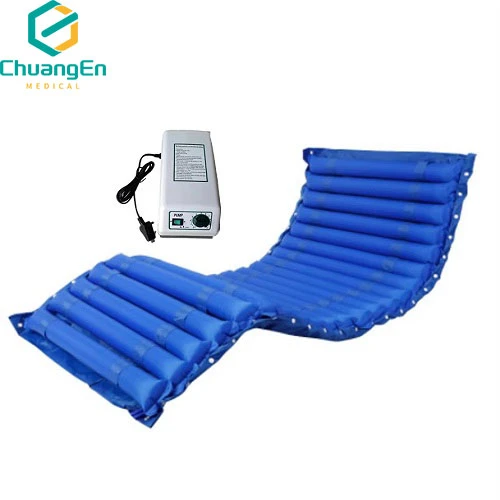
Simply put, a low pressure mattress system is a specialized mattress designed to distribute body weight more evenly to minimize pressure points. Unlike traditional foam mattresses, these systems use air or foam technology to create a gentle surface that shifts pressure away from vulnerable areas like the sacrum, heels, and elbows.
Think of it like floating on a soft cloud that adjusts subtly with every movement, reducing the risk of tissue damage. These mattresses are invaluable in hospitals, nursing homes, and rehabilitation centers, but their relevance extends to humanitarian operations, remote clinics, and disaster response, where patient mobility and comfort can’t be compromised.
Core Components of a Low Pressure Mattress System
1. Pressure Redistribution Technology
The foundation is materials or air cells that reduce peak pressure. Some systems employ alternating pressure—which cyclically inflates and deflates chambers—to stimulate blood flow and prevent skin breakdown.
2. Durability and Hygiene
It’s crucial these mattresses resist wear, tear, and infection. Materials are often antimicrobial and waterproof, meeting ISO standards for medical devices. This ensures longevity and patient safety, an absolute must in busy hospitals.
3. Adjustable Pressure Settings
Every patient is unique. Modern systems allow caregivers to tailor air pressure or firmness levels through pumps or manual controls, accommodating different body weights and medical needs.
4. Portability and Scalability
Especially in emergency or remote settings, lighter and easily transportable mattress systems are game changers. Scalability means they can be integrated into a wide range of bed types and sizes.
5. Energy Efficiency
Some systems rely on low-voltage pumps with minimal power consumption or even battery backups, which is vital for use in settings with unreliable electricity.
Product Specification Table: Typical Low Pressure Mattress System Features
| Feature | Specification | Benefit |
|---|---|---|
| Surface Type | Alternating air cells or high-resilience foam | Pressure redistribution & improved circulation |
| Material | Medical-grade, antimicrobial, waterproof covers | Hygiene & durability |
| Pressure Settings | Adjustable via pump or manual controls | Customized therapy options |
| Power Supply | Low voltage, battery backup optional | Energy efficient, reliable in any setting |
| Weight Capacity | Up to 250 kg (550 lbs) | Supports diverse patient needs |
Global Applications & Real-World Use Cases
In real terms, the low pressure mattress system shines in varied environments:
- Hospital wards: Reducing pressure ulcers in ICU and long-term care units.
- Disaster relief: Quick deployment in tents where injured or bedridden individuals require immediate pressure care.
- Remote clinics: Lightweight systems ideal where resources and electricity are limited.
- Elder care homes: Protecting frail seniors prone to skin breakdown.
- Veterinary clinics: Even in animal care, such mattresses help prevent bed sores.
For instance, after the 2019 cyclone affecting Southeast Asia, several NGOs equipped field hospitals with low-pressure mattress systems, ensuring patients could recover with dignity and fewer complications. Meanwhile, industrial zones with isolated workers rely on robust models for their onsite clinics.
Vendor Comparison: Leading Low Pressure Mattress Systems
| Vendor | Technology | Price Range | Power Source | Warranty |
|---|---|---|---|---|
| ChuangEn Medical | Alternating Air Cells | $$$ | Low voltage pump + battery backup | 3 years |
| MedAir Systems | Foam with gel overlay | $$ | None (manual) | 2 years |
| SafeRest Medical | Alternating low air loss | $$$$ | Smart pump with control panel | 5 years |
The Long-Term Value of Low Pressure Mattress Systems
Beyond clinical facts and figures, these systems offer something deeper — reassurance and dignity for vulnerable individuals. Caregivers often say that preventing pressure injuries means not just a better clinical outcome but a better quality of life. Families find peace knowing their loved ones are supported optimally, and healthcare systems save millions annually through decreased complications.
Then there’s sustainability: many models use recycled materials or are designed for easy cleaning and longer product lifespans, reducing waste — no small thing in today’s eco-conscious world.
Future Trends & Innovations in Low Pressure Mattress Systems
The horizon looks promising. Emerging developments include:
- Smart sensors: Embedded tech to monitor pressure points and patient movement in real-time.
- Green energy integration: Power sources relying on solar or kinetic energy, especially for remote settings.
- Advanced materials: Breathable, antimicrobial fabrics that self-disinfect or regulate temperature.
- AI-assisted therapy: Systems that adapt automatically to patient needs.
Frankly, it feels like the next decade will shift mattress care from reactive to proactive healthcare.
Challenges & Practical Solutions
Of course, no tech is without limitations. Some current concerns include:
- Cost barriers: High-end mattresses can be expensive to procure and maintain.
- Power reliability: In off-grid locations, consistent energy supply remains tricky.
- Training needs: Staff must know how to operate and adjust systems effectively.
Solutions? Manufacturers are designing simpler interfaces and battery backups, NGOs provide training programs, and pooled procurement is helping reduce costs. It's a team effort, as you might expect.
FAQs About Low Pressure Mattress Systems
- What types of patients benefit most from low pressure mattress systems?
- Patients at high risk of pressure ulcers — like those confined to bed, elderly, or with limited mobility — benefit significantly from these systems, as they distribute weight and reduce skin damage risk.
- How often should the mattress settings be adjusted?
- Settings should be reviewed daily or whenever patient condition changes. Caregivers typically adjust pressure to match patient weight, movement, and skin condition for optimal results.
- Can low pressure mattress systems be used outside hospital settings?
- Absolutely. They’re increasingly used in home care, nursing homes, emergency relief camps, and even veterinary clinics where protection from pressure injuries is needed.
- Are these mattress systems easy to clean and maintain?
- Yes, most feature waterproof, antimicrobial covers and removable parts designed for thorough cleaning, aligning with hospital hygiene protocols and regulatory standards.
- How do I choose the right supplier for a low pressure mattress?
- Look for vendors with certifications (like ISO13485), good warranties, field support, and products tailored to your care environment. Comparing specs and reviews helps greatly.
Conclusion
The low pressure mattress system isn’t just a fancy hospital bed accessory; it’s a core patient care tool with far-reaching impact. From reducing healthcare costs to preserving the dignity of the vulnerable, its long-term value is considerable. If you’re looking to learn more or upgrade your equipment, visit ChuangEn Medical’s website — they offer cutting-edge solutions tailored to diverse healthcare needs.
In the end, it’s about blending innovation with compassion — a mattress that truly cares.
Takeaway: Thoughtful design in low pressure mattress systems reduces suffering, saves costs, and improves lives worldwide. That’s the kind of technology worth knowing.
References: