Understanding the Mattress for Bed Sore Prevention: Why It Matters
If you’ve ever cared for someone who’s bedridden or spent time in a hospital, you know how uncomfortable, even dangerous, prolonged immobility can be. One silent and persistent threat is bed sores, technically known as pressure ulcers, which affect millions worldwide every year. Enter the mattress for bed sore prevention—a specialized product designed to reduce the risk of skin breakdown through pressure redistribution, moisture control, and better support. These mattresses aren’t just fancy cushions; they’re critical medical devices impacting patient quality of life, recovery times, and healthcare costs globally.
Why should we care on a global scale? According to the World Health Organization, pressure ulcers complicate 10–25% of hospital stays worldwide, affecting vulnerable populations like the elderly, spinal injury patients, and those in intensive care. Understanding and implementing mattresses that prevent bed sores is vital—not only in hospitals but in home care and long-term facilities. The benefits extend beyond health: they reduce medical expenses, improve dignity for patients, and lower caregiver burden. Frankly, they’re a quiet revolution in patient comfort and safety.
Mini takeaway:
- Pressure ulcers are a global issue affecting patient health and healthcare budgets.
- Specialized mattresses for bed sore prevention are crucial in mitigating these risks.
The Global Context of Mattresses for Bed Sore Prevention
Pressure ulcer prevention is becoming a universally recognized healthcare priority. With aging populations in Europe, North America, and parts of Asia, the demand for advanced mattress technology is skyrocketing. The United Nations estimates that by 2050, 16% of the global population will be over 65, making mattress solutions increasingly relevant. But it’s not just aging—it’s also chronic illnesses, hospitalization rates, and even limited resources in developing countries that pose challenges.
In resource-limited settings, where long-term bedridden patients might lack regular repositioning, mattresses that inherently reduce pressure points can be lifesaving. The challenge here isn’t just clinical; it’s economic and social. This mattress technology addresses a real gap: how do you provide sustainable, effective pressure care worldwide?
Mini takeaway:
- Aging populations and healthcare challenges are driving mattress innovations globally.
- Adapting mattress solutions to low-resource environments is a key future goal.
What Is a Mattress for Bed Sore Prevention?
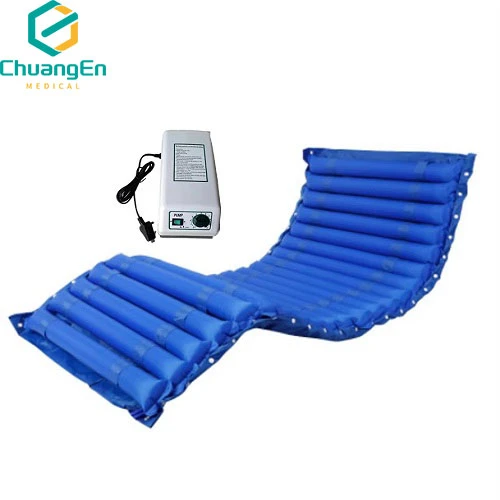
Simply put, a mattress for bed sore prevention is a specialized surface engineered to reduce continuous pressure on vulnerable skin areas, primarily bony prominences such as the heels, sacrum, and elbows. Unlike traditional mattresses, these often combine advanced foam, air cells, or gel layers to distribute weight more evenly and reduce ischemia, the root cause of tissue breakdown.
They might be static or dynamic (adjusting pressure automatically), and sometimes feature moisture-wicking covers to prevent skin maceration. In medical and humanitarian fields, these mattresses transform how prolonged immobility is managed, ensuring patients maintain skin integrity better than ever before.
Mini takeaway:
- These mattresses focus on evenly redistributing pressure to prevent skin damage.
- They combine materials and tech for dynamic or static pressure relief.
Key Components of Effective Bed Sore Prevention Mattresses
1. Pressure Redistribution Technology
The heart of any mattress designed to prevent pressure ulcers is how well it redistributes weight. This can be done via high-density memory foam, alternating air cells, or hybrid gel inserts that conform to body shape, helping reduce constant pressure hotspots.
2. Durability and Support
These mattresses must maintain their shape and pressure-relief properties over time. Durable materials prevent sagging, which could cause new pressure points to form. Many models are designed to withstand daily cleaning and disinfecting, essential in clinical settings.
3. Moisture Control Features
Excess moisture from sweating or incontinence hastens skin breakdown. Mattress covers made with breathable, waterproof fabrics keep skin dry without compromising comfort or hygiene.
4. Ease of Maintenance and Hygiene
Removable, washable covers and antimicrobial materials reduce infection risks and prolong mattress life.
5. Cost Efficiency
Though some advanced mattresses come at a premium, their long-term savings from pressure ulcer prevention—lower treatment needs and shorter hospital stays—justify the investment.
Mini takeaway:
- Pressure redistribution, durability, moisture control, maintenance, and cost balance are essential.
Mattress for Bed Sore Prevention: Product Specifications
| Feature | Typical Specification | Benefit |
|---|---|---|
| Material | Viscoelastic Foam, Air Cells, Gel Hybrid | Conforms to body shape; redistributes pressure |
| Pressure Relief | Alternating Pressure (Dynamic) or Static Pressure Redistribution | Prevents ischemia and skin breakdown |
| Cover Fabric | Waterproof, Breathable, Antimicrobial | Maintains hygiene and skin dryness |
| Weight Capacity | Up to 250 kg (550 lbs) | Supports diverse patient sizes safely |
| Dimensions | Standard hospital sizes, e.g., 80" x 36" x 7" | Fits most medical bed frames |
Vendor Comparison: Leading Mattresses for Bed Sore Prevention
| Vendor | Technology | Price Range | Key Strength |
|---|---|---|---|
| PressureCare Inc. | Alternating Air Cells | $1,800–$2,500 | Highly customizable pressure settings |
| SafeRest Medical | Memory Foam + Gel Layer | $1,200–$1,700 | Balance of comfort and price |
| HealPlus Solutions | Dynamic Low Air Loss | $2,500–$3,500 | Superior moisture control and airflow |
Global Applications & Use Cases
In real-world settings, mattresses for bed sore prevention are indispensable. Hospitals worldwide rely on dynamic air mattresses in intensive care units to protect patients who can’t be repositioned regularly. In long-term care homes in Europe and North America, static foam mattresses have become standard issue, linking patient dignity with fewer costly ulcer treatments.
Oddly enough, even disaster relief organizations are exploring such mattresses for improvised hospitals. In post-disaster zones where prolonged bed rest is inevitable—think earthquake aftermaths or flood camps—such mattresses can drastically reduce secondary complications. We also see their increasing role in home care: families now prioritize specialized mattresses to keep elderly loved ones safe, blending medical efficacy with comfort.
Mini takeaway:
- Hospitals, care homes, disaster relief, and home care are primary application areas.
- Makes a significant difference in patient outcomes globally.
Advantages & Long-Term Value of Pressure-Relieving Mattresses
The benefits extend beyond the obvious clinical outcomes. For healthcare providers, these mattresses reduce pressure ulcer incidence by up to 50%, cutting down treatment costs according to studies published by the National Pressure Ulcer Advisory Panel. For patients, they mean less pain, better sleep, and a measure of dignity preserved when vulnerable.
Socially, reducing bed sores advances patient safety culture and relieves caregiver stress. When I visited a rehabilitation center recently, nurses stressed how the right mattress reduced their need for manual repositioning. And from an innovation standpoint, many manufacturers continue refining materials and designs, underscoring how important this market segment is.
Mini takeaway:
- Lower ulcer risks; better patient comfort and dignity.
- Cost savings and reduced caregiver workload benefit the entire system.
Future Trends & Innovations
Looking ahead, the mattress for bed sore prevention segment is evolving fast. Researchers explore integrating smart sensors that monitor pressure and alert caregivers to reposition patients. New sustainable, biodegradable foams and covers aim to reduce environmental impact—significant given healthcare’s carbon footprint. Some developers incorporate low-energy pump systems powered by green energy for dynamic air mattresses, cutting reliance on mains power in remote locations.
We’re also seeing digital transformation: connected mattresses that feed data into patient monitoring systems. This sort of automation and analytics could revolutionize personalized care plans, making pressure ulcer prevention proactive rather than reactive.
Mini takeaway:
- Integration of sensors and automation enhances patient care.
- Sustainability and green energy use are growing priorities.
Challenges & Expert Solutions
Despite advances, challenges remain. Costs can be prohibitive, especially in low-income settings. Some dynamic mattresses require electricity and regular maintenance, limiting remote or disaster deployment. Additionally, proper training is essential; mattresses alone can’t replace the need for repositioning and skin checks.
Innovative approaches include modular mattress systems, combining static and dynamic zones to reduce power needs, and using locally sourced materials to lower costs. NGOs partnering with manufacturers help subsidize access. Education efforts emphasize the mattress as one part of a pressure ulcer prevention bundle.
Frequently Asked Questions About Mattress for Bed Sore Prevention
- 1. How does a mattress for bed sore prevention differ from a standard hospital mattress?
- These mattresses are designed with materials and technologies—like alternating air cells or pressure-relieving foam—that redistribute weight and reduce constant pressure on skin. Standard mattresses generally lack these specialized features, increasing risk of pressure ulcers in immobile patients.
- 2. Can these mattresses be used for home care patients?
- Absolutely. Many models cater to home use with easy setup, durable covers, and adjustable pressure settings. They improve comfort and safety for patients recovering at home or those with chronic immobility.
- 3. What maintenance is required to ensure mattress effectiveness?
- Routine cleaning of covers, periodic inspection for material wear, and for dynamic mattresses, checking pump function are key. Proper maintenance extends lifespan and performance.
- 4. Are there cost-effective options for low-resource settings?
- Yes, some vendors offer modular static foam mattresses with breathable covers optimized for low-cost mass production, combined with training to maximize effectiveness. Partnerships with NGOs also help improve accessibility.
Conclusion: Prioritizing Mattress Solutions for Bed Sore Prevention
Ultimately, mattress for bed sore prevention isn’t just a product—it’s a cornerstone of compassionate, smart healthcare in today’s world. From intensive care units to remote home settings, these mattresses protect vulnerable patients, cut costs, and support caregivers. With emerging smart technologies and sustainable materials, their role will only deepen, helping us face the challenges of aging populations and resource constraints. If you’re looking to explore practical solutions with proven benefits, definitely check out mattress for bed sore prevention. Your patients’ comfort and dignity are simply too important to overlook.