Pressure ulcers, also known as bedsores, are a significant concern for individuals with limited mobility, such as those recovering from injuries, living with chronic illnesses, or elderly patients. Pressure ulcer cushion, seat cushion for pressure sores, bedsore cushions, and pressure relief cushions play a pivotal role in preventing and managing these painful conditions. From a medical standpoint, these cushions are designed to distribute body weight evenly, reduce pressure on bony prominences, and promote blood circulation. Simultaneously, they enhance comfort for users in home care settings, allowing them to maintain a higher quality of life. This article explores the multifaceted benefits of these cushions, combining medical insights with considerations for home comfort, material innovation, and practical selection criteria.
Medical Perspectives The Science Behind Pressure Relief Cushions
Medically, pressure ulcers develop when sustained pressure on specific body areas restricts blood flow, leading to tissue damage. Pressure ulcer cushion and pressure relief cushions are engineered to address this by minimizing interface pressure. Clinical studies show that cushions with high-density foams, gel layers,compared to standard seating surfaces. For instance, a seat cushion for pressure sores with contouring features molds to the body's shape, evenly distributing weight across the buttocks and thighs, which are common sites for bedsores.
These cushions also play a role in shear force reduction. Shear occurs when the skin moves against a surface while the body is in motion, such as when transferring from a bed to a wheelchair. Bedsore cushions with non-slip bases and breathable covers help prevent shear by stabilizing the user's position and allowing gentle movement without friction. Additionally, proper cushion use can reduce the risk of moisture-related skin damage by wicking away sweat, a key factor in pressure ulcer development. Healthcare professionals often recommend these cushions as part of a comprehensive pressure injury prevention plan, alongside regular position changes and skin inspection.
Home Comfort Enhancing Daily Life for Pressure relief cushions
In home care environments, comfort is equally as important as medical efficacy. Pressure relief cushions and bedsore cushions are designed with user comfort in mind, featuring soft yet supportive materials that make long-term sitting or lying more tolerable. For example, memory foam seat cushion for pressure sores conforms to the body's curves, providing a customized fit that reduces pressure points while offering a plush feel. Gel-infused cushions, on the other hand, provide a cool surface, which is particularly beneficial for users who experience discomfort from prolonged heat buildup.
Aesthetic and practical design elements also contribute to home comfort. Many pressure ulcer cushion models come in neutral colors or removable, washable covers, allowing them to blend seamlessly with home decor while maintaining hygiene. Lightweight and portable options make it easy for users to transfer the cushion between a wheelchair, armchair, or bed, ensuring consistent pressure relief across different settings. Family caregivers appreciate these features, as they help their loved ones feel more at ease in familiar surroundings, reducing stress and improving overall well-being.
Bedsore Cushions and Design Innovations for Optimal Performance
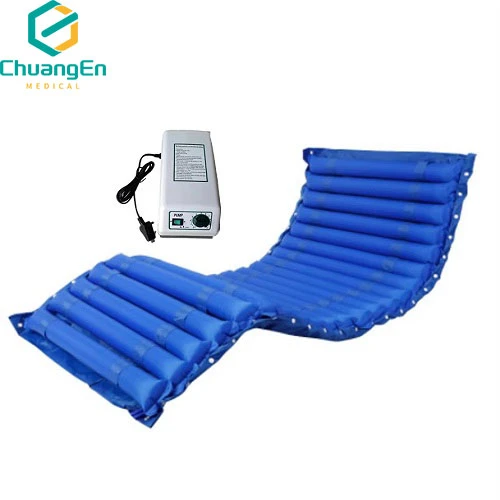
Advancements in materials science have revolutionized the effectiveness of pressure relief cushions and bedsore cushions. High-resilience foams offer durability and consistent support, while viscoelastic memory foams adapt to body heat and weight, providing dynamic pressure distribution. Gel layers, often combined with foam, add another layer of pressure reduction by conforming to bony areas like the sacrum and ischial tuberosities. Air-filled cushions with adjustable cells allow users to customize the firmness according to their needs, making them suitable for a wide range of body types and mobility levels.
Selecting the Right Pressure Ulcer Cushion Key Considerations
Choosing the appropriate pressure ulcer cushion or bedsore cushions requires assessing the user's specific needs. Factors such as body weight, mobility level, and the primary use locationare essential. For wheelchair users, a seat cushion for pressure sores with precise dimensions and secure fastening straps is crucial to maintain proper posture and prevent slippage. Bedridden patients may benefit from larger pressure relief cushions that cover the entire contact area, such as the buttocks and heels, to distribute pressure across a wider surface.
It is also important to consider the severity of the user's condition. Individuals at high risk of pressure ulcers may require advanced designs with multiple pressure-relieving layers, while those at moderate risk might find basic foam cushions sufficient. Regular evaluation by a healthcare provider can help determine the most suitable type, as needs may change over time. Additionally, checking for certifications from medical standards organizations ensures that the cushion meets safety and efficacy requirements.
Pressure Relief Cushions FAQs
How do I clean and maintain a pressure ulcer cushion?
Most pressure relief cushions have removable, machine-washable covers that should be cleaned regularly to prevent bacteria buildup. For the inner cushion, wipe it with a mild soap and water solution, ensuring it is completely dry before reapplying the cover. Always follow the manufacturer's care instructions to maintain the cushion's integrity.
Can a seat cushion for pressure sores be used on any chair?
Yes, many seat cushion for pressure sores are designed to be versatile and can be placed on armchairs, wheelchairs, or even car seats. However, ensure the cushion fits the chair properly and has non-slip features to prevent sliding, which could increase shear force and defeat its purpose.
Are bedsore cushions suitable for individuals with existing pressure ulcers?
Bedsore cushions are often recommended for both prevention and management of pressure ulcers. They help relieve pressure on existing wounds, promoting healing by improving blood flow to the affected area. However, consult a healthcare professional to select the right cushion and integrate it with other wound care measures.
How often should I replace a pressure relief cushion?
The lifespan of a pressure relief cushion depends on usage and material. High-quality cushions can last 6 to 12 months, but signs of wear such as flattening, tearing, or loss of elasticity mean it’s time to replace them. Regularly inspect the cushion to ensure it continues to provide adequate pressure relief.
Can family caregivers choose a pressure ulcer cushion without professional advice?
While family caregivers can research and select cushions, consulting a healthcare provider or occupational therapist is advisable. They can assess the user’s specific needs, such as weight, mobility, and medical history, to recommend the most appropriate pressure ulcer cushion or seat cushion for pressure sores for optimal effectiveness.
The importance of pressure ulcer cushion, seat cushion for pressure sores, bedsore cushions, and pressure relief cushions extends beyond mere medical necessity; they are integral to enhancing comfort and quality of life in home care settings. From their role in pressure distribution and shear force reduction to innovative materials and user-friendly designs, these cushions bridge the gap between clinical effectiveness and everyday comfort. By understanding their medical benefits, selecting the right type, and incorporating proper care, both healthcare professionals and family caregivers can significantly reduce the risk of pressure ulcers while ensuring users feel supported and comfortable in their daily lives.
Pressure ulcer prevention and management rely heavily on specialized cushions that combine medical functionality with home comfort. Pressure ulcer cushion, seat cushion for pressure sores, bedsore cushions, and pressure relief cushions are designed to distribute weight, reduce pressure and shear force, and enhance blood circulation, all critical for avoiding tissue damage. In home care, their comfortable materials and portable designs improve daily life for users, while material innovations like memory foam and gel layers boost performance. Selecting the right cushion involves considering individual needs, and proper maintenance ensures efficacy. These cushions are essential tools in both clinical and home settings, promoting health and well-being for those with limited mobility.