Navigating the Future of Mobility: Industry Trends in Electric Foldable Wheelchairs
The global demand for advanced personal mobility solutions is experiencing unprecedented growth, driven by an aging population, increasing prevalence of mobility impairments, and a societal shift towards inclusive design. Within this evolving landscape, the electric foldable wheelchair has emerged as a cornerstone technology, offering unparalleled independence and convenience for users, and significant operational advantages for B2B stakeholders such as healthcare providers, rehabilitation centers, and rental services. Industry analyses project the global mobility aids market to reach over USD 15 billion by 2027, with electric wheelchairs forming a substantial segment due to their enhanced functionality and user-friendliness.
Key trends shaping this market include the miniaturization of power components, the integration of smart technologies, and an increasing focus on lightweight yet robust materials. End-users are seeking devices that combine power with portability, allowing for seamless transitions between indoor and outdoor environments, and effortless transport in vehicles. For B2B purchasers, factors like durability, ease of maintenance, and compliance with international safety standards are paramount, influencing procurement decisions and long-term investment strategies.
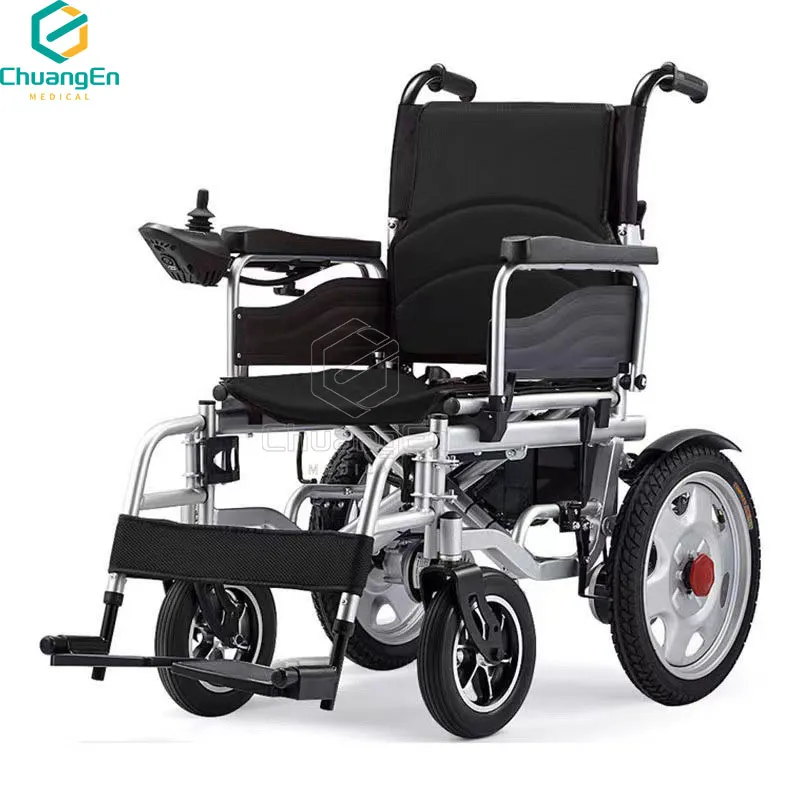
Fig 1: Modern electric foldable wheelchair design for enhanced portability.
This article delves into the technical intricacies, application versatility, and operational advantages of advanced electric foldable wheelchairs, providing B2B decision-makers with a comprehensive understanding of current market offerings and future potential.
Technical Specifications and Core Advantages of Advanced Electric Foldable Wheelchairs
Modern electric foldable wheelchair solutions are engineered for optimal performance, combining robust construction with advanced propulsion and control systems. The underlying architecture typically comprises a lightweight, high-strength frame, efficient brushless DC motors, sophisticated battery management systems, and intuitive control interfaces.
Materials and Construction
Frames are predominantly constructed from aerospace-grade aluminum alloys or carbon fiber composites, chosen for their superior strength-to-weight ratio and corrosion resistance. These materials ensure that the wheelchair remains a truly lightweight foldable electric wheelchair, enhancing portability without compromising structural integrity or load-bearing capacity. For instance, a typical aluminum alloy frame, often utilizing 6061 or 7005 series, offers excellent weldability and mechanical properties. Surface treatments, such as powder coating or anodizing, further enhance durability and aesthetics.
Propulsion and Battery Systems
The propulsion system relies on two independent, high-torque brushless DC (BLDC) motors, typically ranging from 200W to 250W each, providing direct drive to the rear wheels. BLDC motors are favored for their energy efficiency, quiet operation, and extended service life due to the absence of brushes. Power is supplied by high-capacity lithium-ion (Li-ion) batteries, often 24V/10Ah or 24V/20Ah, integrated with a sophisticated Battery Management System (BMS). The BMS safeguards against overcharging, over-discharging, overheating, and short circuits, ensuring both user safety and prolonging battery longevity. A single charge can provide a range of 15-25 km, depending on terrain and user weight, making an electric wheelchair a reliable choice for extended use.
Control and Safety Features
Control is typically managed via an intuitive, programmable joystick, offering precise 360-degree maneuverability. Modern controllers often include features like speed adjustment, battery level indicators, and fault diagnostics. For safety, electromagnetic brakes are standard, providing immediate and reliable stopping power even on inclines. Anti-tip wheels, seat belts, and robust footrests further enhance user security. The folding mechanism is designed for ease of use, often requiring a single pull or push, collapsing the chair into a compact form factor ideal for transport and storage.
Table 1: Typical Technical Specifications for a High-Performance Electric Foldable Wheelchair
| Parameter | Specification Range |
|---|---|
| Frame Material | Aerospace-grade Aluminum Alloy / Carbon Fiber |
| Motor Type & Power | 2 x Brushless DC (BLDC), 200W-250W each |
| Battery Type & Capacity | Lithium-ion (Li-ion), 24V/10Ah to 24V/20Ah |
| Max Speed | 6 km/h (3.7 mph) |
| Driving Range | 15-25 km per charge |
| Weight Capacity | 120 kg - 150 kg (265 lbs - 330 lbs) |
| Net Weight | 23 kg - 28 kg (50 lbs - 62 lbs) without battery |
| Folded Dimensions | Approx. 80 x 60 x 30 cm (31.5 x 23.6 x 11.8 inches) |
| Wheel Size (Front/Rear) | 8/12 inch or 10/16 inch Solid PU/Pneumatic |
| Braking System | Electromagnetic Brake |
| Max Climbing Angle | 8-12 degrees |
| Controller | Intelligent Joystick Controller |
The Manufacturing Process: Precision and Quality in Every Electric Foldable Wheelchair
The production of a high-quality foldable electric wheelchair involves a meticulously engineered process, from raw material sourcing to final rigorous testing. This multi-stage approach ensures reliability, safety, and optimal performance for the end-user.
Manufacturing Process Flow:
- Material Procurement & Quality Inspection: Sourcing of aerospace-grade aluminum alloys (e.g., 6061-T6) or carbon fiber sheets. Incoming materials undergo stringent quality checks for composition, strength, and absence of defects, adhering to ASTM B209 and other relevant international standards.
-
Frame Fabrication:
- Cutting & Bending: Precision CNC machining is employed to cut and bend aluminum tubes or carbon fiber sheets to exact specifications, ensuring tight tolerances for the folding mechanism.
- Robotic Welding: Automated robotic welding systems are utilized for joining aluminum components, providing consistent, high-strength welds that minimize heat distortion and operator variability. For carbon fiber, advanced bonding agents and curing processes are used.
- Surface Treatment: Welded frames undergo cleaning, degreasing, and either powder coating (for aluminum) or clear coating (for carbon fiber) to enhance corrosion resistance and provide an aesthetic finish. This protects against environmental factors, crucial for long service life in diverse conditions.
- Motor & Wheel Assembly: Integration of high-efficiency brushless DC motors into the rear wheel hubs. Wheels (often solid PU or pneumatic, specified for durability) are assembled with bearings and tested for concentricity and balance.
- Battery & Control System Integration: Lithium-ion battery packs, complete with BMS, are secured within the frame. The intelligent joystick controller, wiring harness, and electromagnetic braking system are meticulously installed and connected. All electrical connections undergo dielectric strength and continuity testing.
- Final Assembly: Components such as seats, armrests, footrests, and anti-tip wheels are affixed. Ergonomic considerations are paramount during this stage.
-
Rigorous Testing & Quality Assurance: Every finished unit undergoes comprehensive testing:
- Functional Testing: Speed, braking, steering, and folding mechanisms are tested repeatedly.
- Load Bearing Test: Static and dynamic load tests simulate real-world usage beyond specified weight capacity to ensure structural integrity.
- Endurance & Cycle Testing: The wheelchair is subjected to prolonged operation on various terrains and repeated folding cycles to estimate service life, typically designed for 5-7 years of daily use.
- Electrical Safety Testing: Compliance with IEC 60601-1 for medical electrical equipment, including insulation resistance and leakage current tests.
- EMC/EMI Testing: Electro-Magnetic Compatibility and Interference testing to ensure the device does not interfere with other electronic equipment and is resistant to external interference.
- Packaging & Shipping: Products are carefully packaged to prevent damage during transit, ready for distribution to target industries such as healthcare, home care, and travel & leisure.
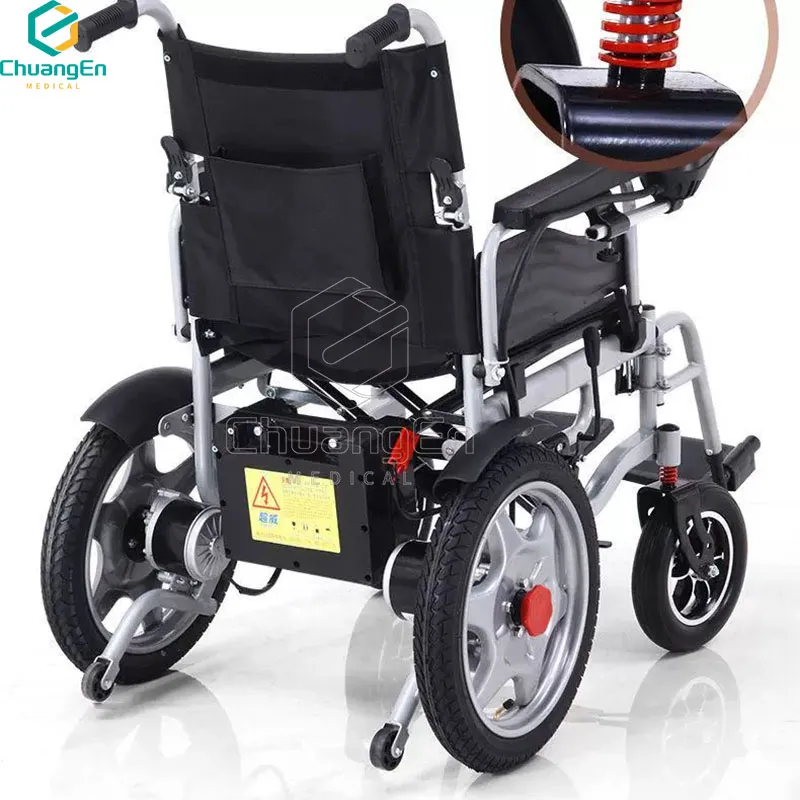
Fig 2: Advanced manufacturing techniques ensure the robust construction of an electrical wheelchair.
This rigorous manufacturing and testing protocol ensures that each electric push wheelchair not only meets but often exceeds the demanding requirements of ISO 13485 (Medical Devices Quality Management System), ANSI/RESNA standards for assistive technology, and relevant FDA and CE directives.
Application Scenarios and Practical Case Studies
The versatility and portability of an electric foldable wheelchair make it indispensable across a multitude of B2B application scenarios, serving various industries from healthcare to travel.
Target Industries and Typical Applications:
- Hospitals & Rehabilitation Centers: For patient transport within facilities, rehabilitation exercises, and providing temporary mobility solutions for patients post-surgery or during recovery. Their compact size allows easy navigation through crowded corridors and standard doorways.
- Nursing Homes & Assisted Living Facilities: Empowering residents with greater independence, enabling participation in social activities, and facilitating outings. The intuitive controls ensure ease of use for the elderly.
- Home Care Services: For clients requiring personal mobility assistance at home and during community integration activities. The folding capability is crucial for transport in family vehicles.
- Travel & Tourism Industry: Airports, cruise lines, and tour operators can offer these wheelchairs as a premium service, significantly enhancing accessibility for travelers with mobility challenges. Their IATA-compliant battery specifications allow for air travel.
- Corporate Campuses & Large Venues: Providing temporary or permanent mobility for employees or visitors with disabilities, ensuring compliance with accessibility regulations and promoting an inclusive environment.
Application Case Study: Enhancing Patient Mobility in a Large Rehabilitation Hospital
"MediRehab," a leading 300-bed rehabilitation hospital, faced challenges with patient mobility, particularly for those transitioning from intensive care to long-term rehabilitation. Traditional manual wheelchairs required constant staff assistance, impacting resource allocation. After evaluating various options, MediRehab invested in a fleet of 20 electric wheelchair units, specifically targeting models known for their robust design and intuitive controls.
Results: Within six months, MediRehab observed a 30% increase in patient self-initiated mobility for daily activities and therapy sessions. Staff reported a 15% reduction in time spent assisting with patient transport, allowing them to focus on specialized care. The compact folding feature proved invaluable for storage in therapy rooms and transport in hospital shuttles for external appointments. The energy-saving brushless motors and long-life batteries also contributed to lower operational costs compared to previous models. This investment significantly improved patient independence and optimized operational efficiency, underscoring the value of high-quality electric wheelchair sales to institutional buyers.
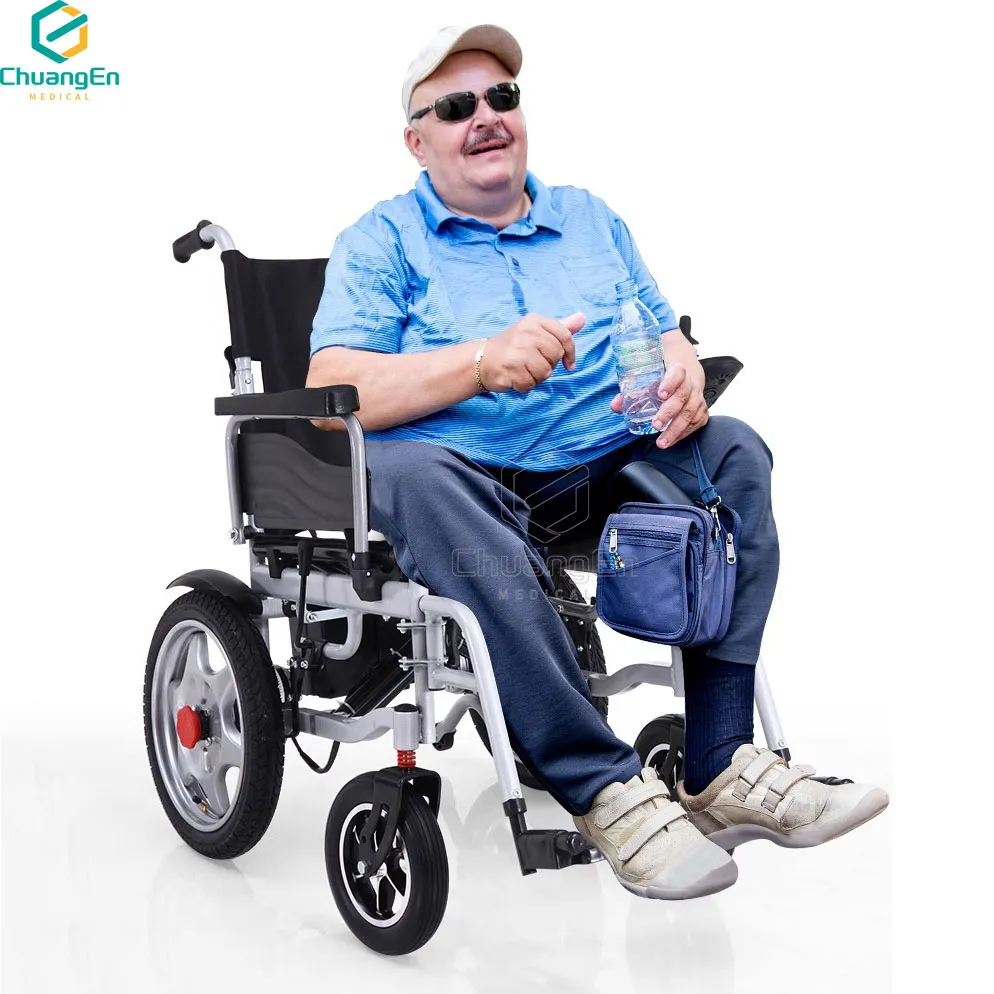
Fig 3: An electric foldable wheelchair offers enhanced mobility in diverse settings.
Introducing the CLD-01 Foldable Electric Power Wheelchair For The Elderly(16 Inch)
The CLD-01 Foldable Electric Power Wheelchair For The Elderly(16 Inch) exemplifies the pinnacle of modern mobility engineering, specifically designed to meet the rigorous demands of healthcare facilities and discerning individual users. Combining robust construction with intelligent design, this model ensures both user comfort and operational efficiency.
Key Features of the CLD-01:
- Lightweight Aluminum Alloy Frame: Weighing approximately 26 kg (including battery), the CLD-01 is constructed from high-strength aluminum alloy, ensuring durability and easy portability.
- Powerful Dual Motor System: Equipped with two 250W brushless motors, providing reliable power and smooth operation with minimal noise.
- Long-Lasting Lithium-ion Battery: A 24V/12Ah lithium-ion battery offers an impressive range of up to 20 km on a single charge, supporting extended use without frequent recharging.
- Compact Foldability: Designed for effortless one-step folding, the CLD-01 collapses into a compact size, making it ideal for storage in tight spaces or transportation in car trunks.
- Enhanced Safety Features: Includes electromagnetic brakes for instant stopping, anti-tip wheels for stability, and a comfortable, ergonomic seat design.
- Intuitive Joystick Control: The intelligent 360-degree joystick allows for precise maneuvering, easily adaptable for both right and left-hand users.
Table 2: CLD-01 Foldable Electric Power Wheelchair (16 Inch) Specifications
| Parameter | Specification |
|---|---|
| Product Name | CLD-01 Foldable Electric Power Wheelchair For The Elderly(16 Inch) |
| Frame Material | High-Strength Aluminum Alloy |
| Motor Type & Power | 2 x Brushless DC (BLDC), 250W each |
| Battery Type & Capacity | 24V/12Ah Lithium-ion |
| Max Speed | 6 km/h (3.7 mph) |
| Driving Range | Up to 20 km (12.4 miles) |
| Weight Capacity | 120 kg (265 lbs) |
| Net Weight (with battery) | 26 kg (57.3 lbs) |
| Seat Width | 16 inches (approx. 40 cm) |
| Folded Dimensions (L x W x H) | Approx. 80 x 60 x 30 cm |
| Wheel Size (Front/Rear) | 8-inch Front / 12-inch Rear Solid PU |
| Braking System | Electromagnetic Brake |
| Max Climbing Angle | 10 degrees |
| Controller | Intelligent Joystick Controller |
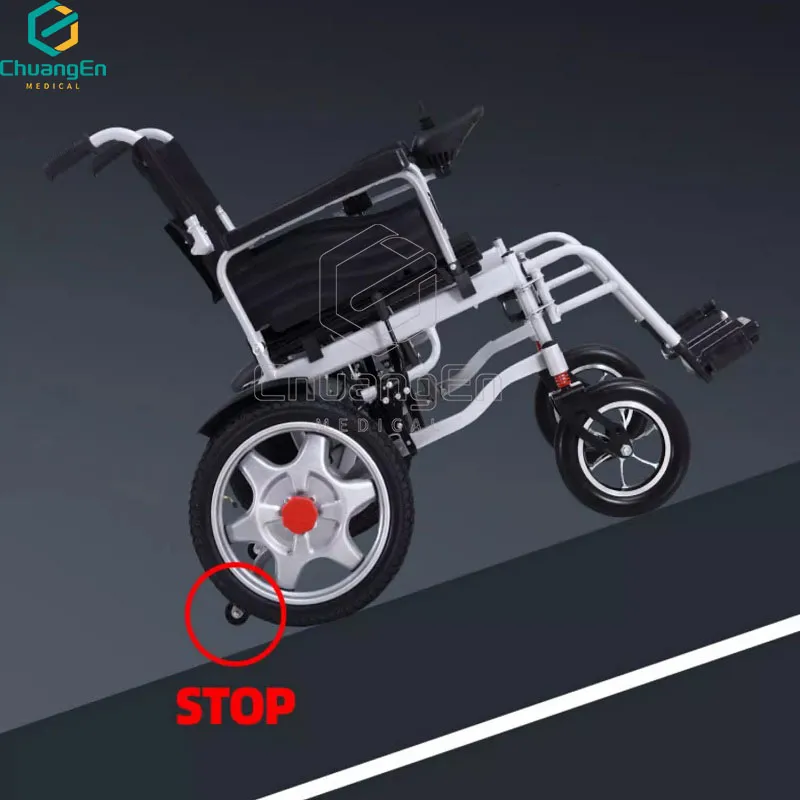
Fig 4: The CLD-01, an exemplary electric foldable wheelchair, showcasing its user-centric design.
Vendor Comparison, Customized Solutions, and Procurement Considerations
For B2B entities, the procurement of electric wheelchair sales solutions goes beyond mere product specifications. It involves a strategic evaluation of vendors, their customization capabilities, and the total cost of ownership, including the initial electric wheelchair cost, maintenance, and service life.
Key Factors for Vendor Comparison:
- Certifications and Compliance: Verify adherence to international standards like ISO 13485 (Medical Devices Quality Management), FDA clearance, CE marking for European markets, and ANSI/RESNA testing protocols.
- Product Range and Innovation: Assess the breadth of their product portfolio and their commitment to R&D, indicated by new models, technological advancements, and specialized variants.
- Customization Capabilities: For large-scale deployments or specialized applications, the ability to customize seat dimensions, battery capacity, control interfaces (e.g., attendant control), or accessories is a significant advantage.
- After-Sales Support & Warranty: Comprehensive warranty policies, availability of spare parts, and responsive technical support are critical for minimizing downtime and extending product service life.
- Track Record & Client References: Evaluate the vendor's years of service, reputation within the industry, and references from similar B2B clients.
Customized Solutions for B2B Needs:
Recognizing that diverse B2B clients have unique requirements, leading manufacturers offer customized solutions. For example, a hospital might require a fleet of wheelchairs with specific seat widths for bariatric patients, while a cruise line might need corrosion-resistant coatings for marine environments. Customization options can include:
- Adjustable seating systems for therapeutic positioning.
- Enhanced battery capacities for extended operational shifts.
- Specialized tire types for outdoor or rugged terrains.
- Integrated communication systems or medical device mounts.
- Branding and color options for corporate identity.
Partnerships with manufacturers capable of delivering tailored solutions can significantly enhance operational efficiency and user satisfaction, offering a competitive edge for service providers looking to `sell electric wheelchair` experiences.
Authoritativeness and Trustworthiness: Our Commitment to Quality and Service
In the medical device sector, trust is paramount. Our commitment to expertise, authoritativeness, and trustworthiness is embedded in every stage, from design to after-sales support. We adhere to the highest international standards to ensure that our an electric wheelchair products, including the CLD-01, deliver consistent performance and unwavering safety.
Certifications and Compliance:
Our manufacturing facilities and products are certified under:
- ISO 13485:2016: International standard for a quality management system specific to medical devices. This ensures a systematic approach to product design, development, production, and delivery that meets regulatory requirements.
- CE Marking: Demonstrates compliance with the European Union's health, safety, and environmental protection directives, allowing free movement of our products within the European Economic Area.
- FDA Registration (where applicable): For products distributed in the United States, signifying compliance with FDA regulations for medical devices.
- ANSI/RESNA WC-1: Adherence to performance standards for wheelchairs, ensuring structural integrity, occupant safety, and overall quality.
Our long-standing relationships with leading hospitals, rehabilitation networks, and government-funded care programs, spanning over a decade, underscore our reputation as a trusted provider of mobility solutions.
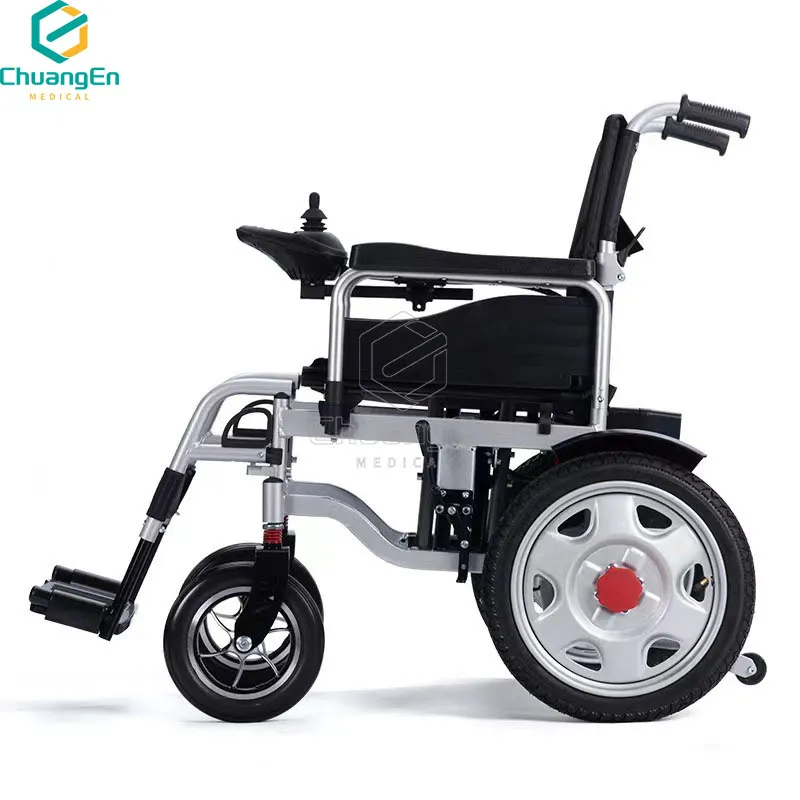
Fig 5: Rigorous testing ensures every electric foldable wheelchair meets stringent quality and safety standards.
Frequently Asked Questions (FAQ)
Q1: What is the typical lead time for a bulk order of electric foldable wheelchairs?
A1: Our standard lead time for bulk orders (e.g., 50+ units) is typically 4-6 weeks from order confirmation and deposit. This can vary based on customization requirements and current production schedules. We maintain a flexible manufacturing process to accommodate urgent requests where possible.
Q2: What warranty is offered for your electric foldable wheelchairs?
A2: We offer a comprehensive warranty package: typically a 5-year warranty on the frame, a 2-year warranty on motors and controllers, and a 1-year warranty on batteries. Specific terms may vary based on product model and regional regulations; please refer to your purchase agreement for details.
Q3: How durable are the batteries, and what is their expected service life?
A3: Our lithium-ion batteries are designed for longevity, typically providing 500-800 charge cycles before significant capacity degradation. With proper care and charging practices, an expected service life of 2-3 years is common, though many users experience longer. Replacement batteries are readily available.
Q4: What kind of after-sales support and spare parts availability can we expect?
A4: We provide dedicated technical support and a readily available inventory of spare parts for all our models. Our support team is accessible via phone and email to assist with troubleshooting, maintenance, and ordering replacement components, ensuring minimal downtime for your fleet of electrical wheelchair units.
Conclusion: Empowering Mobility with Advanced Electric Foldable Wheelchairs
The modern electric foldable wheelchair represents a significant leap forward in personal mobility, offering a blend of advanced engineering, user-centric design, and unparalleled convenience. For B2B organizations, investing in these high-performance devices translates into improved patient outcomes, enhanced operational efficiencies, and a demonstrable commitment to accessibility and inclusion.
From their lightweight, robust construction and efficient motor systems to their intuitive controls and rigorous safety certifications, these wheelchairs are designed to meet the dynamic needs of healthcare facilities, rehabilitation centers, and travel industries alike. By prioritizing quality, embracing innovation, and offering comprehensive support, manufacturers are empowering individuals to live more independent lives and enabling businesses to deliver superior care and services. The strategic decision to partner with a reputable provider for your electric wheelchair sales needs is an investment in future-proof mobility solutions.
References
- Market Research Future. (2023). Mobility Aids Market Research Report – Global Forecast to 2027.
- International Organization for Standardization. (2016). ISO 13485:2016 Medical devices — Quality management systems — Requirements for regulatory purposes.
- Rehabilitation Engineering and Assistive Technology Society of North America. (2020). ANSI/RESNA WC-1: Requirements for Wheelchairs and Associated Seating.
- U.S. Food and Drug Administration. (2022). Medical Devices - Wheelchairs and Mobility Aids.
- European Commission. (2023). Medical Devices Regulation (EU) 2017/745.