Understanding the Alternating Pressure Care Mattress: A Global Perspective
If you've ever spent time caring for someone with limited mobility or in a hospital bed, you've probably encountered the term alternating pressure care mattress. It’s one of those healthcare staples quietly working behind the scenes to prevent pressure ulcers and improve patients’ comfort. But beyond individual care, this technology holds a wider importance worldwide – especially as populations age and healthcare resources stretch ever thinner.
Globally, the healthcare sector faces mounting pressure to enhance patient outcomes while controlling costs. According to the World Health Organization, pressure ulcers affect roughly 1 in 10 hospitalized patients, prolonging stays and increasing medical costs exponentially. This makes understanding and implementing alternating pressure care mattresses not just beneficial but necessary for many care settings, from hospitals to disaster relief camps.
What Exactly Is an Alternating Pressure Care Mattress?
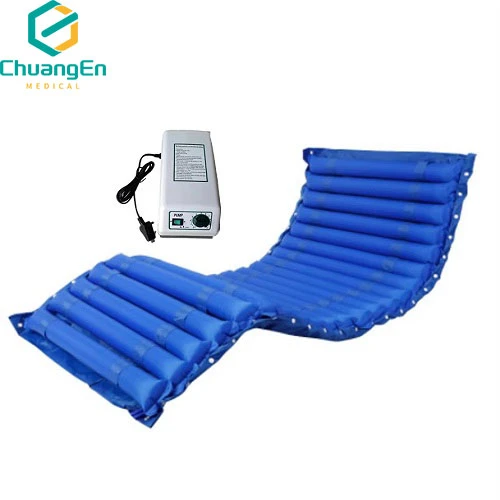
In the simplest terms, an alternating pressure care mattress is a specially designed bed mattress that gently shifts pressure under a patient's body by inflating and deflating air cells in a rotating cycle. This constant movement helps stimulate blood flow, reducing the risk of pressure ulcers (also known as bedsores) – those painful and sometimes dangerous skin wounds caused by prolonged pressure. You could think of it as a smart mattress that "massages" the patient gently, maintaining skin integrity.
From a humanitarian viewpoint, these mattresses have become vital tools for long-term care in vulnerable communities and emergency healthcare setups. They marry technology with compassion, tackling a problem that affects millions annually, including the elderly, people with spinal cord injuries, and those in rehabilitation.
Core Components to Consider When Choosing an Alternating Pressure Care Mattress
1. Durability and Material Quality
These mattresses typically feature a waterproof and breathable cover, often made of medical-grade PVC or polyurethane, designed to resist stains and tears. The bladder system—usually multiple interconnected air cells—must be durable to avoid leaks and deflation, which could compromise care quality.
2. Pressure Regulation and Comfort Settings
Good alternating pressure systems offer adjustable pressure settings to suit individual patient weight and sensitivity. Some advanced models even automatically calibrate to the user’s movements, which sounds futuristic but really enhances patient comfort significantly.
3. Ease of Maintenance and Hygiene
Since these mattresses are used in clinical environments, easily removable and washable covers are a must. Infection control is a top priority, especially for immuno-compromised patients.
4. Power Supply and Portability
Many come with electrical pumps that require continuous power, which creates a challenge in remote or disaster relief zones. Newer models have solutions like battery backups or low-voltage efficiency for use in places with unstable electricity.
5. Cost Efficiency
While the initial investment may be higher compared to traditional mattresses, long-term savings through reduced hospital stays and complications often outweigh upfront costs.
Real-World Applications: Where and Who Benefits From These Mattresses?
The alternating pressure care mattress is far from a niche product. In fact, it spans many sectors globally:
- Hospitals and long-term care facilities: Used widely to reduce patient complications, especially for elderly and immobile patients.
- Home healthcare: Families caring for bedridden members rely on affordable alternating pressure mattresses for daily comfort and injury prevention.
- Disaster relief and humanitarian aid: In disaster-affected regions — where makeshift fields hospitals arise quickly — these mattresses lessen the trauma of immobility under harsh conditions.
- Rehabilitation centers: Assisting recovery from surgery, stroke, or accidents.
For example, NGOs operating in remote parts of Southeast Asia and Africa emphasize alternating pressure mattresses during flood relief efforts, where immobilized patients can be especially vulnerable.
Advantages and Long-Term Value: Why More Healthcare Providers Choose Alternating Pressure Mattresses
Looking beyond immediate comfort, the benefits of such mattresses are tangible and profound:
- Cost savings: Fewer pressure ulcers mean less treatment, shorter hospital stays, and lower patient care costs.
- Enhanced patient dignity: Maintaining skin integrity preserves patient self-esteem and reduces pain.
- Sustainability: Many manufacturers now use recyclable materials and energy-efficient pumps.
- Innovation and trust: Incorporating sensor technology and automated pressure adjustments builds confidence among caregivers and patients alike.
It’s oddly reassuring when technology serves both the pocketbook and the soul.
Product Specification Table: Sample Alternating Pressure Care Mattress
| Feature | Specification |
|---|---|
| Dimensions | 200 cm x 90 cm x 15 cm |
| Weight Capacity | Up to 250 kg |
| Pressure Cycle Time | Adjustable: 10-15 min |
| Power Supply | AC 110-240V, Battery Backup (optional) |
| Cover Material | Waterproof, anti-bacterial PU coating |
| Noise Level |
Vendor Comparison: Leading Manufacturers of Alternating Pressure Care Mattresses
| Vendor | Price Range | Warranty | Special Features | Best For |
|---|---|---|---|---|
| ChuangEn Medical | $400 - $800 | 24 months | Adjustable cycle, antibacterial cover | Hospitals, home care |
| PressureTech Solutions | $650 - $1,200 | 36 months | Smart sensors, remote monitoring | Advanced care centers |
| MedComfort Inc. | $350 - $750 | 18 months | Lightweight, portable design | Home care, travel |
Looking Ahead: Future Trends and Innovations
The alternating pressure mattress sector isn’t stuck in the past decades — far from it. Several exciting innovations are on the horizon:
- Smart Mattresses: Embedded IoT sensors providing real-time skin pressure and humidity data to caregivers.
- Eco-friendly Materials: More sustainable, recyclable covers and air bladders aligned with global green initiatives.
- Energy-efficient Pumps: Lower power requirements to facilitate use in off-grid or disaster scenarios.
- Integration with EHR Systems: Data from mattresses feeding patient records for optimized treatment plans.
It feels like the intersection of healthcare and tech is leading toward a future where mattress technology not only saves skin but potentially saves lives.
Common Challenges and How Experts Are Overcoming Them
That said, there are some thorny issues:
- Power dependence: Pump malfunctions or power outages can interrupt care. Solution? Battery backups and manual inflation options.
- Cost barriers: Not every facility can afford the top-end models. NGOs often look for reliable mid-range options with sturdy performance.
- Training requirements: Caregivers need to know how to adjust settings correctly. Vendor-supported training programs have become a game-changer.
In many ways, the conversation isn’t about if alternating pressure mattresses are better — it’s about making them accessible and easier to maintain everywhere.
FAQ: Frequently Asked Questions About Alternating Pressure Care Mattresses
Q1: How often should the pressure cycle change in an alternating pressure mattress?
A1: Most models offer adjustable cycle times typically ranging from 10 to 15 minutes. This timing helps regularly redistribute pressure to promote circulation and prevent skin breakdown.
Q2: Can these mattresses be used for patients with fragile skin?
A2: Absolutely. Alternating pressure mattresses are especially designed to minimize constant pressure in vulnerable skin areas, making them ideal for patients prone to sores.
Q3: What maintenance does an alternating pressure mattress require?
A3: Regular cleaning of covers, inspection for leaks in air cells, and ensuring pumps are functioning correctly is essential. Many manufacturers provide cleaning guidelines specific to their materials.
Q4: Is the noise from the pump disruptive in hospital settings?
A4: Modern pumps have noise levels under 25 decibels — quieter than a whisper — so they generally don’t disturb patients or staff.
Conclusion: A Small Investment in Comfort with Great Returns
Over the long haul, the alternating pressure care mattress proves that caring for patients wisely can have wide-reaching effects — from biological health to emotional well-being and even economic savings. In a world increasingly focused on healthcare innovation yet mindful of cost, these mattresses make a compelling argument for smarter patient care.
If you want to explore how alternating pressure care mattresses can transform your healthcare practice or facility, visit https://www.chuangenmedical.com where detailed product info, expert advice, and support services await. Because we all deserve a better night’s rest — even in care.
1. World Health Organization — Pressure Ulcer Prevalence and Incidence (https://www.who.int)
2. ISO 13485: Medical Devices — Quality Management Systems
3. Wikipedia — Pressure Ulcer (https://en.wikipedia.org/wiki/Pressure_ulcer)