What’s an Alternating Pressure Hospital Bed Mattress and Why It Matters
Worldwide, pressure ulcers remain a stubborn problem in hospitals and long-term care facilities. This is where the alternating pressure hospital bed mattress really earns its keep. Fundamentally, it’s designed to reduce pressure points for bedridden patients by cyclically redistributing body weight. The result? Patients feel more comfortable, and risks of stubborn bedsores — a big cause of infection and extended hospital stays — drop dramatically. Now, why does this global matter? Because as the world’s population ages and healthcare demands increase, innovative solutions like these mattresses are quietly transforming patient care quality, enhancing dignity, and ultimately, easing hospital burdens.
Why the Alternating Pressure Hospital Bed Mattress is a Global Game Changer
According to the World Health Organization, pressure ulcers affect roughly 2.5 million individuals hospitalized globally each year. In both developed and developing countries, the financial and human costs can be staggering — prolonged treatments, increased infection risk, and even mortality. Industry-wide, healthcare providers are pushing for prevention strategies rather than reactive care, and technical standards from ISO now emphasize pressure redistribution for patient safety. But what’s striking is the adaptability of these mattresses — they are used from intensive care units in urban hospitals to remote humanitarian relief camps. The challenge? Balancing cost-efficiency and durability without losing performance.
Defining the Alternating Pressure Hospital Bed Mattress: Simple but Ingenious
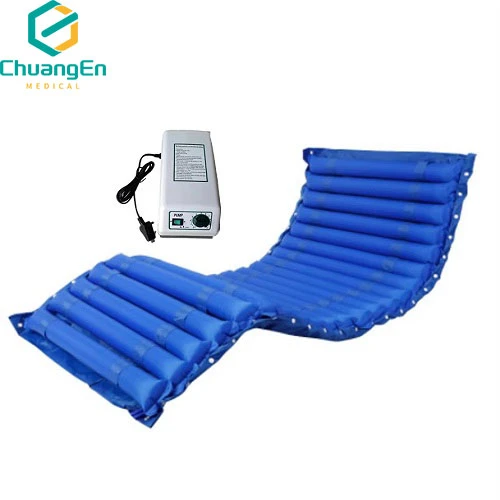
Put simply, an alternating pressure hospital bed mattress consists of interconnected air cells managed by a pump system that inflates and deflates alternately in cycles. This dynamic shifting of pressure zones mimics natural movement and encourages blood flow, preventing tissue damage. The idea sounds straightforward, yet it speaks volumes about how technology meets empathy in healthcare. In modern contexts, these mattresses address not only clinical needs but also humanitarian crises where traditional equipment is scarce but care standards cannot be compromised.
Key Components That Make These Mattresses Work Well
Durability and Material Quality
Many manufacturers opt for medical-grade polyurethane or nylon with waterproof coatings—materials resistant to wear, fluids, and bacterial colonization. Longevity matters because a mattress that tears or malfunctions can be worse than useless in a clinical context.
Pressure Cycling Technology
The heart of the mattress is its compressor and control unit, dictating cycle duration and inflation levels. Advances here range from manual controls to smart, automated systems adjusting to patient weight and shifting conditions.
Ease of Cleaning and Infection Control
Removable, wipeable surfaces with antimicrobial fabrics are increasingly standard to protect vulnerable patients and facilitate hospital sanitation protocols.
Customization & Scalability
Modular designs allow a mattress to be adjusted in firmness or size, fitting various hospital beds or even portable setups, crucial in humanitarian logistics or variable hospital wards.
Cost Efficiency
Balance between upfront costs and maintenance is vital. High-end models might cost more but reduce costly complications long-term; budget models provide broad access, yet might trade some durability.
Mini takeaway: In essence, a great alternating pressure mattress balances materials, tech, and adaptability — each aspect working together to truly improve patient outcomes.
Global Applications & Real-World Use Cases
From advanced hospitals in the US and Europe to rural clinics in Southeast Asia, alternating pressure mattresses find crucial roles. For example:
- In post-disaster relief operations, these mattresses help immobilized trauma patients while healthcare workers juggle limited resources.
- Remote industrial zones employ them to care for long-term injury patients where evacuation is slow.
- Gerontology wards across Japan rely on these mattresses to support their aging populations, reducing bedsores that cause serious downstream health issues.
- Home care providers increasingly recommend alternating pressure mattresses for at-risk patients to enable comfortable recovery without hospitalization.
Advantages & Long-Term Value You Might Overlook
The clinical benefit is clear, but other advantages add up:
- Cost savings: Fewer pressure ulcers mean less treatment complexity, shorter hospital stays, and reduced legal liability.
- Sustainability: Modern mattresses are designed to be energy-efficient and easy to recycle, a nod to hospital green initiatives.
- Patient dignity and comfort: Comfort translates to better mental well-being, crucial for holistic recovery.
- Medical staff trust: Reliable equipment frees nurses and caregivers to focus on attentive care rather than emergency patching.
Product Specification Table
| Feature | Typical Spec | Benefit |
|---|---|---|
| Air Cell Material | Medical Grade Polyurethane | Durable, waterproof, hypoallergenic |
| Cycle Time | 8 - 12 minutes per inflation/deflation | Optimal pressure redistribution |
| Weight Capacity | Up to 300 kg (660 lbs) | Suitable for most patients |
| Pump Noise Level | Quiet operation for patient comfort | |
| Cover | Waterproof, antimicrobial fabric | Easy cleaning and infection prevention |
Vendor Comparison: Choosing the Right mattress partner
| Vendor | Price Range | Warranty | Customization | Global Shipping |
|---|---|---|---|---|
| ChuangEn Medical | $$$ | 3 years | Full (sizes & pump settings) | Yes |
| MediCare Solutions | $$ | 2 years | Limited | Regional only |
| GlobalCare Tech | $$$$ | 5 years | Extensive | Yes |
Future Trends & Innovations on the Horizon
Recently, I noticed quite a buzz about integrating sensors and IoT tech into these mattresses. Imagine a system that not only constantly optimizes pressure cycling based on patient vitals but also alerts caregivers remotely if issues emerge. Green energy drives smaller, quieter pumps powered by efficient batteries or solar options, especially useful in places with intermittent grid power. And honestly, the push to use biodegradable materials for components is picking up pace — because sustainability in healthcare is not just an afterthought anymore, it’s becoming a mandate.
Challenges We Still Face (And How We’re Fixing Them)
Sure, alternating pressure mattresses are fantastic — but they’re not perfect. One challenge is cost, especially for resource-strapped clinics. Some models also have durability issues when used intensively or in harsh environments. But innovative engineering and modular designs are helping overcome these hurdles. Additionally, training hospital staff to use these mattresses effectively is crucial. Many engineers say simple, intuitive controls can make a big difference in adoption rates. Vendors like ChuangEn Medical are pioneering these solutions.
FAQs About Alternating Pressure Hospital Bed Mattress
1. How do alternating pressure mattresses prevent bedsores?
By cyclically inflating and deflating air cells, the mattress redistributes pressure across different body areas, helping maintain healthy blood flow and preventing prolonged pressure that causes ulcer formation.
2. Are these mattresses suitable for all patients?
Generally yes, but suitability depends on patient weight, condition, and clinical assessment. Many models can adjust pressure levels and cycle times to cater to various needs.
3. How often should the mattress covers be cleaned or replaced?
Covers should be cleaned regularly following hospital infection control protocols, often daily or between patients. Many are removable and washable; replacement depends on wear and tear.
4. Can these mattresses be used outside hospitals?
Absolutely. Home care settings, field hospitals, and disaster relief use them to improve patient comfort where traditional beds may be unavailable or inadequate.
5. What maintenance is required for the pump systems?
Routine checks for air leaks, filter cleaning, and ensuring unobstructed airflow are essential. Depending on the model, some components may need yearly servicing or replacement.
In Conclusion: Why Investing in the Right Mattress Matters
Choosing an alternating pressure hospital bed mattress is more than just ticking a box on patient care checklists. It’s about embracing innovation that safeguards health, nurtures dignity, and eases caregiving burdens — day in, day out. Whether it’s for a high-end hospital or a remote care center, the right mattress is practically a silent partner in recovery. So, if you’re sourcing or upgrading your mattress solutions, consider trusted vendors like ChuangEn Medical for their proven reliability and customization. After all, better care starts with the little things beneath us.
That said, this tech is evolving quickly. Keep an eye on the latest models and innovations because what seems “standard” now might feel obsolete in just a few years. But for now, the alternating pressure hospital bed mattress remains a cornerstone in patient-centered healthcare worldwide.