Understanding the Alternating Pressure Mattress & Pump System: Why It Matters Worldwide
If you’ve ever been hospitalized or cared for someone bedridden, you might have noticed those quietly humming bedside machines paired with specialized mattresses. Those are alternating pressure mattress & pump systems, and despite being somewhat unsung heroes in patient care, they play a crucial role in preventing pressure ulcers (bedsores) — a pervasive concern in health care worldwide. Globally, millions suffer from pressure injuries, especially among the elderly, disabled, and long-term care patients. Beyond hospitals, these systems find relevance in humanitarian relief contexts and home nursing alike. Why does this matter? Well, an alternating pressure mattress & pump system isn’t just about comfort — it’s about dignity, safety, and often, reducing costly hospital stays. Understanding how they work, their applications, and future trends can help healthcare providers, NGOs, and even patients make informed choices that ripple into improved recovery outcomes and quality of life. ---Global Context: A Growing Need for Better Pressure Care
Pressure ulcers affect roughly 10% of hospital patients worldwide, according to the World Health Organization. As the global population ages, with the UN projecting over 1.5 billion people aged 65+ by 2050, the demand for effective pressure relief solutions is only rising. Developed and developing regions alike face challenges: in some areas, lack of resources hampers proper care, while others grapple with increasing healthcare costs. Additionally, post-disaster zones like earthquake-affected regions or refugee camps see a surge in vulnerable individuals requiring long-term rest — further pushing alternating pressure mattress & pump system needs. These devices address a universal problem: prolonged pressure that cuts off blood flow, leading to tissue damage. And despite advances in medical care, managing that pressure remains a frontline challenge. ---What Exactly Is an Alternating Pressure Mattress & Pump System?
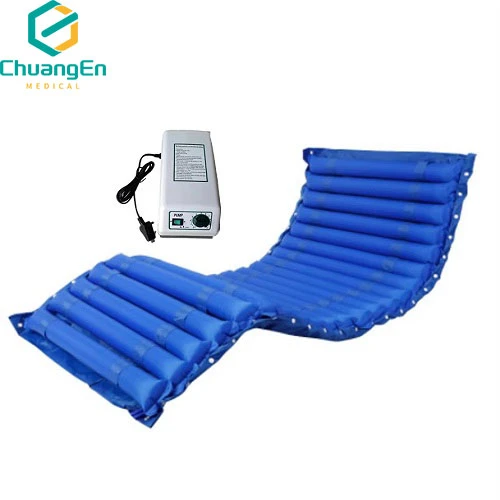
Put simply, it’s a specialized mattress connected to a pump that inflates and deflates air cells alternately, shifting pressure points underneath the patient. This dynamic action prevents continuous pressure in one spot, thus allowing blood flow to reach skin and muscles, which reduces the risk of ulcers. From a technical angle, these systems usually consist of interconnected air bladders laid out along the mattress and a programmable pump that cycles air in distinct intervals. Some models incorporate pressure sensors or alarms to notify caregivers if settings need adjustment. They’re a high-tech evolution from static foam pads and traditional hospital beds. In humanitarian or industrial terms, these systems help maintain health for people in settings where mobility is limited, whether that’s a nursing home in Scandinavia or a remote mining camp in Chile. The link between these mattresses and reliable pump technology makes all the difference. ---Core Components and Design Considerations
1. Mattress Material and Durability
Most alternating pressure mattresses are made of waterproof, flame-retardant nylon or PVC-coated fabric, designed to withstand humidity and lengthy use without losing elasticity. Durability matters a lot, because these mattresses often see heavy-duty use in clinical settings or harsh environments.2. Pump Performance and Noise Level
The pump’s ability to cycle air quietly is essential. You don’t want a noisy device disturbing patients or clinic wards. Modern pumps often feature variable cycle times, pressure settings, and even backup batteries for power outages.3. User Customization
Settings tunable by weight, body shape, or patient condition make the system flexible. Some advanced units include digital interfaces for caregivers to customize therapy — from soft settings for sensitive skin to firmer cycles when needed.4. Portability and Weight
For disaster relief or home use, portability becomes a factor. Some systems fold compactly or come with carrying cases, which helps NGOs or caregivers deploying in field scenarios.5. Hygiene and Cleanability
Removable covers and mattress surfaces that tolerate disinfectants are crucial — because infections can spread easily in hospital environments. This practical aspect often gets overlooked but is vital. ---Mini Takeaway:
The heart of an alternating pressure mattress & pump system lies in the balance between effective pressure relief, patient comfort, durability, and adaptability — a subtle dance of engineering and care. ---How These Systems Are Used Worldwide
Across continents, alternating pressure mattress & pump systems show up in hospitals, nursing homes, and home care settings — but also in less obvious places. In Europe and North America, they are standard equipment for long-term care facilities managing seniors with limited mobility. Meanwhile, in Asia, NGOs deploying alternating pressure mattress & pump system setups are helping injured victims in remote mountainous areas where transport to hospitals is slow. In disaster relief — say, earthquake aftermaths in Nepal or flooding zones in Bangladesh — portable systems allow medical teams to provide pressure care when infrastructure is strained. Likewise, industrial camps in harsh climates rely on them to support workers with injuries or prolonged bed rest. One interesting case comes from a charity working in Sub-Saharan Africa, which adapted the pump system to solar power given unreliable electricity — a neat innovation that blends technology with local realities. ---Advantages & Long-Term Impact
The benefits are tangible: - Cost savings: Preventing pressure ulcers saves billions annually in healthcare. Fewer wounds mean less treatment, shorter stays, and lower medication use. - Sustainability: Advanced systems use durable materials and energy-efficient pumps, contributing to long-term environmental goals. - Patient dignity: Painful ulcers severely reduce quality of life. These mattresses help maintain skin integrity, offering comfort and preserving patient dignity. - Reliability: Quality pumps often have alarms and fail-safes, increasing caregiver confidence. - Social impact: Governments and NGOs distributing these systems show a commitment to vulnerable populations, promoting trust and social equity. ---Future Trends in Alternating Pressure Mattress & Pump Systems
Innovation doesn’t sleep here. Emerging models integrate smart sensors that adjust pressure zones automatically based on patient movement, body temperature, or moisture. The Internet of Medical Things (IoMT) leads to pumps linked to hospital networks, allowing remote monitoring. Green energy plays a role too. Solar-powered or low-energy pumps reduce reliance on grid electricity — not just environmentally smarter but also more reliable for remote use. Materials science advances bring antimicrobial fabrics and longer-lasting, lightweight components. Automation might even extend to self-monitoring mattresses that alert caregivers before problems arise — sort of like skin "guardians" embedded in the mattress surface. ---Challenges and How the Industry Addresses Them
Of course, challenges remain. Some systems can be costly upfront, leaving smaller clinics or NGOs priced out. Battery life and pump noise occasionally frustrate users. Cleaning intricate mattress surfaces is tricky. Experts suggest modular designs for easier component replacement and encourage rigorous testing per ISO 14971 (Medical Devices Risk Management) standards for reliability and safety. Additionally, training caregivers in correct setup ensures the systems deliver on their promise. Online tutorials, certification programs, and field training all help. ---FAQ About Alternating Pressure Mattress & Pump Systems
Q1: How often should the pump cycle air in an alternating pressure mattress?A1: Typically, pumps cycle every 7 to 12 minutes, but the exact timing can vary based on patient needs and manufacturer settings. The idea is to relieve pressure without causing discomfort. Q2: Can these mattress systems be used for home care?
A2: Absolutely. Many models are designed for portability and ease of use, making them suitable for home patients requiring long-term pressure relief. Q3: Are alternating pressure mattresses waterproof?
A3: Most feature waterproof, wipeable covers and mattress surfaces to prevent fluid ingress and facilitate cleaning. Q4: How long do these mattress & pump systems typically last?
A4: With proper maintenance, many systems last 3 to 5 years, though durable models can go beyond that depending on usage. Q5: Is it difficult to clean the mattress and pump?
A5: Cleaning is usually straightforward with removable, waterproof covers and wipeable surfaces, but regular maintenance and following manufacturer guidelines are essential. ---
Product Specification Table
| Specification | Typical Range | Notes |
|---|---|---|
| Pump Cycle Time | 7–12 minutes | Adjustable to patient needs |
| Material | PVC / Nylon coated fabric | Waterproof & fire retardant |
| Weight Capacity | Up to 200 kg (440 lbs) | Varies by model |
| Pump Noise Level | Quiet operation | |
| Portability | Yes (some models) | Included carrying cases |
| Power Source | AC / Battery (optional solar) | Backup power for emergencies |
Vendor Comparison: Leading Alternating Pressure System Providers
| Vendor | Price Range (USD) | Features | Warranty | Suitable For |
|---|---|---|---|---|
| ChuangEn Medical | $800 – $1,200 | Solar options, lightweight, digital controls | 3 years | Hospitals, NGOs, home care |
| Medline Industries | $900 – $1,500 | Extensive customization, low noise pump | 2 years | Hospitals, LTC |
| Drive DeVilbiss | $750 – $1,100 | Affordable, easy setup, portable models | 1.5 years | Homecare, clinics |