The Growing Importance of Alternating Pressure Air Mattresses in Global Healthcare
Pressure ulcers — also known as bedsores — remain a significant challenge for healthcare providers and caregivers worldwide. These injuries result from prolonged pressure on the skin, commonly affecting immobile or bedridden patients. Oddly enough, despite advances in medicine, pressure ulcers continue to cause discomfort, infections, and even prolonged hospital stays.
This is where alternating pressure air mattresses as prevention for pressure ulcers step in. They’re often a quiet hero in hospitals and care facilities, designed to relieve pressure points by alternating which parts of the body bear weight. It’s a deceptively simple concept but incredibly effective.
Understanding these mattresses is crucial globally because with growing elderly populations and chronic disease prevalence, pressure ulcers are a rising concern. According to the World Health Organization, pressure ulcers affect approximately 10% of hospitalized patients worldwide, costing billions in healthcare resources and human suffering.
What Exactly Are Alternating Pressure Air Mattresses?
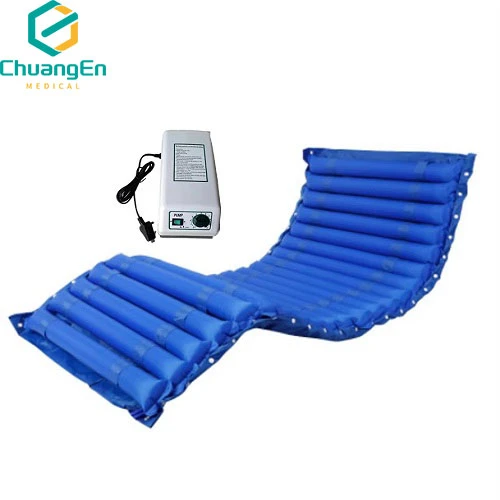
In simplest terms, an alternating pressure air mattress is a specialized medical mattress that automatically inflates and deflates different air cells in cycles. This process helps distribute pressure more evenly, reducing the risk of skin breakdown.
Imagine lying on a surface that subtly shifts its firmness and support without you even noticing — that’s the idea. Instead of static pressure on delicate skin areas, these mattresses dynamically redistribute weight.
In modern healthcare, especially long-term care, these mattresses align with patient dignity and comfort goals, reflecting a broader shift towards preventative care. This technology addresses both medical needs and humanitarian issues like improving quality of life for elderly and immobile patients.
Core Components Behind Their Effectiveness
1. Dynamic Pressure Redistribution
Alternating air cells inflate and deflate typically every 7 to 10 minutes. This cycle mimics natural body shifts, which many patients cannot do themselves, especially if paralyzed or sedated.
2. Adjustable Firmness Settings
Most mattresses come with adjustable controls, allowing caregivers to modify pressure levels based on patient weight, sensitivity, or medical condition. In critical cases, even slight pressure differences matter.
3. Durable, Waterproof Covers
Since these mattresses are often used in medical contexts with high hygiene standards, their covers are usually made of waterproof, antimicrobial materials, easy to clean and resistant to bodily fluids.
4. Portability and Scalability
High-quality models are designed to be lightweight and easily transportable — a particularly useful trait in post-disaster medical camps or mobile clinics.
5. Energy Efficiency
Modern alternating pressure air mattresses incorporate low-power pumps that help hospitals reduce energy consumption and associated costs, a fine balance between reliability and sustainability.
Where in the World Are These Mattresses Making a Difference?
They’ve found their way into diverse settings:
- Hospitals and Nursing Homes: For post-operative care and long-term immobilized patients.
- Home Healthcare: Enabling elderly or disabled individuals to remain at home safely.
- Disaster Relief and Humanitarian Aid: Mobile units in areas with shortages of hospital beds.
- Military and Remote Industrial Settings: Field hospitals and camps.
For example, in the wake of natural disasters, alternating pressure mattresses have proven essential in temporary medical shelters where prolonged patient immobility occurs but infrastructure is sparse.
Regions like Europe, North America, and increasingly parts of Asia-Pacific have adopted these as standard in elder care. Meanwhile, NGOs delivering field hospital setups rely on their portability and reliable infection control.
Product Specifications at a Glance
| Feature | Typical Value | Notes |
|---|---|---|
| Air Cell Count | 130-140 cells | Ensures full body coverage |
| Cycle Time | 7-10 minutes per cycle | Adjustable timing for patient needs |
| Weight Capacity | Up to 350 lbs (160 kg) | Supports a wide patient range |
| Pump Noise Level | Quieter for patient comfort | |
| Material | Medical-grade PVC & TPU | Durable and easy to disinfect |
Choosing the Right Vendor: A Quick Comparison
| Vendor | Product Range | Warranty | Unique Selling Point | Price Range |
|---|---|---|---|---|
| Chuangen Medical | Standard & Deluxe Models | 2 years | Customizable cycles & weight support | $$$ |
| MedAir Solutions | Basic Beds Only | 1 year | Budget-friendly options | $ |
| SafeRest Technologies | Advanced Smart Mattresses | 3 years | Integrated pressure monitoring sensors | $$$$ |
Why These Mattresses Deliver Lasting Value
It’s not just about technology. In real terms, alternating pressure air mattresses save lives, reduce hospital stays, and diminish suffering. Patients feel safer and more comfortable, while healthcare providers cut down on costly wound care and complications.
From a sustainability perspective, durable materials and low energy pumps align with greener healthcare initiatives. Plus, a patient’s dignity and quality of life — the emotional side — are immeasurable benefits.
Looking Ahead: Innovations on the Horizon
The future is promising. New materials like antimicrobial, self-healing textiles, and low-noise, energy-efficient pumps are emerging. Digital integration through IoT-based sensors to alert caregivers about pressure risks before sores develop is beginning to surface in prototypes.
Oddly enough, some brands are exploring solar-powered systems for off-grid use, which could massively benefit remote or disaster-stricken regions.
Facing Challenges and How Providers Are Solving Them
Of course, no solution is perfect. Some issues include initial cost barriers, learning curves for staff, and occasional pump noise. However, training programs and improved product design are steadily dealing with these challenges.
For example, newer models have quieter, longer-lasting pumps. More modular mattress designs simplify repairs. And integration into electronic patient records is making monitoring and maintenance easier.
FAQ: Your Common Questions About Alternating Pressure Air Mattresses
Q: How do alternating pressure air mattresses differ from standard hospital mattresses?
A: Unlike static mattresses, alternating pressure mats automatically change air pressure within cells to shift weight distribution. This reduces continuous pressure on one body part, which is crucial for preventing pressure ulcers especially in high-risk patients.
Q: Are these mattresses suitable for home use?
A: Absolutely. Many models are designed with portability and ease of use in mind, providing caregivers at home an effective way to prevent sores without hospital-grade equipment complexity.
Q: What should I look for when choosing one?
A: Key factors include adjustable cycle times, weight capacity, noise levels, and easy cleaning surfaces. Warranty and customer support also matter, as breaking down in critical care situations can be problematic.
Q: Can these mattresses be used for all patients?
A: Generally, yes, but specialized clinical advice is recommended for certain conditions. Some patients with very fragile skin or unique medical issues may require particular models or settings.
Q: What is the typical lifespan of an alternating pressure air mattress?
A: With proper maintenance, they typically last 3–5 years. Covers and pumps may need periodic replacement depending on usage intensity.
Wrapping It Up: A Vital Tool for Patient Care Today and Tomorrow
Alternating pressure air mattresses are no longer optional luxury; they’re vital in modern healthcare’s quest for better prevention and improved patient dignity. They reduce suffering, lower costs, and fit both high-tech hospitals and remote field setups.
Curious to explore high-quality options and tailored solutions? Visit Chuangen Medical to learn more about how these innovative mattresses can enhance care in your facility or at home.
References: