What Exactly Is an Alternating Overlay Mattress and Why It Matters Worldwide
When you hear the term alternating overlay mattress, it might sound a bit clinical, or even like some high-tech gadget. But, in essence, it’s one of the unsung heroes in healthcare and humanitarian sectors across the globe. These mattresses aren’t just fancy beds; they play a critical role in preventing pressure ulcers — a serious concern in hospitals and long-term care facilities.
Pressure ulcers or bedsores are not only painful but also lead to extended hospital stays and higher treatment costs. Globally, the World Health Organization estimates millions of patients suffer from them annually, particularly those who can’t change position independently, like the elderly or immobilized patients. An alternating overlay mattress helps address this by gently redistributing pressure, promoting circulation, and improving patient comfort. Understanding how these mattresses work, who needs them, and their benefits is key not just for the healthcare sector but also for emergency relief operations, elderly care, and even home healthcare.
Mini takeaway: Alternating overlay mattresses are essential to reduce pressure ulcer risks — a global health challenge affecting millions.
The Global Context: Why Alternating Overlay Mattresses Are More Critical Than Ever
According to recent data from the United Nations and the International Organization for Standardization (ISO), populations worldwide are aging rapidly, and chronic diseases requiring long-term immobility are on the rise. In fact, the UN projects that by 2050, people aged 60 and above will double from 1 billion to 2 billion globally — many of whom will require specialized care at home or in facilities.
Meanwhile, reports from WHO emphasize that healthcare-associated infections and complications like pressure ulcers significantly increase the medical and economic burden in both developing and developed countries. Here’s the rub: not every medical center or disaster relief clinic—especially in resource-limited settings—can afford complex and expensive pressure-relieving mattresses.
Enter the alternating overlay mattress — a practical, cost-effective solution that’s gaining traction beyond hospitals. In refugee camps, disaster zones, and eldercare, their ability to promote skin integrity and patient wellbeing is indispensable. Long story short, with vulnerable populations growing, the demand for these mattresses isn’t just a niche but a global imperative.
Mini takeaway: Demographic shifts and healthcare challenges worldwide make alternating overlay mattresses increasingly vital for patient care everywhere.
What Exactly Is an Alternating Overlay Mattress?
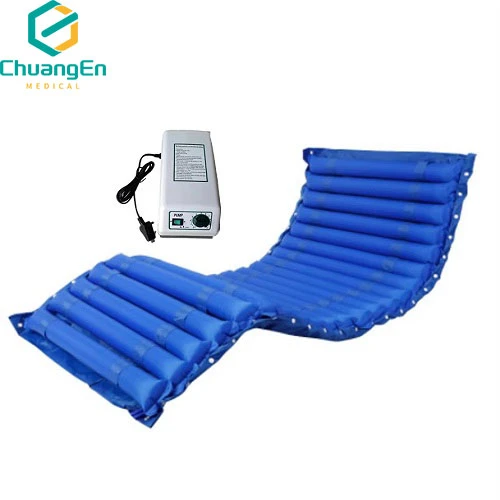
Simply put, an alternating overlay mattress is a type of pressure management device designed to reduce the force on specific parts of the body by alternating pressure points. Unlike static foam mattresses, this kind uses air cells or interconnected bladders that inflate and deflate sequentially in cycles, shifting the pressure around.
The “overlay” part refers to its design: it lies over a standard mattress, transforming it into a dynamic surface without replacing it entirely. This setup is especially helpful in hospitals and home care because it’s easy to install and cost-efficient.
Oddly enough, these aren’t just products of modern standardization — they represent an evolution in patient-centered design driven by clinical research, ergonomic insights, and even materials science advancements.
Alternating overlay mattress technology addresses a practical challenge: how to keep fragile skin healthy, even when movement is limited or impossible.
Core Components That Make Alternating Overlay Mattresses Work
1. Air Cell Design
This is the heart of the system. Multiple air cells alternate inflation and deflation to redistribute pressure evenly. The durability and responsiveness of these cells — usually made from PVC or polyurethane — greatly affect performance and lifespan.
2. Control Unit
An electric pump controls the inflation cycles, with adjustable pressure settings tailored to different patient weights and clinical requirements. Some units even offer digital interfaces for monitoring and alarms.
3. Overlay Material
The cover material must be breathable, waterproof, and easy to clean — often a polyurethane-coated nylon or polyester fabric. It’s critical in preventing moisture buildup and skin maceration.
4. Weight Capacity & Size
Mattresses come in various sizes to fit hospital beds, with typical weight capacities around 300–450 lbs. Proper fit ensures the mattress functions correctly and offers the necessary support.
5. Portability and Power Backup
For field and home care use, lightweight and battery backup options are desirable features, increasing accessibility to places without a constant power supply.
Product Specification Table
| Feature | Specification |
|---|---|
| Dimensions | 36" W x 80" L x 4" H (standard single) |
| Weight Capacity | Up to 450 lbs |
| Inflation Cycle | 10-minute alternating cycles |
| Control Unit Power | 110V AC with 12-hour battery backup |
| Cover Material | Polyurethane-coated nylon, waterproof & breathable |
Mini takeaway: Understanding the core components highlights why these mattresses combine comfort, function, and practicality in healthcare.
Where Do These Mattresses Actually Get Used? Real-World Impact
In hospitals, alternating overlay mattresses are a frontline defense against pressure ulcers, especially in ICU and post-operative wards. But their reach goes way beyond sterile clinical settings. I once came across a report on field operations in Southeast Asia — disaster relief teams had deployed these mattresses in refugee centers to protect vulnerable displaced elders and injured survivors. The soft, shifting support helped reduce infection risks at a critical time.
Long-term care facilities in Europe and North America have also noted lower rates of bedsores when incorporating alternating overlay mattresses into their care plans. In home care, families of immobile patients praise their portability and ease of use — making quality care accessible even outside institutional walls.
In harsh, remote environments like mining camps or offshore platforms, these mattresses help workers who suffer long immobilization due to injury. So, the reach is pretty broad — from urban hospitals to tiny field clinics.
Vendor Comparison: Popular Alternating Overlay Mattress Manufacturers
| Vendor | Price Range | Warranty | Special Features | Best For |
|---|---|---|---|---|
| ChuangEn Medical | $500 - $650 | 2 years | Battery backup, lightweight, easy control panel | Hospitals, field use, home care |
| MedLine | $700 - $900 | 3 years | Advanced digital pressure monitoring | Hospitals, rehab centers |
| Drive DeVilbiss | $600 - $800 | 2 years | Quiet pump operation, easy maintenance | Home care, LTC facilities |
Advantages & Lasting Value of Using Alternating Overlay Mattresses
- Cost efficiency: Overlay mattresses generally cost less than full specialty beds yet deliver clinically proven benefits.
- Sustainability: Durable materials and easy maintenance reduce waste and replacement frequency.
- Patient Dignity: Providing comfort and preventing painful wounds enhances emotional wellbeing, something often overlooked.
- Ease of Use: Simple installation and monitoring allow caregivers to focus more on personalized care.
- Scalability: Suitable in large hospitals and makeshift clinics alike.
All of these factors combined build trust between patients, families, and caregivers — a subtle but powerful societal impact.
Future Trends & Innovations Shaping Alternating Overlay Mattresses
Looking ahead, mattress manufacturers are increasingly integrating smart technology — sensors embedded to track pressure points, humidity, and patient movement in real time. This digital transformation helps customize therapies faster and more effectively.
Additionally, sustainability is becoming a buzzword, with development into biodegradable materials and energy-efficient pumps reducing environmental footprints. Some companies are exploring solar-powered control units for off-grid use, which could be a game-changer for remote clinics.
Material science is also key — newer polymers that improve both air retention and flame resistance without toxic chemicals are in the pipeline.
Challenges and How Experts Are Overcoming Them
Of course, no product is perfect. Alternating overlay mattresses can be noisy, especially older pumps, leading to disturbed patient sleep. Also, there’s the issue of power dependency, which gets complicated in places with intermittent electricity.
Innovation is tackling these head-on. Quiet pump designs and silent motors are becoming industry standards. Meanwhile, built-in UPS (uninterruptible power supplies) and lithium-ion battery packs extend uptime dramatically.
Plus, training caregivers to properly set and maintain the devices remains critical, as misuse can reduce efficacy. Organizations like the International Standards Organization and various healthcare bodies are publishing guidelines to standardize usage globally.
FAQs About Alternating Overlay Mattresses
- How does an alternating overlay mattress prevent bedsores?
- It works by cycling inflation across different air cells, redistributing pressure from one area of the body to another. This helps maintain blood circulation and prevents skin breakdown over time.
- Can these mattresses be used at home, or only in hospitals?
- They’re very suitable for home care due to their portability and simple setup. Many manufacturers include battery backups and lightweight designs to support mobile patients or in-home caregivers.
- Are alternating overlay mattresses durable enough for heavy patients?
- Most come rated for up to 450 lbs, with some specialty models designed for higher weights. Checking the vendor’s specifications before purchase is advisable.
- What maintenance do these mattresses require?
- Regular cleaning of the cover, inspection for leaks in air cells, and pump maintenance are critical. Most come with recommended service schedules and replacement parts.
- Do they require electricity all the time?
- Yes, but many models include battery backups ranging from several hours up to a full day, especially useful during power outages or transport.
Wrapping It Up: Why Alternating Overlay Mattresses Are a Smart Investment
In real terms, an alternating overlay mattress isn’t just a medical device — it’s a lifeline that can improve quality of life, reduce complications, and help healthcare providers deliver better care. Whether it’s a large hospital in New York, a refugee camp in Asia, or a private home in rural Australia, these mattresses adapt to different settings and deliver consistent benefits.
Interested in exploring top-of-the-line solutions? Visit ChuangEn Medical’s alternating overlay mattress page for detailed specs, customization options, and expert support.
Mini takeaway: Combining cost, comfort, and tech innovations, alternating overlay mattresses are an indispensable tool for modern healthcare and beyond.