Understanding Air Beds for Medical Use: Why They Matter Worldwide
Air beds for medical use have quietly revolutionized patient care facilities across the globe. At a glance, they might seem like just another comfort device — a mattress filled with air to ease bedsores or improve patient positioning. But dig a little deeper, and you realize their impact spans healthcare settings from high-tech hospitals in Europe to makeshift field clinics in disaster zones. The ability to prevent pressure ulcers, aid mobility, and reduce caregiver strain is a game-changer. Plus, in an increasingly aging global population, solutions like these become more than luxury—they're essential.
With more than 130 million people worldwide needing long-term care [1], having efficient, reliable medical air beds isn't just helpful; it's a global health priority. Let’s explore why.
The Global Context: Why Air Beds for Medical Use Are Vital
According to the World Health Organization and UN data, chronic diseases and mobility limitations are on the rise, especially in aging populations. Pressure ulcers—those dreaded “bedsores”—affect up to 27% of hospital patients globally [2]. This creates a pressing need for innovative solutions that are scalable and effective.
Enter medical air beds. These devices weave into the narrative of modern healthcare because they tackle this challenge head-on: mitigating pressure-related tissue damage by redistributing weight and promoting circulation. They’re also portable in many cases, allowing for use beyond typical hospital walls — in disaster response, field hospitals, and even home care, addressing numerous challenges with a single solution.
What Exactly Is an Air Bed for Medical Use?
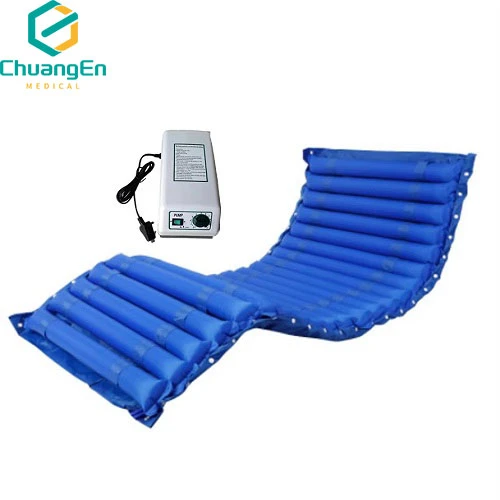
Simply put, an air bed for medical use is a specialized mattress system that uses air-filled chambers (or cells) to support patients. Unlike standard mattresses, these use alternating pressure, low air loss, or constant low pressure mechanisms to optimize comfort and health.
They help reduce pressure points on the body, maintaining skin integrity for patients who spend extended time immobile. This technology is closely tied to the evolution of patient-centered healthcare, aiming to reduce complications and enhance recovery.
While traditional hospital beds incorporate rigid foam, an air bed’s ability to dynamically adjust pressure levels means better patient outcomes. This is especially crucial in intensive care, long-term care, and rehabilitation centers.
Core Components of Medical Air Beds
1. Durability and Material Quality
Medical air beds need to withstand constant pressure variations and potential punctures. High-grade polyurethane or vinyl is common, designed to be hypoallergenic and easy to clean, meeting infection control standards worldwide.
2. Pressure Redistribution Technology
Many models use alternating pressure cycles, where different air cells inflate and deflate periodically to keep blood flowing and prevent skin breakdown — almost like a gentle massage.
3. Scalability and Portability
From ICU wards to remote aid camps, these beds come in modular designs. Some are lightweight and foldable, making them ideal for rapid deployment in emergencies.
4. User Interface and Controls
Modern air beds often feature intuitive electronic controls allowing caregivers to customize settings according to patient needs, sometimes integrating with hospital management systems.
5. Cost Efficiency and Maintenance
While initial costs can be higher than foam mattresses, the reduction in treatment of pressure ulcers and hospital stay times often balances the investment. Maintenance is usually straightforward but critical for sustained performance.
Global Applications and Use Cases
These beds are everywhere you might not expect but really need them:
- Post-Disaster Relief: In areas struck by earthquakes or floods, quickly deployable air beds provide patient comfort when infrastructure is down.
- Long-Term Care Facilities: Nursing homes across Europe, North America, and Asia rely on them to improve quality of life for elderly residents.
- Military Field Hospitals: Portable air beds help treat wounded soldiers where traditional beds aren’t available.
- Home Care Environments: Patients with chronic illnesses or disabilities can benefit from these beds, reducing pressure sore risk.
For example, after the 2015 Nepal earthquake, aid organizations used air beds for medical use extensively to support survivors and injured in temporary hospitals. Similarly, NGOs in Africa incorporate them into mobile clinics to bring quality care to remote areas.
Advantages and Long-Term Value
The pros stack up nicely:
- Cost savings: Fewer pressure ulcers mean less expensive treatments and shorter hospital stays.
- Sustainability: Many models use recyclable materials and can be maintained for years, reducing landfill waste.
- Patient dignity and safety: Comfort and skin health are prioritized, which emotionally supports patients.
- Innovation: Integration with smart monitoring tools offers real-time health data to caregivers, improving care.
Overall, investing in medical air beds reflects a healthcare system’s commitment to cutting-edge solutions and compassionate care.
Product Specifications: Typical Medical Air Bed
| Feature | Specification |
|---|---|
| Dimensions | 84" x 36" x 8" |
| Weight Capacity | Up to 350 lbs (160 kg) |
| Pressure Adjustment | Alternating pressure cycles, manual and automatic modes |
| Material | Medical-grade vinyl with anti-microbial coating |
| Power Source | Electric pump (110-240V), battery backup optional |
| User Controls | Digital panel with customizable settings |
Vendor Comparison at a Glance
| Vendor | Product Line | Price Range | Special Features |
|---|---|---|---|
| ChuangEn Medical | Advanced Alternating Pressure Air Beds | $700 - $1,200 | Battery backup, antimicrobial cover |
| MedBed Corp | Low Air Loss Mattresses | $850 - $1,300 | Integrated moisture control, mobile app controls |
| HealComfort Ltd | Foam-Air Hybrid Mattresses | $600 - $900 | Lightweight, easy to clean, budget-friendly |
Looking Ahead: Innovations and Trends
Oddly enough, air beds for medical use are just beginning to catch the wave of digital health transformation. Think IoT-enabled mattresses capturing patient movement, wireless pressure sensors, even AI algorithms adjusting air pressure for optimal patient comfort without manual intervention.
Eco-friendly materials are becoming a bigger focus too — recyclable polymers and biodegradable covers reduce environmental footprints in healthcare. There's also growing interest in beds powered by renewable energy and featuring autonomous air pumps, lowering reliance on hospital power grids.
Addressing Challenges and Solutions
As with any tech, air beds face hurdles. Inflation noise can disturb patients. Some air pumps are heavy or consume significant power. Then there's training caregivers on optimal usage to truly reap benefits.
Manufacturers are innovating to make pumps quieter, lighter, and more energy-efficient. Training modules and user-friendly designs help caregivers fine-tune pressure settings, tailoring support for individuals in everyday routine, not just in emergencies.
Frequently Asked Questions
- How do air beds for medical use prevent pressure ulcers?
- They redistribute pressure by alternating inflation of air cells, improving blood flow and reducing skin breakdown risks in immobile patients.
- Can these air beds be used outside of hospital settings?
- Absolutely! Many are designed to be portable and lightweight to facilitate use in home care, disaster relief, and field hospitals.
- Are there maintenance requirements?
- Regularly check for leaks, clean surfaces with recommended disinfectants, and inspect pump functionality to ensure consistent performance.
- What factors should I consider when choosing a medical air bed?
- Consider patient weight, required pressure cycles, portability, ease of use, and budget. Also evaluate material quality and warranty options.
- Where can I find reliable air beds for medical use?
- Trusted vendors like air bed for medical use suppliers offer certified, tested products suited for diverse needs.
Final Thoughts
In the broad canvas of modern healthcare, medical air beds stand out as quietly pivotal. They blend science, comfort, and practical ingenuity — all in the service of better patient care. Whether in a quiet hospital ward or a bustling disaster zone tent, their importance can’t be overstated.
If you’re looking into innovative, reliable solutions for patient comfort and safety, exploring options like the air bed for medical use is a smart first step.
References:
1. World Health Organization – Ageing and health: who.int
2. NCBI article on Pressure Ulcers: ncbi.nlm.nih.gov
3. United Nations, Sustainable Development Goals, Health: sdgs.un.org