Field Notes on Modern Mobility: CS-02 Stretchable Elbow crutches
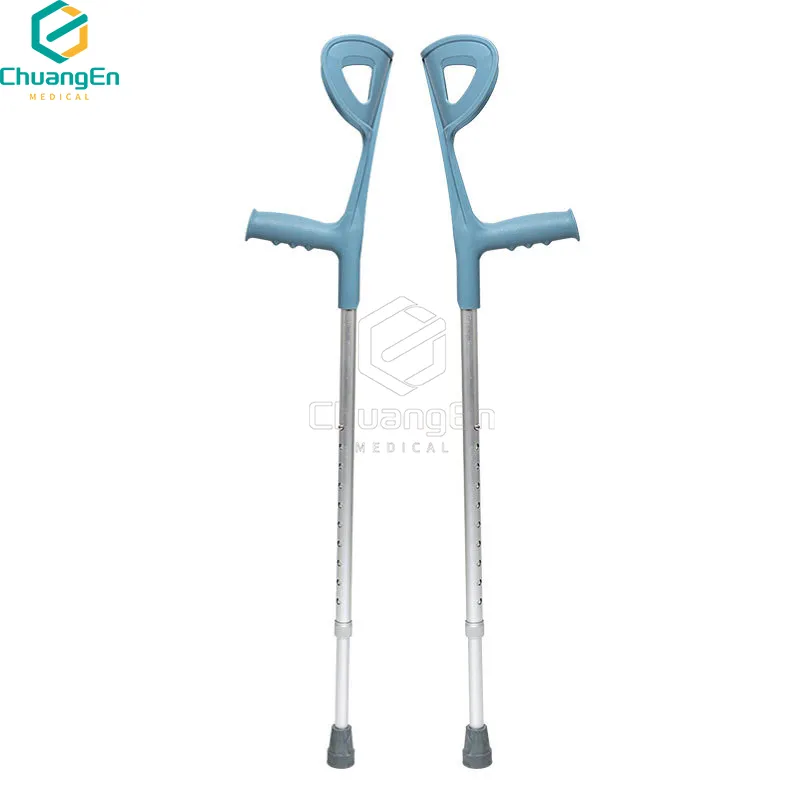
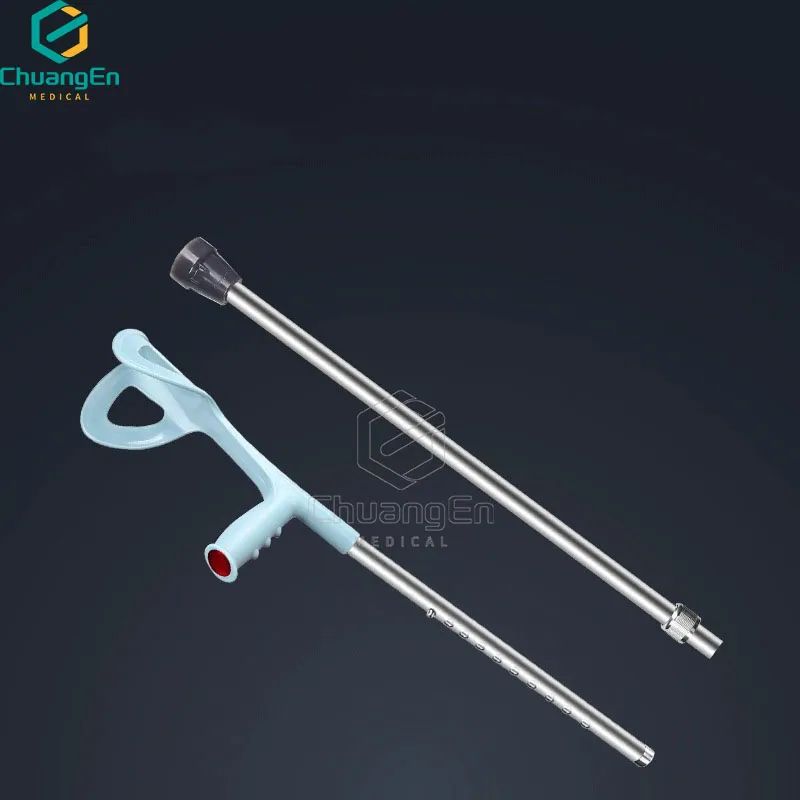
If you’ve ever helped a patient back on their feet, you know the quiet hero of early rehab is a good pair of crutches. The CS-02—“Price cheap stretchable elbow” model from Chuangen Medical—leans into that reality with thickened aluminum tubing, a humanized forearm bracket, and a grip that doesn’t punish your hands during long days. I’ve walked hospital corridors with gear like this; minor details matter more than the spec sheet suggests.
What’s shifting in the market
Two trends are obvious: lighter alloys (without flimsy feel) and adjustability that clicks confidently. Clinics also want CE/FDA-aligned crutches they can hand out quickly—no fiddly tools, no guesswork. And yes, price pressure never left; procurement teams want durable value, not disposable gadgets.
Technical snapshot and manufacturing flow
- Materials: thickened 6xxx-series aluminum alloy pipe; anodized surface; aluminum alloy lock ring; high-friction rubber tip.
- Methods: tube extrusion → CNC cutting → multi-point riveting → anodizing → grip overmolding → assembly → QC.
- Testing standards targeted: ISO 11334-1 (walking aids; requirements/test methods), ISO 11199-1 (general), ISO 13485 QMS alignment.
- Service life: ≈3–5 years in normal clinical/home use; rubber tips typically replaced every 6–12 months.
| Product Spec (CS-02) | Details (≈ real-world) |
|---|---|
| Adjustability | 10-speed height positions; stretchable elbow cuff |
| Grip | Ergonomic non-slip support grip, sweat-resistant polymer |
| Load capacity | ≈120 kg user mass (static); dynamic testing to spec |
| Tip | Non-slip foot mat; high-durometer rubber with water-channel tread |
| MOQ | 50 PCS |
Where they’re used—and why
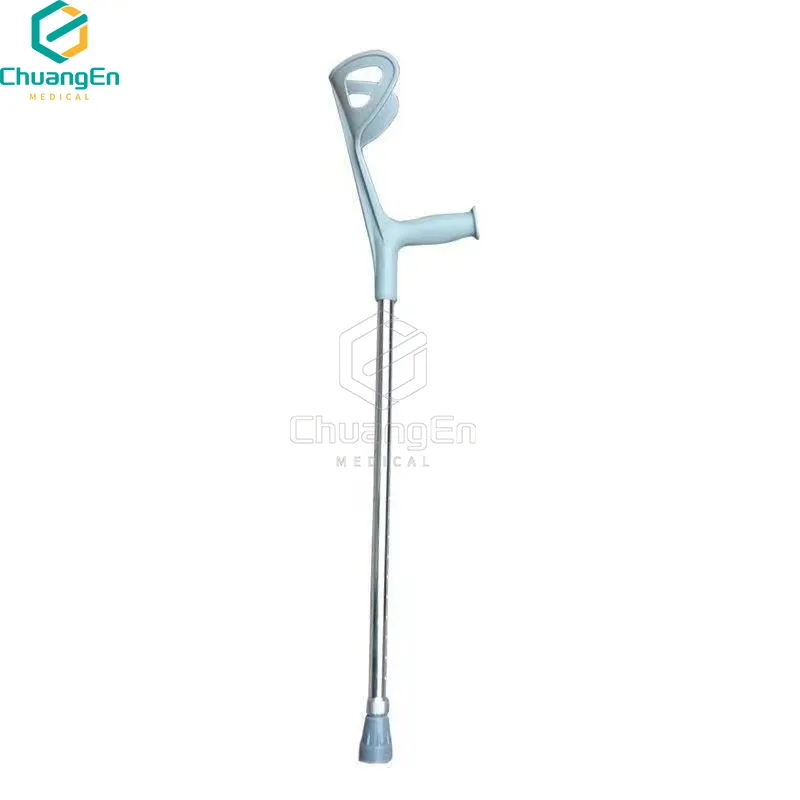
Hospitals, outpatient rehab, homecare, rental fleets, even sports clinics—these crutches simply slot in. The forearm design helps post-op knee and ankle patients maintain posture without wrist overloading. Many customers say the lock ring feels “secure but quick,” which, to be honest, is what you want during a busy morning discharge.
Vendor comparison (real-world expectations)
| Vendor | Material | Adjustability | Certs | MOQ | Lead Time | Price (≈) |
|---|---|---|---|---|---|---|
| Chuangen CS-02 | Thickened Al-alloy | 10 steps | ISO 13485, CE-mark | 50 | ≈15–25 days | Low–mid |
| BigBox Med A2 | Standard Al | 8 steps | CE | 100 | ≈30–40 days | Mid |
| Hospital Supply Co F-Arm | Al + Steel joints | 10 steps | FDA listing | 75 | ≈20–30 days | Mid–high |
Note: pricing/lead times are indicative; real-world use may vary by region and order mix.
Customization and logistics
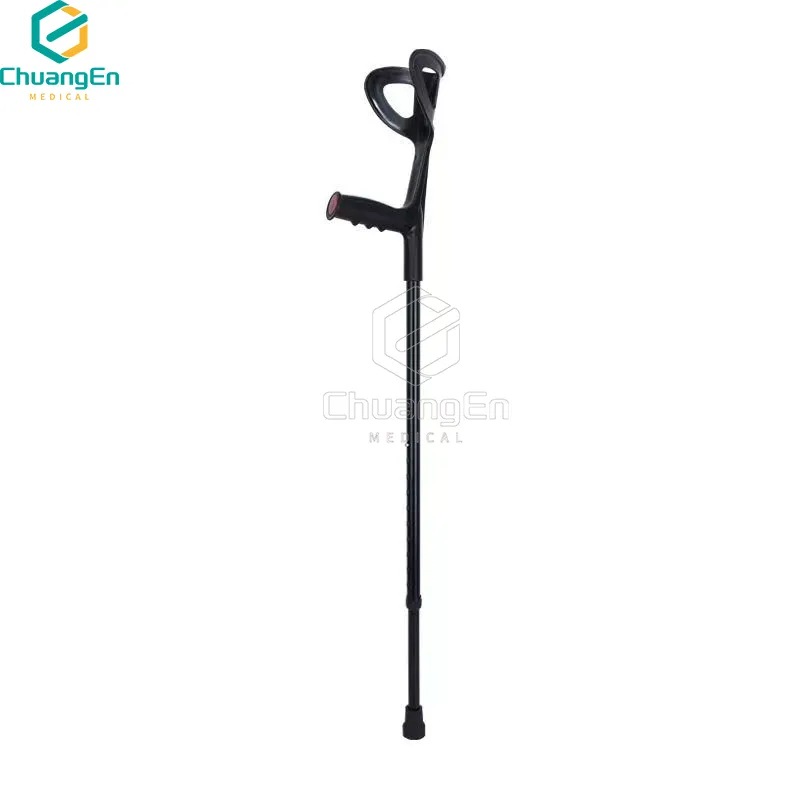
Available with laser-etched logos, color options on cuffs and grips, and tip compounds for indoor vs. outdoor traction. Origin: No.65, Tiangui Street, High Technology Industrial Development Zone, Shijiazhuang, Hebei, China. For bulk rehab programs, MOQ 50 PCS keeps onboarding friendly.
Quick case notes
- Regional Hospital (EU): swapped mixed-stock forearm crutches for CS-02; reported 18% fewer tip replacements over six months (small sample, but promising).
- Sports Clinic (ME): preferred the firmer cuff; athletes said the grip “doesn’t spin” during sweaty sessions—surprisingly rare.
Compliance, testing, and data
- Standards: designed toward ISO 11334-1 and ISO 11199-1; manufactured under ISO 13485 QMS; CE-mark per EU MDR.
- Bench tests: cyclic fatigue on tube/lock assemblies to ≈100k cycles; tip slip angle on wet tile ≤7° at 70 kg load (lab conditions).
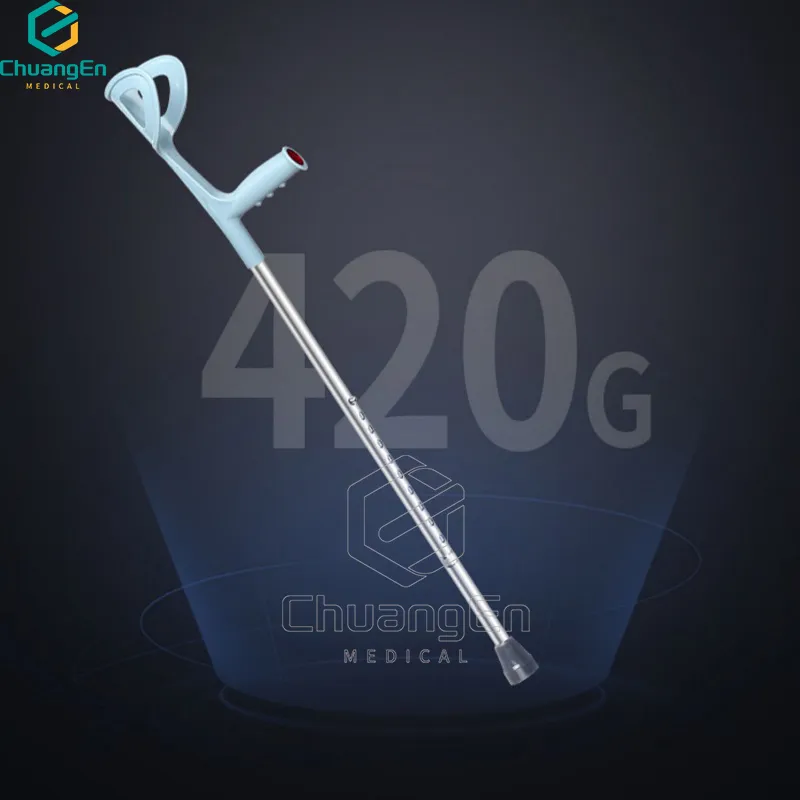
- User safety: anti-rotation grip; audible height-click; cuff clearance prevents ulnar pressure points.
Bottom line: if you need reliable, adjustable forearm crutches that don’t fight your clinicians or your budget, the CS-02 hits a sensible balance. And that’s not marketing fluff—I’ve seen too many “value” models fail on the tiny details.
Authoritative citations
- ISO 11334-1: Assistive products for persons with disability—Walking aids manipulated by one arm—Requirements and test methods.
- ISO 11199-1: Walking aids manipulated by both arms—General requirements and test methods.
- ISO 13485: Medical devices—Quality management systems—Requirements for regulatory purposes.
- EU MDR 2017/745: Regulation on medical devices; CE marking framework.
- U.S. FDA Product Classification: Forearm crutch (Product Code KXB); device listing and general controls.