The Crucial Role of Advanced Pressure Redistribution Systems in Healthcare
In acute care, long-term care, and home healthcare environments, the prevention and management of pressure ulcers (also known as bedsores or decubitus ulcers) represent a significant challenge. These debilitating conditions not only compromise patient recovery and quality of life but also impose substantial economic burdens on healthcare systems globally. Recognizing this, medical technology has advanced significantly, with innovative solutions such as the anti decubitus mattress becoming indispensable tools for proactive patient care. These specialized support surfaces are engineered to redistribute pressure, improve blood circulation, and provide a therapeutic environment for patients with limited mobility.
The development and deployment of high-performance pressure redistribution systems underscore a commitment to patient well-being and clinical efficiency. As healthcare landscapes evolve, the demand for reliable, effective, and technologically advanced solutions for pressure injury prevention continues to grow, driving innovation in material science, control systems, and user-centric design.
Industry Trends and Market Overview for Pressure Management Solutions
The global market for pressure injury prevention products is experiencing robust growth, propelled by an aging population, rising prevalence of chronic diseases, and increased awareness among healthcare providers regarding pressure ulcer prevention protocols. Data from Grand View Research indicates the global pressure ulcer management market size was valued at USD 4.9 billion in 2022 and is expected to expand at a compound annual growth rate (CAGR) of 6.2% from 2023 to 2030. This growth is significantly influenced by the adoption of advanced support surfaces, including specialized anti decubitus mattress solutions.
Key trends shaping this market include the integration of smart technologies, such as pressure mapping and automated monitoring systems, into support surfaces. There's also a growing emphasis on modular designs that allow for easier cleaning, maintenance, and customization. Furthermore, the demand for cost-effective yet highly efficacious solutions is driving manufacturers to innovate in material composition and pump technology, ensuring extended service life and reduced operational costs. The focus extends beyond static foam mattresses to dynamic decubitus mattress systems that offer alternating pressure therapy, thereby continuously shifting pressure points and stimulating blood flow to at-risk areas.
Technical Specifications and Design Principles of the CA-10 Medical Anti-Bedsore Bubble Air Mattress
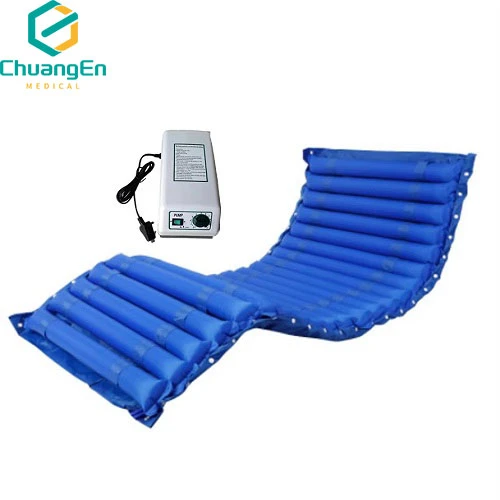
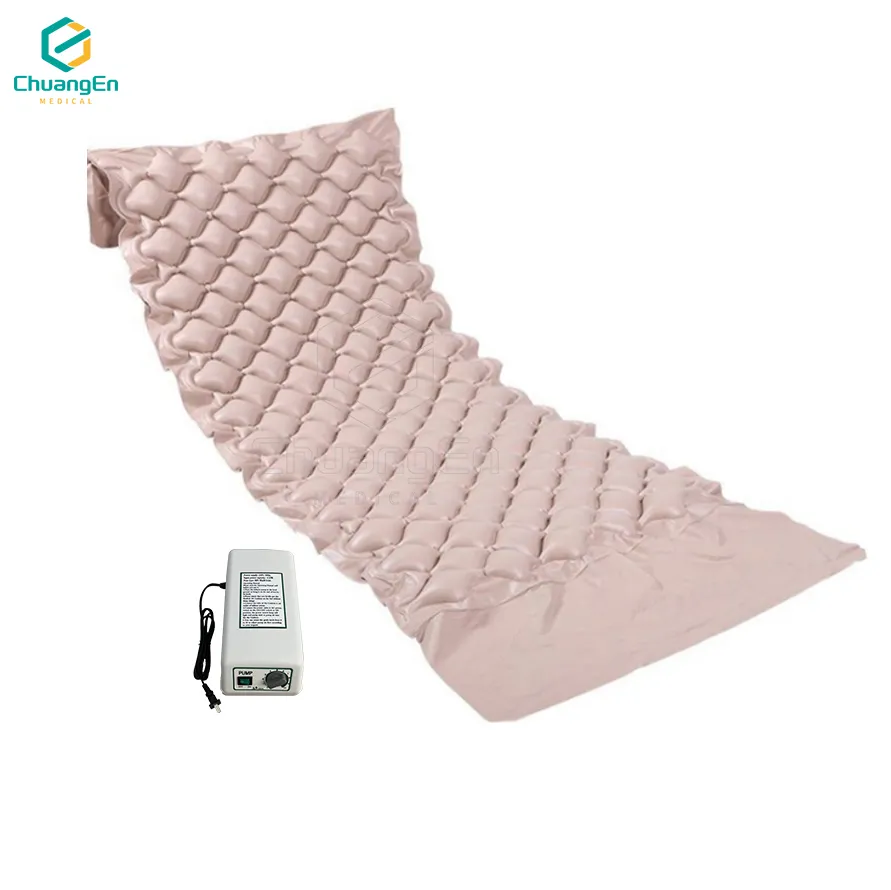
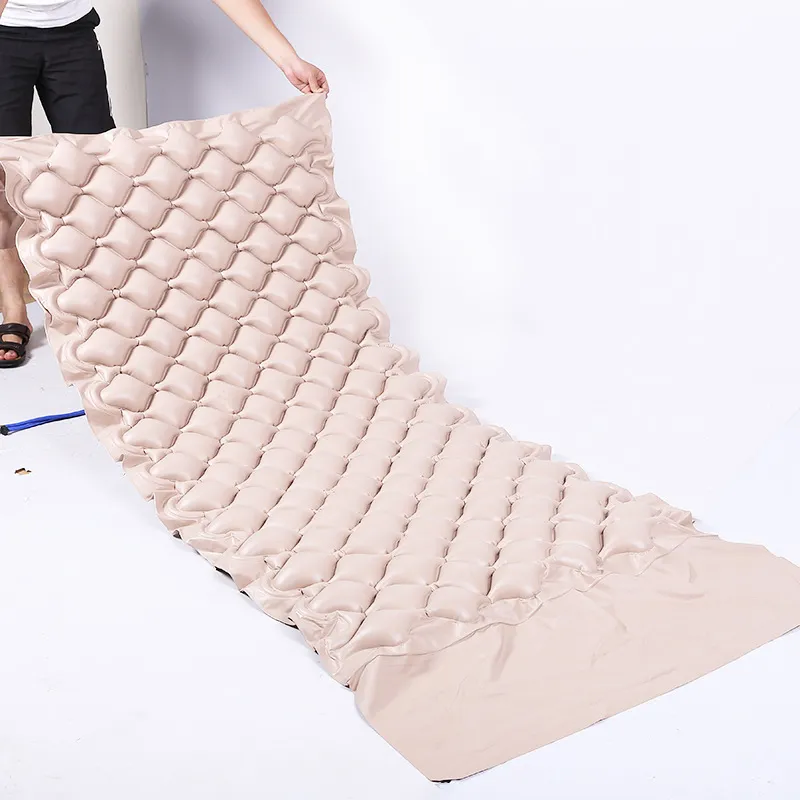
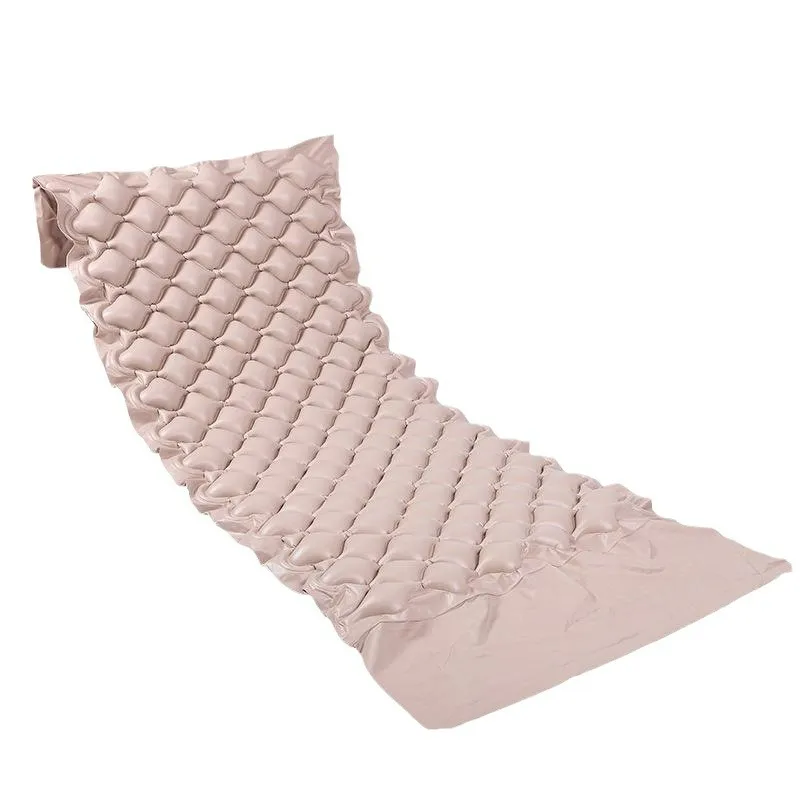
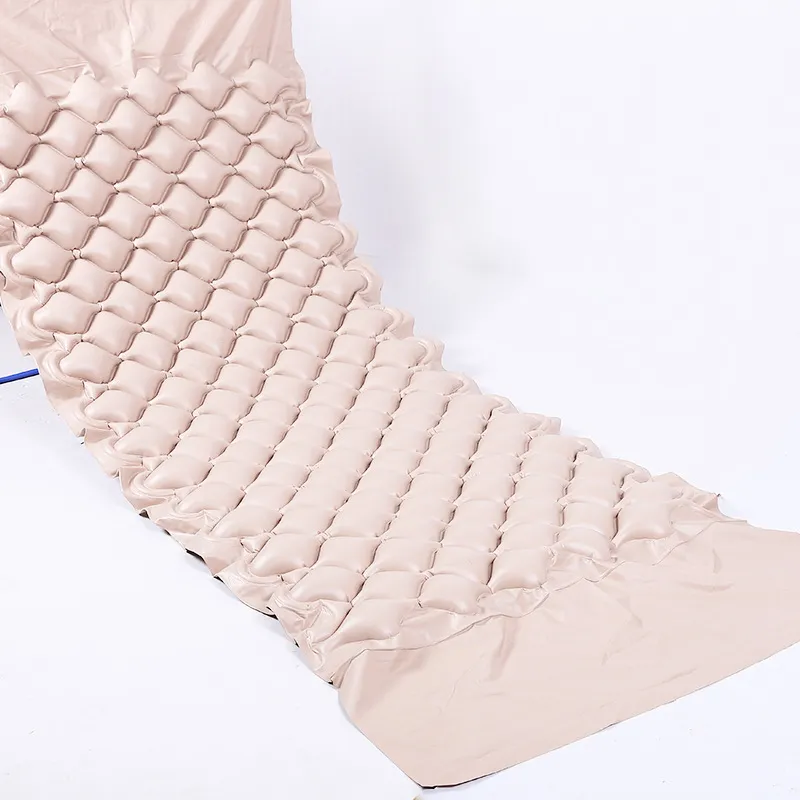
The CA-10 Medical Anti-Bedsore Bubble Air Mattress exemplifies advanced engineering in pressure ulcer prevention. This sophisticated pressure ulcer cushion system operates on the principle of alternating pressure therapy, a clinically proven method for preventing and treating pressure injuries. It features a series of interconnected air cells that inflate and deflate cyclically, constantly changing the pressure points on the patient's body.
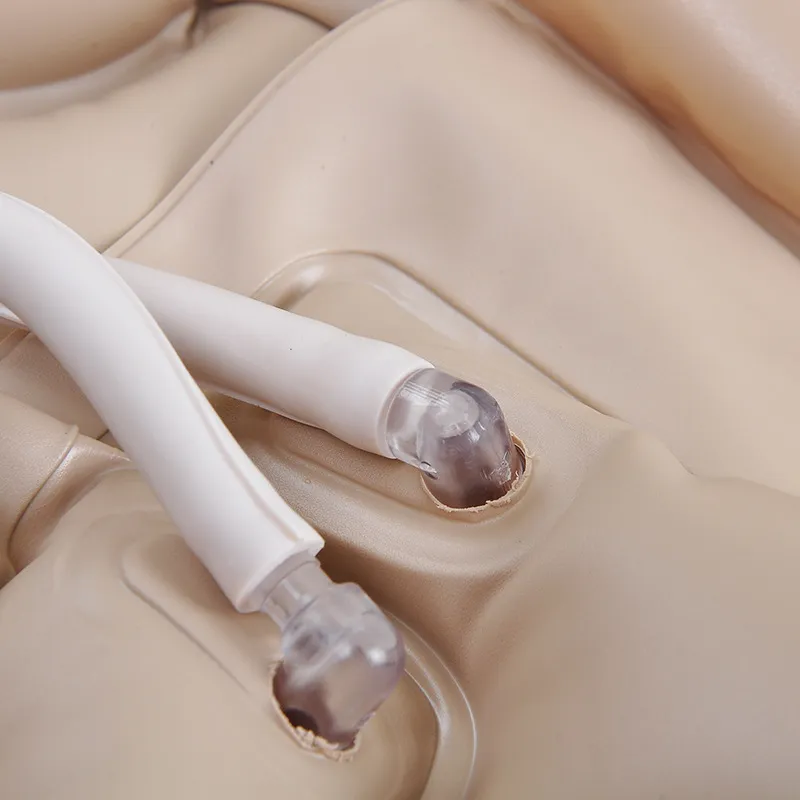
The core components include a durable mattress overlay and a quiet, energy-efficient air pump. The mattress material, typically medical-grade PVC, is selected for its biocompatibility, ease of cleaning, and robust resistance to punctures and wear. The bubble design ensures broad support while promoting air circulation to prevent skin maceration. The pump unit provides precise control over inflation and deflation cycles, typically ranging from 5 to 10 minutes, ensuring continuous pressure redistribution.
Product Specifications: CA-10 Medical Anti-Bedsore Bubble Air Mattress
| Parameter | Specification |
|---|---|
| Mattress Dimensions (L×W×H) | 200cm × 90cm × 7cm (approx.) |
| Mattress Material | Medical Grade PVC |
| Number of Cells | 130 Bubble Cells |
| Max. Patient Weight | 120-135 kg (265-300 lbs) |
| Pump Cycle Time | 6-8 minutes (Alternating) |
| Air Output | 6-7 liters/minute |
| Pressure Range | Adjustable (50-120 mmHg typical) |
| Power Supply | AC 220V/50Hz or 110V/60Hz |
| Power Consumption | <10W |
| Noise Level | <30 dB |
| Certifications | CE, ISO 13485 |
Understanding these technical parameters is crucial for healthcare professionals selecting an air mattress to match patient needs and clinical requirements. Factors like maximum patient weight, cycle time, and noise level directly impact patient comfort and therapeutic efficacy.
Manufacturing Process Flow of an Advanced Anti-Decubitus Mattress
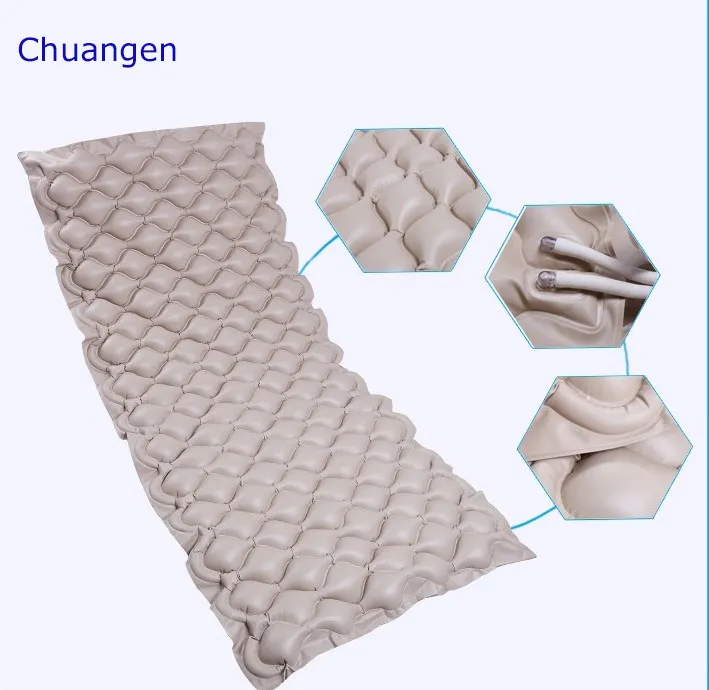
The production of a high-quality anti decubitus mattress involves a meticulously controlled manufacturing process, adhering to stringent medical device standards. This ensures product reliability, patient safety, and consistent performance.
1. Material Selection and Preparation
Materials: The primary material for the mattress overlay is typically medical-grade PVC (Polyvinyl Chloride) or PU (Polyurethane), chosen for its elasticity, durability, non-toxic properties, and ease of cleaning. These materials must comply with ISO 10993 (Biological evaluation of medical devices) for biocompatibility. The air pump components involve high-grade plastics for housing, durable diaphragms for air compression, and low-noise electric motors. Tubing is generally made from PVC or silicone, engineered for flexibility and air-tight connections.
2. Manufacturing Process Steps (Schematic Representation)
Step 1: Material Cutting & Cell Fabrication
Precision cutting of PVC/PU sheets. High-frequency welding or heat sealing to form individual air bubble cells.
Step 2: Mattress Assembly
Welding of individual cells into a complete mattress overlay. Integration of tubing and connectors.
Step 3: Pump Unit Manufacturing
Assembly of motor, compressor, circuit board, and housing. Rigorous electrical safety and performance checks.
Step 4: Leak Testing
Each mattress undergoes inflation and pressure retention tests to detect any leaks in cells or seams.
Step 5: System Integration & Calibration
Connecting the pump to the mattress. Calibrating pressure settings and cycle times for optimal performance.
Step 6: Final Quality Control & Packaging
Comprehensive functional testing, visual inspection, and adherence to packaging standards for sterile or clean environments.
3. Testing Standards and Certifications
All medical support surfaces, including an air mattress, must comply with international standards such as ISO 13485 for Medical Devices Quality Management Systems, CE marking for European market conformity, and potentially FDA clearance for the US market. Specific tests include air leakage tests (e.g., in accordance with ASTM F2387), material tensile strength, flammability ratings (e.g., BS 7177), noise level measurements, and electromagnetic compatibility (EMC) testing. These certifications and testing regimens ensure the product's safety, efficacy, and reliability in clinical settings.
4. Service Life and Durability
A well-manufactured an air mattress is designed for extended service life, typically ranging from 3 to 5 years for the mattress overlay and 2 to 3 years for the pump unit under normal usage and maintenance. Factors influencing longevity include the quality of PVC/PU, the robustness of welding seams, and the durability of the pump's motor and compressor. Regular cleaning and adherence to maintenance schedules are crucial to maximize the lifespan and ensure consistent performance, contributing to cost-effectiveness for healthcare facilities.
Application Scenarios and Target Industries
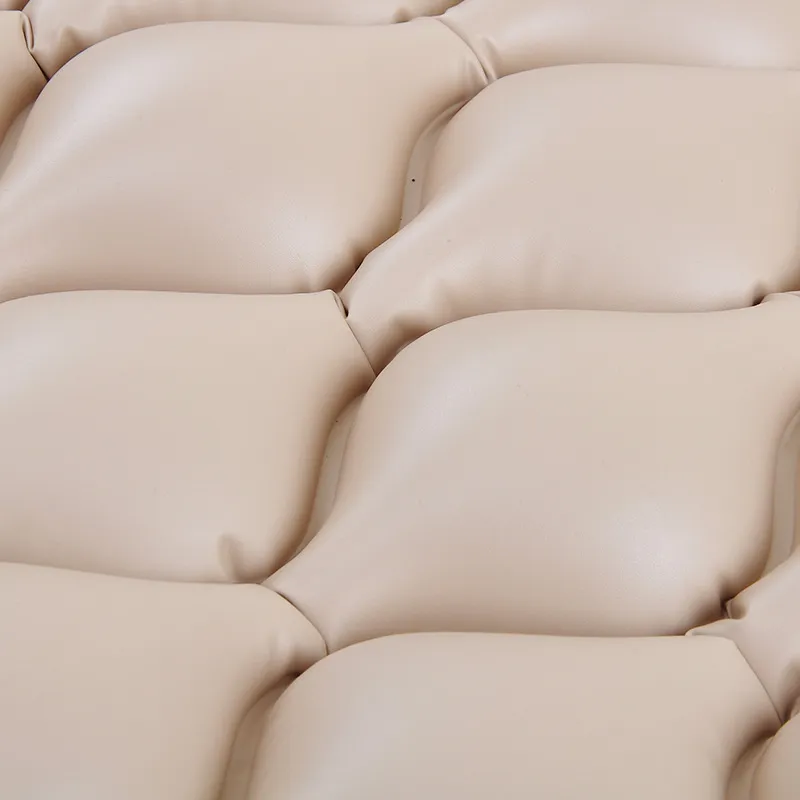
The versatility of modern anti decubitus mattress systems makes them indispensable across a wide spectrum of healthcare environments. These products are specifically designed for patients at various risks of developing pressure ulcers, from moderate to high risk, or for those already suffering from existing pressure injuries requiring therapeutic intervention.
- Hospitals and Acute Care Facilities: For critically ill patients, post-operative recovery, and individuals with limited mobility in intensive care units (ICUs), general wards, and surgical recovery areas.
- Long-Term Care and Nursing Homes: Essential for elderly residents with chronic conditions, neurological impairments, or those who are bedridden for extended periods, where prevention is paramount.
- Home Healthcare: For individuals recovering from illness or injury at home, allowing for continued pressure injury prevention and management outside of a clinical setting, often facilitated by an air mattress sale.
- Rehabilitation Centers: Supporting patients undergoing rehabilitation programs who may have temporary or permanent mobility limitations.
- Palliative Care: Enhancing comfort and dignity for patients nearing end-of-life, by providing effective pressure relief and reducing discomfort.
The broad utility underscores their critical role in comprehensive patient care strategies aimed at improving outcomes and reducing healthcare-associated complications.
Technical Advantages of Advanced Pressure Redistribution Systems
Modern pressure redistribution mattresses offer several distinct advantages over traditional static foam mattresses or basic support surfaces:
- Superior Pressure Redistribution: Alternating pressure therapy dynamically shifts pressure points, preventing prolonged localized pressure and facilitating improved microcirculation. This significantly reduces the risk of tissue ischemia, a primary cause of pressure ulcer formation.
- Enhanced Skin Microclimate: The intermittent inflation and deflation of air cells promote air circulation beneath the patient, helping to manage skin moisture and temperature. This is crucial for preventing skin maceration and maintaining skin integrity, which is not easily achieved with a basic airless mattress.
- Improved Patient Comfort: Adjustable pressure settings allow for customization based on patient weight and comfort levels, leading to better rest and reduced pain for immobilized individuals. The quiet operation of modern pumps also contributes to a peaceful healing environment.
- Durability and Hygiene: Constructed from medical-grade, waterproof, and easy-to-clean materials, these mattresses are designed for longevity and stringent infection control protocols. Many feature quick-release air cells for easy replacement and maintenance.
- Cost-Effectiveness in the Long Run: While initial investment may be higher than conventional mattresses, the significant reduction in pressure ulcer incidence translates to lower treatment costs, shorter hospital stays, and improved patient outcomes, offering substantial long-term savings for healthcare providers.
Vendor Comparison and Customized Solutions
When selecting an anti decubitus mattress, healthcare organizations evaluate various vendors based on product innovation, quality, support, and pricing. While specific vendor names are beyond this scope, key differentiating factors often include:
- Pump Technology: Some offer advanced micro-processing control for precise pressure regulation, quiet operation, and energy efficiency.
- Material Durability: Variations in PVC/PU thickness and reinforcement impact longevity and puncture resistance.
- Features: Low-air-loss therapy, static mode for critical care, alarm systems for pressure drops, and CPR quick-release valves are common enhancements.
- Ease of Maintenance: Removable and washable covers, modular cell design for easy replacement.
Product Comparison: Key Features of Anti-Decubitus Mattresses
| Feature | CA-10 Bubble Mattress | Advanced Cell Mattress (Generic) | Basic Foam Mattress (Generic) |
|---|---|---|---|
| Pressure Therapy | Alternating Pressure | Alternating, Pulsation, Low Air Loss | Static Pressure (Visco-elastic) |
| Risk Level Suitability | Low to Medium Risk | Medium to High Risk, Existing Ulcers | Low Risk |
| Air Pump | Integrated (External, Basic Function) | Advanced (Digital Controls, Alarms) | None |
| Material | Medical Grade PVC | Medical Grade PU/Nylon | High-Density Foam |
| Noise Level | <30 dB | <25 dB (Often quieter) | Silent |
| Maintenance | Easy to Clean, Pump Maintenance | Modular Cells, Pump Servicing | Cover Cleaning |
Customized Solutions
Many manufacturers offer customized solutions for specific clinical needs. This can range from varying mattress dimensions to accommodate specialized hospital beds, to integrating specific pressure mapping technologies or advanced alarm systems for continuous patient monitoring. For bulk procurement, vendors may also offer custom branding or tailored training programs for clinical staff, ensuring seamless integration and optimal usage of the decubitus mattress system.
Application Case Studies & Testimonials
The efficacy of anti decubitus mattress technology is best illustrated through real-world applications. Across various healthcare settings, these systems have consistently demonstrated their value in improving patient outcomes and streamlining care delivery.
Case Study 1: Reduction in Pressure Ulcer Incidence in a Long-Term Care Facility
A large nursing home chain implemented dynamic alternating pressure mattresses for all high-risk residents. Over a 12-month period, the facility reported a 45% reduction in new pressure ulcer development among residents using these specialized mattresses, compared to a control group on standard foam mattresses. Staff also noted improved resident comfort and reduced nursing time associated with manual repositioning. This not only enhanced resident quality of life but also led to significant cost savings related to wound care treatments.
Case Study 2: Post-Surgical Recovery in a Hospital Setting
A major regional hospital incorporated advanced pressure redistribution systems in its orthopedic and general surgery wards. For patients undergoing extensive surgeries that required prolonged bed rest, the use of these mattresses resulted in a marked decrease in the incidence of hospital-acquired pressure injuries. Patient feedback highlighted greater comfort and better sleep quality, contributing to a more positive recovery experience. The hospital also observed a reduction in the need for specialized wound care consultations post-discharge.
Customer Testimonial Excerpt:
"We have been using the CA-10 Medical Anti-Bedsore Bubble Air Mattress for over two years in our rehabilitation unit, and the results have been exceptional. Our patients, many of whom have severe mobility issues, have shown a significant reduction in pressure points and improved skin integrity. The reliability of the pumps and the ease of cleaning the mattress have also made them a favorite among our nursing staff. A truly invaluable asset in our patient care arsenal."
— Head Nurse, Major Rehabilitation Center
These scenarios exemplify the tangible benefits derived from deploying high-quality pressure management solutions, translating into better patient outcomes and operational efficiencies for healthcare providers.
Authoritativeness and Trustworthiness
Establishing trust and authority is paramount in the medical device sector. Our commitment to excellence is demonstrated through rigorous adherence to international standards and a steadfast dedication to customer support.
- Certifications: Our products, including the CA-10, bear essential certifications such as CE (Conformité Européenne) and ISO 13485 (Medical Devices Quality Management Systems), ensuring compliance with strict European and international regulatory requirements.
- Years of Service: With decades of experience in medical device manufacturing, our expertise is built upon a foundation of continuous innovation, quality assurance, and deep understanding of clinical needs.
- Partnerships: We collaborate with leading healthcare institutions and distributors globally, a testament to the reliability and effectiveness of our solutions.
- Data-Driven Efficacy: Products undergo extensive internal and external testing, with performance data consistently showing optimal pressure redistribution and durability.
Frequently Asked Questions (FAQ)
Q: What is the average lead time for bulk orders of the CA-10 Medical Anti-Bedsore Bubble Air Mattress?
A: Standard lead time for bulk orders (e.g., 50+ units) is typically 4-6 weeks, depending on current production schedules and customization requirements. Please contact our sales team for precise lead time estimates for specific order quantities.
Q: What warranty is provided with the anti decubitus mattress and pump?
A: The CA-10 mattress typically comes with a 1-year warranty on the mattress overlay and a 2-year warranty on the air pump unit, covering manufacturing defects. Extended warranty options may be available upon request for institutional clients.
Q: How does the CA-10 contribute to infection control?
A: The CA-10 is constructed from medical-grade PVC, a non-porous and wipe-clean material that resists fluid penetration. Its simple bubble design minimizes crevices where pathogens can harbor, making it easy to disinfect according to standard hospital protocols, contributing to effective infection prevention.
Customer Support and After-Sales Service
Our commitment extends beyond the sale. We provide comprehensive after-sales support, including technical assistance, maintenance guides, and readily available spare parts. Our dedicated customer service team is equipped to handle inquiries regarding product operation, troubleshooting, and warranty claims, ensuring uninterrupted service for healthcare providers.
Conclusion
The evolution of the anti decubitus mattress represents a significant stride in proactive patient care and pressure injury prevention. As healthcare providers continue to prioritize patient safety and clinical efficiency, advanced support surfaces like the CA-10 Medical Anti-Bedsore Bubble Air Mattress will remain indispensable. Their technical sophistication, coupled with rigorous manufacturing standards and proven efficacy, positions them as vital components in comprehensive wound care strategies, ultimately enhancing patient outcomes and optimizing healthcare resource utilization. Investment in such reliable and advanced medical devices is not merely an expenditure but a strategic commitment to elevating the standards of patient care in today's demanding medical landscape.
References
- Grand View Research. (2023). Pressure Ulcer Management Market Size, Share & Trends Analysis Report By Wound Type (Stage 1, Stage 2, Stage 3, Stage 4), By Product, By End-use (Hospitals, Home Care Settings), By Region, And Segment Forecasts, 2023 - 2030. Available from: https://www.grandviewresearch.com/industry-analysis/pressure-ulcer-management-market
- National Pressure Ulcer Advisory Panel (NPUAP). (2014). Prevention and Treatment of Pressure Ulcers: Clinical Practice Guideline. Available from: https://npiap.com/
- ISO 13485:2016. Medical devices — Quality management systems — Requirements for regulatory purposes. International Organization for Standardization.
The Crucial Role of Advanced Pressure Redistribution Systems in Healthcare
In acute care, long-term care, and home healthcare environments, the prevention and management of pressure ulcers (also known as bedsores or decubitus ulcers) represent a significant challenge. These debilitating conditions not only compromise patient recovery and quality of life but also impose substantial economic burdens on healthcare systems globally. Recognizing this, medical technology has advanced significantly, with innovative solutions such as the anti decubitus mattress becoming indispensable tools for proactive patient care. These specialized support surfaces are engineered to redistribute pressure, improve blood circulation, and provide a therapeutic environment for patients with limited mobility.
The development and deployment of high-performance pressure redistribution systems underscore a commitment to patient well-being and clinical efficiency. As healthcare landscapes evolve, the demand for reliable, effective, and technologically advanced solutions for pressure injury prevention continues to grow, driving innovation in material science, control systems, and user-centric design.
Industry Trends and Market Overview for Pressure Management Solutions
The global market for pressure injury prevention products is experiencing robust growth, propelled by an aging population, rising prevalence of chronic diseases, and increased awareness among healthcare providers regarding pressure ulcer prevention protocols. Data from Grand View Research indicates the global pressure ulcer management market size was valued at USD 4.9 billion in 2022 and is expected to expand at a compound annual growth rate (CAGR) of 6.2% from 2023 to 2030. This growth is significantly influenced by the adoption of advanced support surfaces, including specialized anti decubitus mattress solutions.
Key trends shaping this market include the integration of smart technologies, such as pressure mapping and automated monitoring systems, into support surfaces. There's also a growing emphasis on modular designs that allow for easier cleaning, maintenance, and customization. Furthermore, the demand for cost-effective yet highly efficacious solutions is driving manufacturers to innovate in material composition and pump technology, ensuring extended service life and reduced operational costs. The focus extends beyond static foam mattresses to dynamic decubitus mattress systems that offer alternating pressure therapy, thereby continuously shifting pressure points and stimulating blood flow to at-risk areas.
Technical Specifications and Design Principles of the CA-10 Medical Anti-Bedsore Bubble Air Mattress
The CA-10 Medical Anti-Bedsore Bubble Air Mattress exemplifies advanced engineering in pressure ulcer prevention. This sophisticated pressure ulcer cushion system operates on the principle of alternating pressure therapy, a clinically proven method for preventing and treating pressure injuries. It features a series of interconnected air cells that inflate and deflate cyclically, constantly changing the pressure points on the patient's body.
The core components include a durable mattress overlay and a quiet, energy-efficient air pump. The mattress material, typically medical-grade PVC, is selected for its biocompatibility, ease of cleaning, and robust resistance to punctures and wear. The bubble design ensures broad support while promoting air circulation to prevent skin maceration. The pump unit provides precise control over inflation and deflation cycles, typically ranging from 5 to 10 minutes, ensuring continuous pressure redistribution.
Product Specifications: CA-10 Medical Anti-Bedsore Bubble Air Mattress
| Parameter | Specification |
|---|---|
| Mattress Dimensions (L×W×H) | 200cm × 90cm × 7cm (approx.) |
| Mattress Material | Medical Grade PVC |
| Number of Cells | 130 Bubble Cells |
| Max. Patient Weight | 120-135 kg (265-300 lbs) |
| Pump Cycle Time | 6-8 minutes (Alternating) |
| Air Output | 6-7 liters/minute |
| Pressure Range | Adjustable (50-120 mmHg typical) |
| Power Supply | AC 220V/50Hz or 110V/60Hz |
| Power Consumption | <10W |
| Noise Level | <30 dB |
| Certifications | CE, ISO 13485 |
Understanding these technical parameters is crucial for healthcare professionals selecting an air mattress to match patient needs and clinical requirements. Factors like maximum patient weight, cycle time, and noise level directly impact patient comfort and therapeutic efficacy.
Manufacturing Process Flow of an Advanced Anti-Decubitus Mattress
The production of a high-quality anti decubitus mattress involves a meticulously controlled manufacturing process, adhering to stringent medical device standards. This ensures product reliability, patient safety, and consistent performance.
1. Material Selection and Preparation
Materials: The primary material for the mattress overlay is typically medical-grade PVC (Polyvinyl Chloride) or PU (Polyurethane), chosen for its elasticity, durability, non-toxic properties, and ease of cleaning. These materials must comply with ISO 10993 (Biological evaluation of medical devices) for biocompatibility. The air pump components involve high-grade plastics for housing, durable diaphragms for air compression, and low-noise electric motors. Tubing is generally made from PVC or silicone, engineered for flexibility and air-tight connections.
2. Manufacturing Process Steps (Schematic Representation)
Step 1: Material Cutting & Cell Fabrication
Precision cutting of PVC/PU sheets. High-frequency welding or heat sealing to form individual air bubble cells.
Step 2: Mattress Assembly
Welding of individual cells into a complete mattress overlay. Integration of tubing and connectors.
Step 3: Pump Unit Manufacturing
Assembly of motor, compressor, circuit board, and housing. Rigorous electrical safety and performance checks.
Step 4: Leak Testing
Each mattress undergoes inflation and pressure retention tests to detect any leaks in cells or seams.
Step 5: System Integration & Calibration
Connecting the pump to the mattress. Calibrating pressure settings and cycle times for optimal performance.
Step 6: Final Quality Control & Packaging
Comprehensive functional testing, visual inspection, and adherence to packaging standards for sterile or clean environments.
3. Testing Standards and Certifications
All medical support surfaces, including an air mattress, must comply with international standards such as ISO 13485 for Medical Devices Quality Management Systems, CE marking for European market conformity, and potentially FDA clearance for the US market. Specific tests include air leakage tests (e.g., in accordance with ASTM F2387), material tensile strength, flammability ratings (e.g., BS 7177), noise level measurements, and electromagnetic compatibility (EMC) testing. These certifications and testing regimens ensure the product's safety, efficacy, and reliability in clinical settings.
4. Service Life and Durability
A well-manufactured an air mattress is designed for extended service life, typically ranging from 3 to 5 years for the mattress overlay and 2 to 3 years for the pump unit under normal usage and maintenance. Factors influencing longevity include the quality of PVC/PU, the robustness of welding seams, and the durability of the pump's motor and compressor. Regular cleaning and adherence to maintenance schedules are crucial to maximize the lifespan and ensure consistent performance, contributing to cost-effectiveness for healthcare facilities.
Application Scenarios and Target Industries
The versatility of modern anti decubitus mattress systems makes them indispensable across a wide spectrum of healthcare environments. These products are specifically designed for patients at various risks of developing pressure ulcers, from moderate to high risk, or for those already suffering from existing pressure injuries requiring therapeutic intervention.
- Hospitals and Acute Care Facilities: For critically ill patients, post-operative recovery, and individuals with limited mobility in intensive care units (ICUs), general wards, and surgical recovery areas.
- Long-Term Care and Nursing Homes: Essential for elderly residents with chronic conditions, neurological impairments, or those who are bedridden for extended periods, where prevention is paramount.
- Home Healthcare: For individuals recovering from illness or injury at home, allowing for continued pressure injury prevention and management outside of a clinical setting, often facilitated by an air mattress sale.
- Rehabilitation Centers: Supporting patients undergoing rehabilitation programs who may have temporary or permanent mobility limitations.
- Palliative Care: Enhancing comfort and dignity for patients nearing end-of-life, by providing effective pressure relief and reducing discomfort.
The broad utility underscores their critical role in comprehensive patient care strategies aimed at improving outcomes and reducing healthcare-associated complications.
Technical Advantages of Advanced Pressure Redistribution Systems
Modern pressure redistribution mattresses offer several distinct advantages over traditional static foam mattresses or basic support surfaces:
- Superior Pressure Redistribution: Alternating pressure therapy dynamically shifts pressure points, preventing prolonged localized pressure and facilitating improved microcirculation. This significantly reduces the risk of tissue ischemia, a primary cause of pressure ulcer formation.
- Enhanced Skin Microclimate: The intermittent inflation and deflation of air cells promote air circulation beneath the patient, helping to manage skin moisture and temperature. This is crucial for preventing skin maceration and maintaining skin integrity, which is not easily achieved with a basic airless mattress.
- Improved Patient Comfort: Adjustable pressure settings allow for customization based on patient weight and comfort levels, leading to better rest and reduced pain for immobilized individuals. The quiet operation of modern pumps also contributes to a peaceful healing environment.
- Durability and Hygiene: Constructed from medical-grade, waterproof, and easy-to-clean materials, these mattresses are designed for longevity and stringent infection control protocols. Many feature quick-release air cells for easy replacement and maintenance.
- Cost-Effectiveness in the Long Run: While initial investment may be higher than conventional mattresses, the significant reduction in pressure ulcer incidence translates to lower treatment costs, shorter hospital stays, and improved patient outcomes, offering substantial long-term savings for healthcare providers.
Vendor Comparison and Customized Solutions
When selecting an anti decubitus mattress, healthcare organizations evaluate various vendors based on product innovation, quality, support, and pricing. While specific vendor names are beyond this scope, key differentiating factors often include:
- Pump Technology: Some offer advanced micro-processing control for precise pressure regulation, quiet operation, and energy efficiency.
- Material Durability: Variations in PVC/PU thickness and reinforcement impact longevity and puncture resistance.
- Features: Low-air-loss therapy, static mode for critical care, alarm systems for pressure drops, and CPR quick-release valves are common enhancements.
- Ease of Maintenance: Removable and washable covers, modular cell design for easy replacement.
Product Comparison: Key Features of Anti-Decubitus Mattresses
| Feature | CA-10 Bubble Mattress | Advanced Cell Mattress (Generic) | Basic Foam Mattress (Generic) |
|---|---|---|---|
| Pressure Therapy | Alternating Pressure | Alternating, Pulsation, Low Air Loss | Static Pressure (Visco-elastic) |
| Risk Level Suitability | Low to Medium Risk | Medium to High Risk, Existing Ulcers | Low Risk |
| Air Pump | Integrated (External, Basic Function) | Advanced (Digital Controls, Alarms) | None |
| Material | Medical Grade PVC | Medical Grade PU/Nylon | High-Density Foam |
| Noise Level | <30 dB | <25 dB (Often quieter) | Silent |
| Maintenance | Easy to Clean, Pump Maintenance | Modular Cells, Pump Servicing | Cover Cleaning |
Customized Solutions
Many manufacturers offer customized solutions for specific clinical needs. This can range from varying mattress dimensions to accommodate specialized hospital beds, to integrating specific pressure mapping technologies or advanced alarm systems for continuous patient monitoring. For bulk procurement, vendors may also offer custom branding or tailored training programs for clinical staff, ensuring seamless integration and optimal usage of the decubitus mattress system.
Application Case Studies & Testimonials
The efficacy of anti decubitus mattress technology is best illustrated through real-world applications. Across various healthcare settings, these systems have consistently demonstrated their value in improving patient outcomes and streamlining care delivery.
Case Study 1: Reduction in Pressure Ulcer Incidence in a Long-Term Care Facility
A large nursing home chain implemented dynamic alternating pressure mattresses for all high-risk residents. Over a 12-month period, the facility reported a 45% reduction in new pressure ulcer development among residents using these specialized mattresses, compared to a control group on standard foam mattresses. Staff also noted improved resident comfort and reduced nursing time associated with manual repositioning. This not only enhanced resident quality of life but also led to significant cost savings related to wound care treatments.
Case Study 2: Post-Surgical Recovery in a Hospital Setting
A major regional hospital incorporated advanced pressure redistribution systems in its orthopedic and general surgery wards. For patients undergoing extensive surgeries that required prolonged bed rest, the use of these mattresses resulted in a marked decrease in the incidence of hospital-acquired pressure injuries. Patient feedback highlighted greater comfort and better sleep quality, contributing to a more positive recovery experience. The hospital also observed a reduction in the need for specialized wound care consultations post-discharge.
Customer Testimonial Excerpt:
"We have been using the CA-10 Medical Anti-Bedsore Bubble Air Mattress for over two years in our rehabilitation unit, and the results have been exceptional. Our patients, many of whom have severe mobility issues, have shown a significant reduction in pressure points and improved skin integrity. The reliability of the pumps and the ease of cleaning the mattress have also made them a favorite among our nursing staff. A truly invaluable asset in our patient care arsenal."
— Head Nurse, Major Rehabilitation Center
These scenarios exemplify the tangible benefits derived from deploying high-quality pressure management solutions, translating into better patient outcomes and operational efficiencies for healthcare providers.
Authoritativeness and Trustworthiness
Establishing trust and authority is paramount in the medical device sector. Our commitment to excellence is demonstrated through rigorous adherence to international standards and a steadfast dedication to customer support.
- Certifications: Our products, including the CA-10, bear essential certifications such as CE (Conformité Européenne) and ISO 13485 (Medical Devices Quality Management Systems), ensuring compliance with strict European and international regulatory requirements.
- Years of Service: With decades of experience in medical device manufacturing, our expertise is built upon a foundation of continuous innovation, quality assurance, and deep understanding of clinical needs.
- Partnerships: We collaborate with leading healthcare institutions and distributors globally, a testament to the reliability and effectiveness of our solutions.
- Data-Driven Efficacy: Products undergo extensive internal and external testing, with performance data consistently showing optimal pressure redistribution and durability.
Frequently Asked Questions (FAQ)
Q: What is the average lead time for bulk orders of the CA-10 Medical Anti-Bedsore Bubble Air Mattress?
A: Standard lead time for bulk orders (e.g., 50+ units) is typically 4-6 weeks, depending on current production schedules and customization requirements. Please contact our sales team for precise lead time estimates for specific order quantities.
Q: What warranty is provided with the anti decubitus mattress and pump?
A: The CA-10 mattress typically comes with a 1-year warranty on the mattress overlay and a 2-year warranty on the air pump unit, covering manufacturing defects. Extended warranty options may be available upon request for institutional clients.
Q: How does the CA-10 contribute to infection control?
A: The CA-10 is constructed from medical-grade PVC, a non-porous and wipe-clean material that resists fluid penetration. Its simple bubble design minimizes crevices where pathogens can harbor, making it easy to disinfect according to standard hospital protocols, contributing to effective infection prevention.
Customer Support and After-Sales Service
Our commitment extends beyond the sale. We provide comprehensive after-sales support, including technical assistance, maintenance guides, and readily available spare parts. Our dedicated customer service team is equipped to handle inquiries regarding product operation, troubleshooting, and warranty claims, ensuring uninterrupted service for healthcare providers.
Conclusion
The evolution of the anti decubitus mattress represents a significant stride in proactive patient care and pressure injury prevention. As healthcare providers continue to prioritize patient safety and clinical efficiency, advanced support surfaces like the CA-10 Medical Anti-Bedsore Bubble Air Mattress will remain indispensable. Their technical sophistication, coupled with rigorous manufacturing standards and proven efficacy, positions them as vital components in comprehensive wound care strategies, ultimately enhancing patient outcomes and optimizing healthcare resource utilization. Investment in such reliable and advanced medical devices is not merely an expenditure but a strategic commitment to elevating the standards of patient care in today's demanding medical landscape.
References
- Grand View Research. (2023). Pressure Ulcer Management Market Size, Share & Trends Analysis Report By Wound Type (Stage 1, Stage 2, Stage 3, Stage 4), By Product, By End-use (Hospitals, Home Care Settings), By Region, And Segment Forecasts, 2023 - 2030. Available from: https://www.grandviewresearch.com/industry-analysis/pressure-ulcer-management-market
- National Pressure Ulcer Advisory Panel (NPUAP). (2014). Prevention and Treatment of Pressure Ulcers: Clinical Practice Guideline. Available from: https://npiap.com/
- ISO 13485:2016. Medical devices — Quality management systems — Requirements for regulatory purposes. International Organization for Standardization.