Understanding the Bed to Avoid Bed Sores: A Crucial Component in Patient Care
Pressure ulcers, commonly known as bed sores, are a persistent global healthcare challenge—affecting millions of patients annually, especially those with limited mobility. Knowing about bed to avoid bed sores isn't just medical jargon; it's essential knowledge for caregivers, medical professionals, and indeed any place where long-term patient comfort is vital.
Worldwide, the prevalence of pressure ulcers ranges from 5% to 32% in hospitalized patients, with rates climbing even higher in nursing homes. This data from sources like the World Health Organization and the International Continence Society underscores how critical specialized beds are in mitigating this costly and painful problem. Frankly, an effective bed designed to prevent bed sores can improve patient outcomes, reduce healthcare costs, and ease burdens on caregivers.
Defining What a Bed to Avoid Bed Sores Really Means
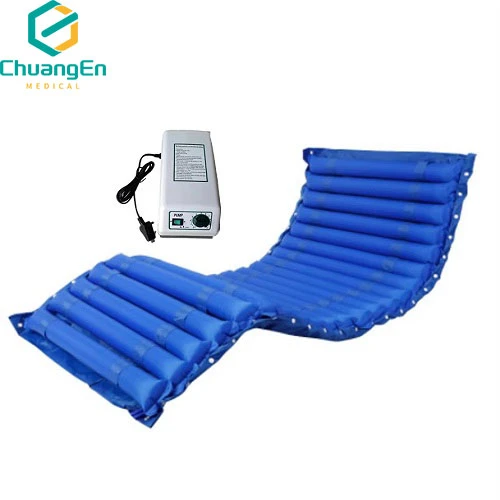
In its simplest form, a bed to avoid bed sores is a medical bed equipped with features that minimize and prevent pressure ulcers from developing. It’s not just any bed, but one that often combines specialized mattresses, adjustable surfaces, and sometimes advanced technology such as alternating pressure mechanisms to redistribute body weight and improve circulation.
This concept is deeply intertwined with modern healthcare and humanitarian contexts: from hospitals and long-term care facilities to remote disaster relief scenarios where access to quality patient care is scarce. Beds designed with pressure injury prevention in mind support dignity and faster recovery, something every health system aspires to.
Key Factors That Make These Beds Effective
1. Pressure Redistribution
The cornerstone of these beds lies in how they distribute pressure away from vulnerable areas like the sacrum, heels, and elbows. Specialized mattress materials such as memory foam or air-filled cells allow for constant adjustment that lessens localized stress on the skin and tissues.
2. Adjustability
Adjustable segments for the head, legs, and elevation modes help patients change posture regularly—a simple yet effective method to prevent prolonged pressure. For example, patient positioning every two hours is standard bedside care, but a good bed makes this easier or sometimes automated.
3. Breathability & Moisture Control
A good anti-bedsore bed also manages moisture buildup, which is a primary contributor to skin breakdown. Materials and mattress covers often provide air flow channels combined with waterproof, antimicrobial fabrics.
4. Durability and Hygiene
These beds must withstand continuous use and repeated cleaning, usually meeting strict hygiene protocols defined by ISO healthcare equipment standards. Longevity without sacrificing performance is essential, especially in busy wards.
Product Specifications at a Glance
| Specification | Details |
|---|---|
| Pressure Relief Technology | Alternating air cells with adjustable pressure |
| Mattress Material | High-density foam + waterproof, antimicrobial cover |
| Adjustment Range | Backrest tilt: 0–70°, Leg elevation: 0–30° |
| Weight Capacity | Up to 250 kg (550 lbs) |
| Cleaning & Maintenance | Easy wipe surfaces, washable mattress covers |
Global Applications & Industry Use Cases
You’d be surprised how widespread the use of beds designed to avoid bed sores really is. They’re staples in:
- Hospitals around the world, especially in Intensive Care Units (ICUs) where patients are immobile for extended periods.
- Long-term care facilities and nursing homes, particularly in countries with aging populations like Japan and much of Europe.
- Humanitarian relief operations—think post-disaster zones where rapid deployment beds equipped to prevent pressure injuries make a meaningful difference.
- Home healthcare setups, helping patients recover safely outside institutional settings.
One notable example is the use of advanced anti-bedsore beds in remote Indigenous clinics in Canada, where accessibility and sustained medical support are challenging. This technology not only mitigates bed sores but preserves dignity in vulnerable populations.
Advantages & Long-Term Value
Choosing the right bed to avoid bed sores extends beyond immediate clinical benefit. Sites report marked cost savings via fewer wound care treatments and shorter hospital stays. Psychologically, patients experience greater comfort, less pain, and maintain a sense of autonomy, improving overall recovery.
On a societal level, reducing the incidence of pressure ulcers lowers burden on healthcare workers and systems—overloaded in many nations post-pandemic—freeing resources for other areas.
Vendor Comparison Table: Leading Bed Technologies
| Vendor | Technology | Price Range | Warranty | Unique Feature |
|---|---|---|---|---|
| ChuangEn Medical | Alternating pressure + smart sensors | $$$ | 5 years | Remote monitoring capabilities |
| AeroBed Health | Static foam + moisture control | $$ | 3 years | Lightweight and portable |
| SafeSleep Systems | Hybrid air-cell + foam mattress | $$$$ | 7 years | Integrated patient repositioning alarms |
Future Trends & Innovations in Beds That Prevent Bed Sores
Technology is evolving fast. The next generation of beds typically integrate AI-driven pressure mapping, real-time alerts for caregivers, and materials sourced sustainably. I suppose it’s about combining care with environmental responsibility—oddly enough, the green movement touches even hospital bedding!
Moreover, modular designs adaptable for transport and quick setup increasingly cater to field hospitals and disaster response units, making it feasible to bring high-end care to difficult environments.
Challenges & How Experts Tackle Them
Despite advances, challenges persist: cost barriers, training for optimal use, and wear-and-tear on mechanical parts. Manufacturers and healthcare providers collaborate on creating user-friendly interfaces and maintenance programs to extend product lifespan and ease caregiver workload.
In addition, organizations like the ISO are working on standardizing requirements for these beds to ensure consistent quality worldwide, an effort that benefits patients everywhere.
FAQ: Common Questions About Bed to Avoid Bed Sores
- What features should I look for in a bed to avoid bed sores?
Key features include pressure redistribution technology, adjustability, breathable materials, and ease of cleaning. Devices that incorporate sensors for patient monitoring add a valuable layer of safety. - Can these beds be used for home care?
Absolutely. Many medical beds designed to prevent bed sores are available for home care, offering safety and comfort without hospitalization. Some even support remote monitoring by healthcare providers. - Are beds to avoid bed sores cost-effective?
Though upfront costs may be higher, they reduce long-term expenses by preventing ulcers, which are costly to treat and often lead to further complications. - How often should patients be repositioned in these beds?
Standard practice is every two hours, but many beds support more frequent or automated repositioning schedules to optimize pressure relief. - Where can I learn more or purchase these beds?
Trusted vendors like ChuangEn Medical offer a variety of specialist beds with detailed specs and support services tailored to institutional and home care needs.
Conclusion: Why Investing in These Beds Matters Long-Term
When you consider the true cost of bed sores—physical suffering, extended hospital stays, and increased care needs—investing in a proper bed to avoid bed sores makes perfect sense. Beyond financials, it’s a compassionate choice, safeguarding patient dignity and comfort.
If you want to explore quality options that blend innovation, reliability, and care, I encourage you to visit our website. Because sometimes, a good bed isn’t just about rest. It’s about recovery — and respect.
Mini takeaway: Pressure-relieving beds are more than a product—they're a vital investment shaping the future of patient care and comfort worldwide.
References:
1. World Health Organization Pressure Ulcer Guidelines - WHO
2. International Organization for Standardization (ISO) Medical Equipment Standards - ISO
3. European Pressure Ulcer Advisory Panel Research - EPUAP